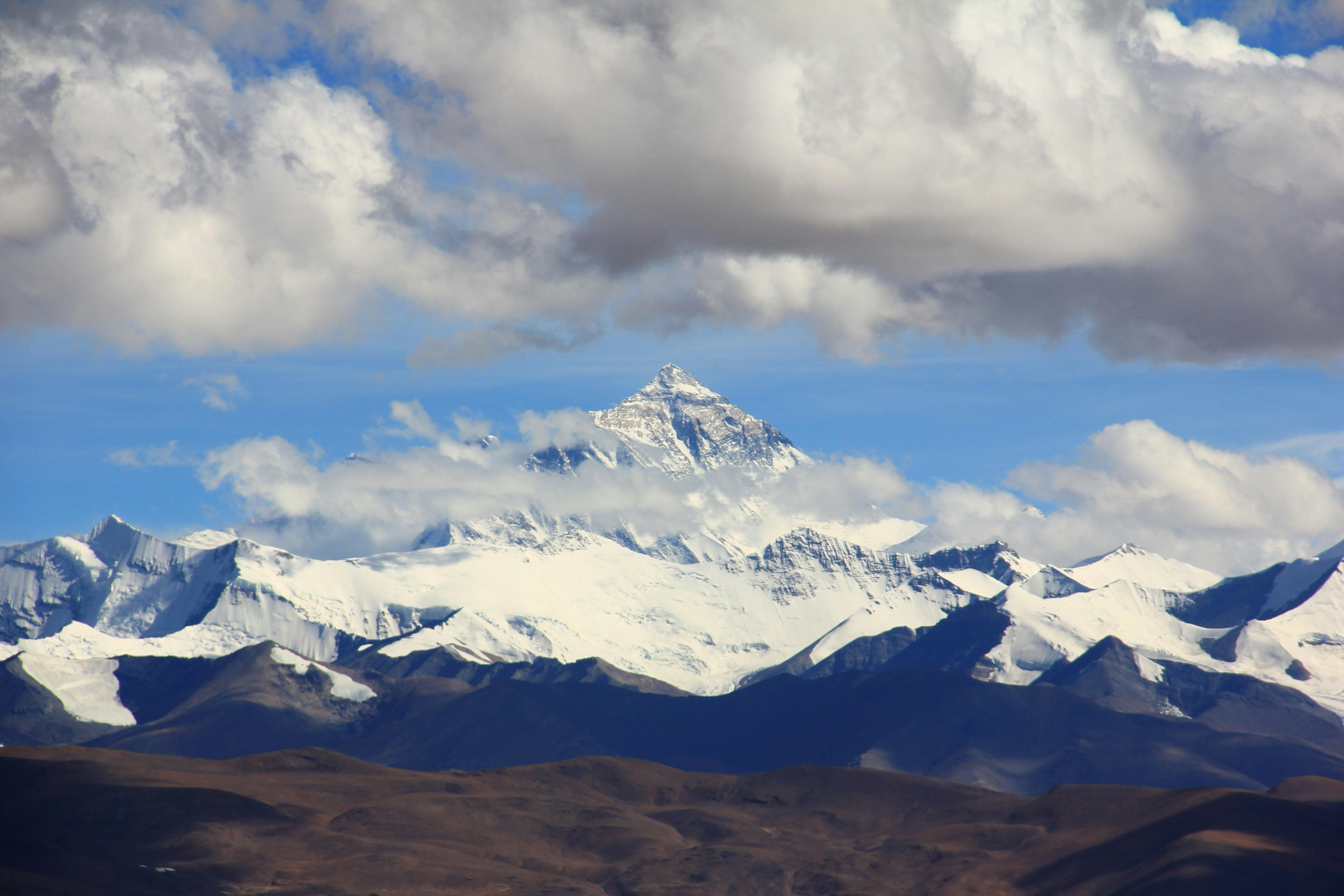
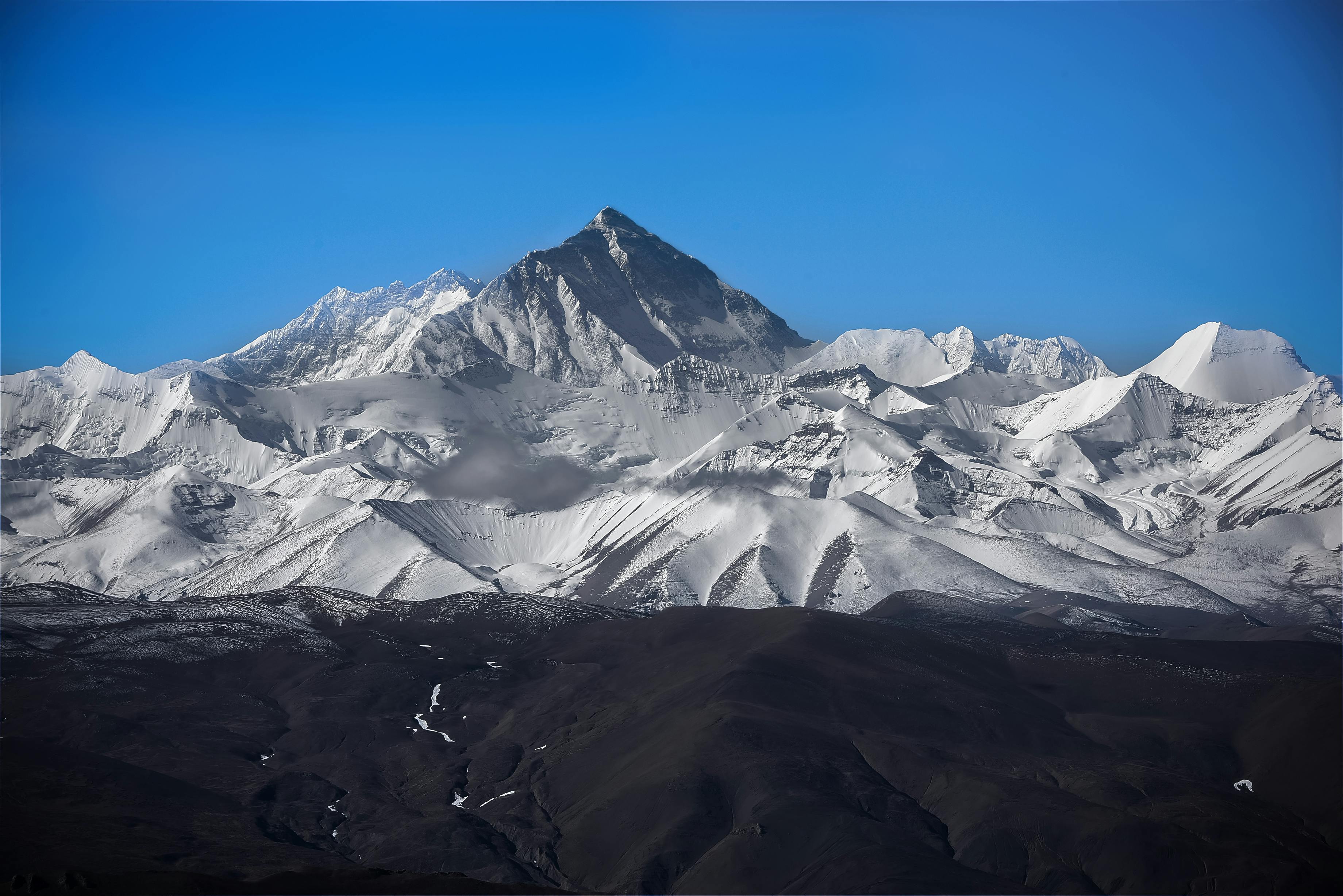
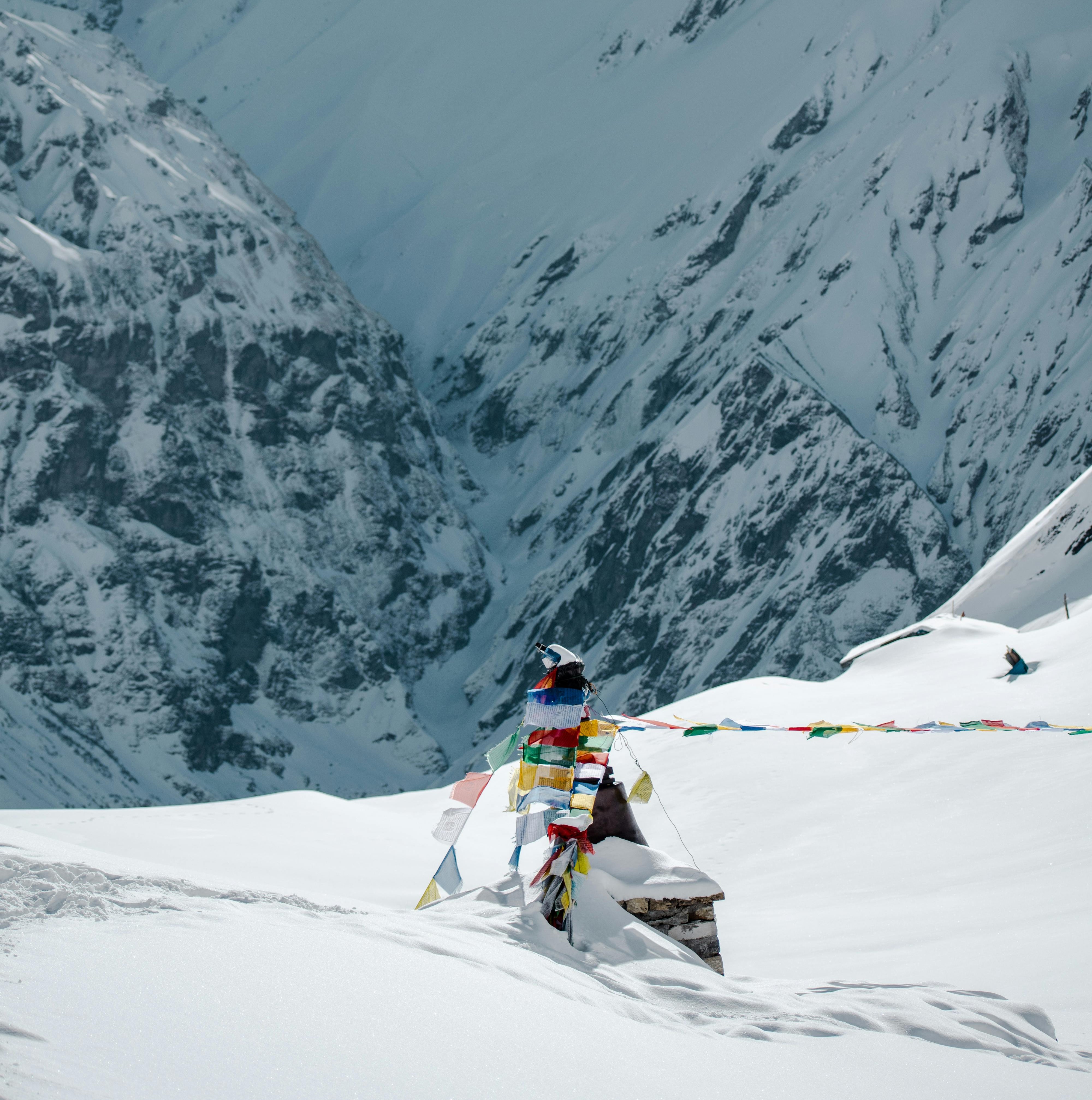
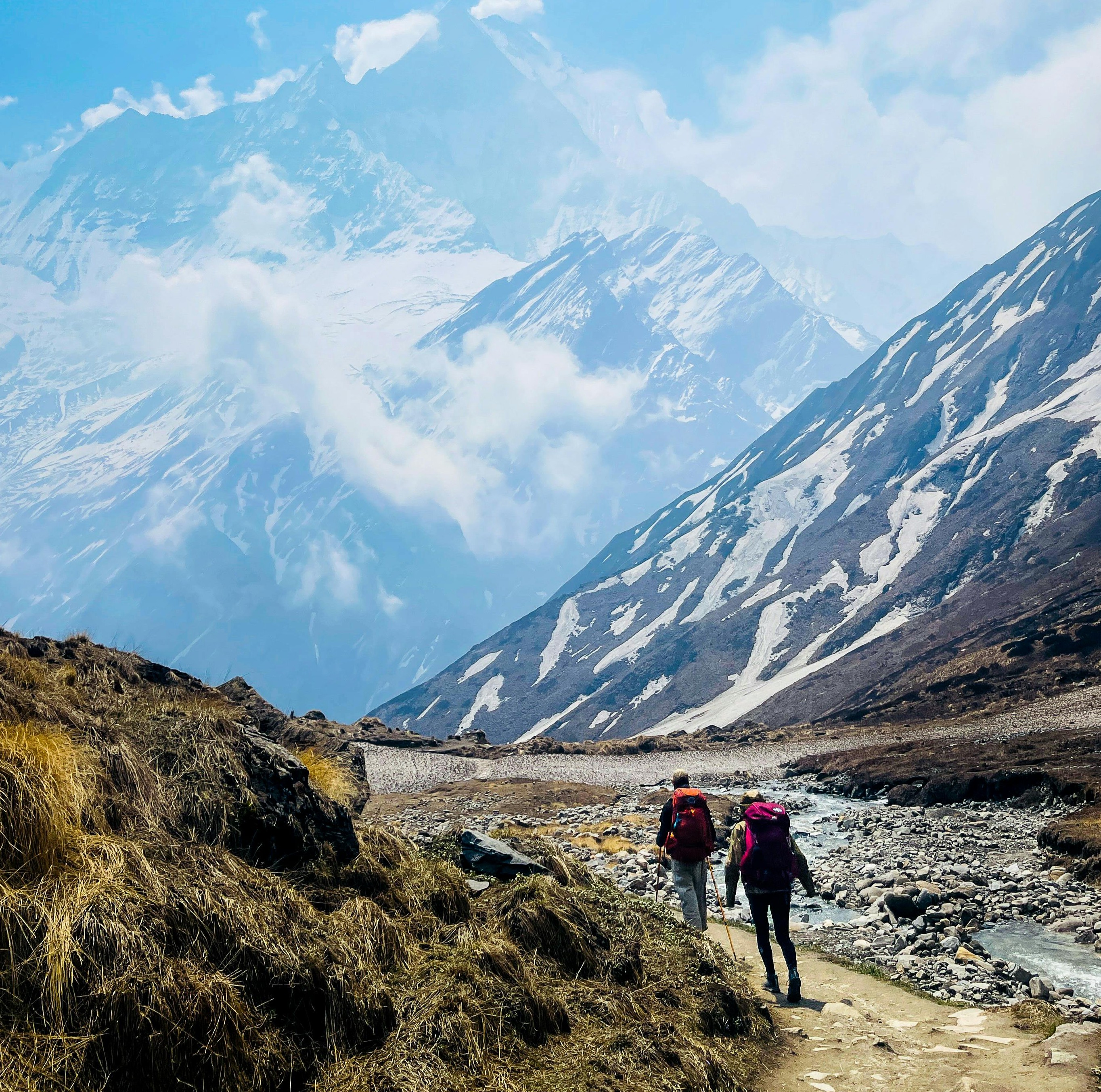
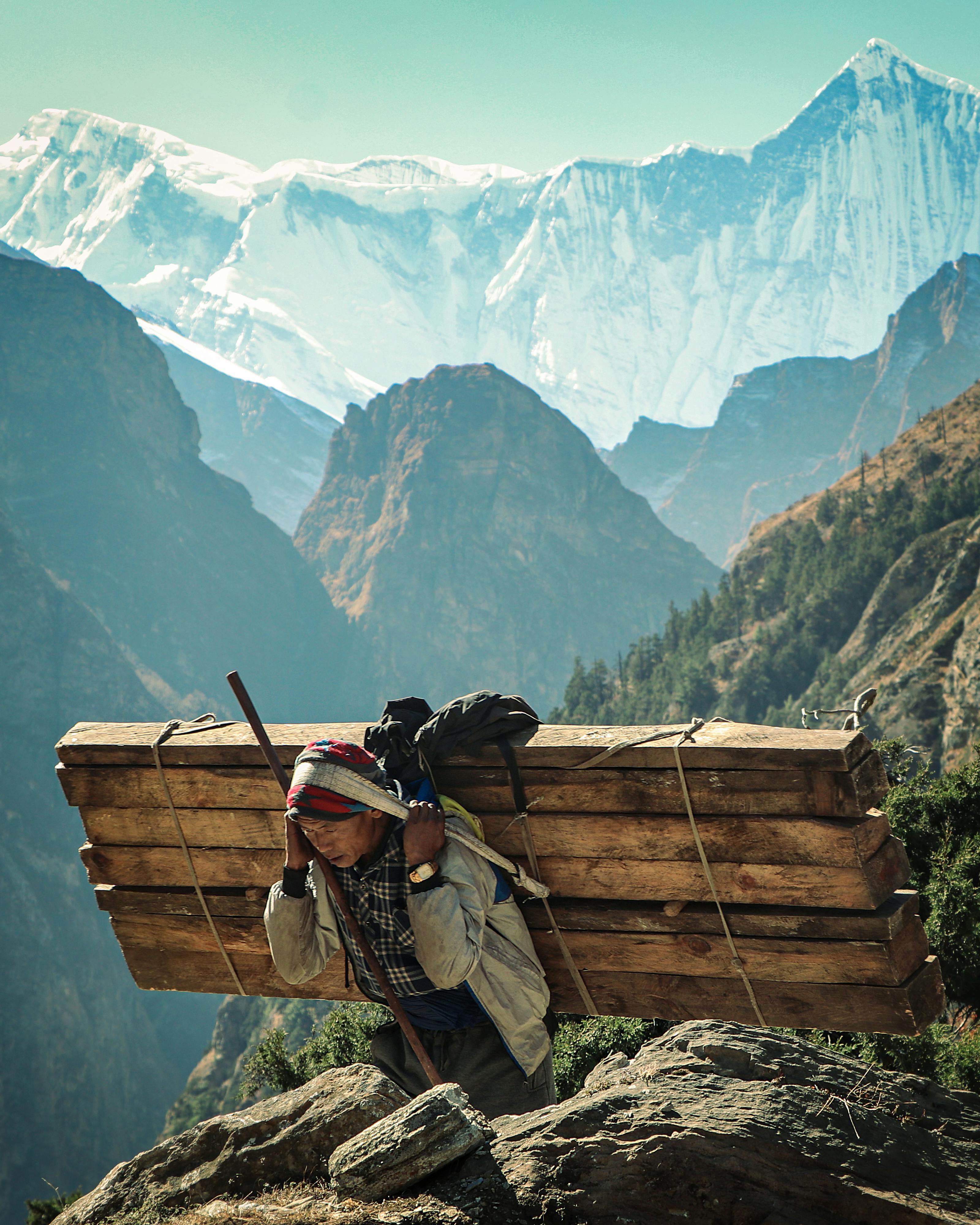
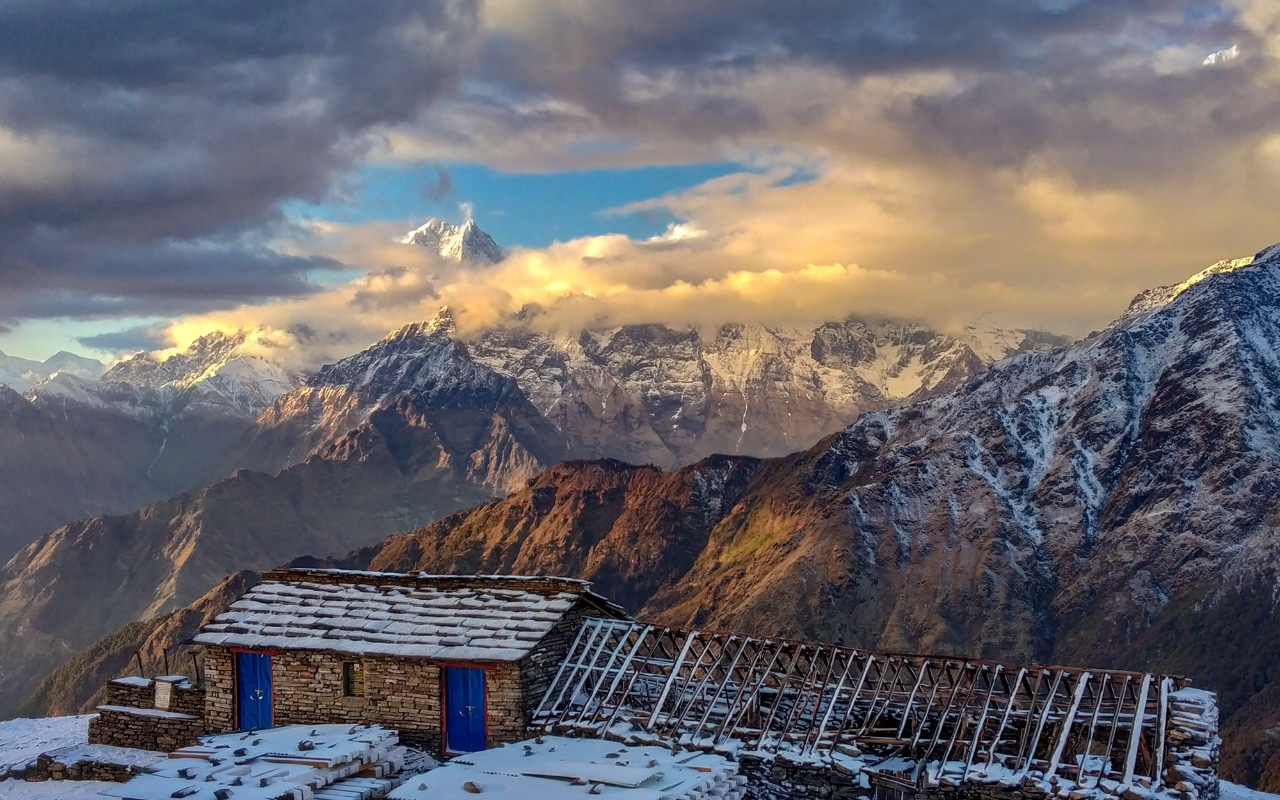
Standing at 5,364 metres above sea level, Everest Base Camp is not just a destination — it is a pilgrimage. Every year, thousands of adventurers from the US, UK, Germany, France, and across Europe fly into Kathmandu with one dream: to stand in the shadow of the world's highest peak and feel truly, magnificently small.
But here's the honest truth that most websites won't tell you: the Everest Base Camp trek in 2026 is more accessible than ever — if you plan it right. And that is exactly what this guide is for.
At Peaceful Himalaya Treks, our local guides have walked this route hundreds of times. We know every teahouse, every altitude gain, and every shortcut that turns a stressful trek into the journey of a lifetime. Whether you are a seasoned hiker or lacing up your boots for the first time, this is your definitive guide to the EBC trek.
What Is the Everest Base Camp Trek?
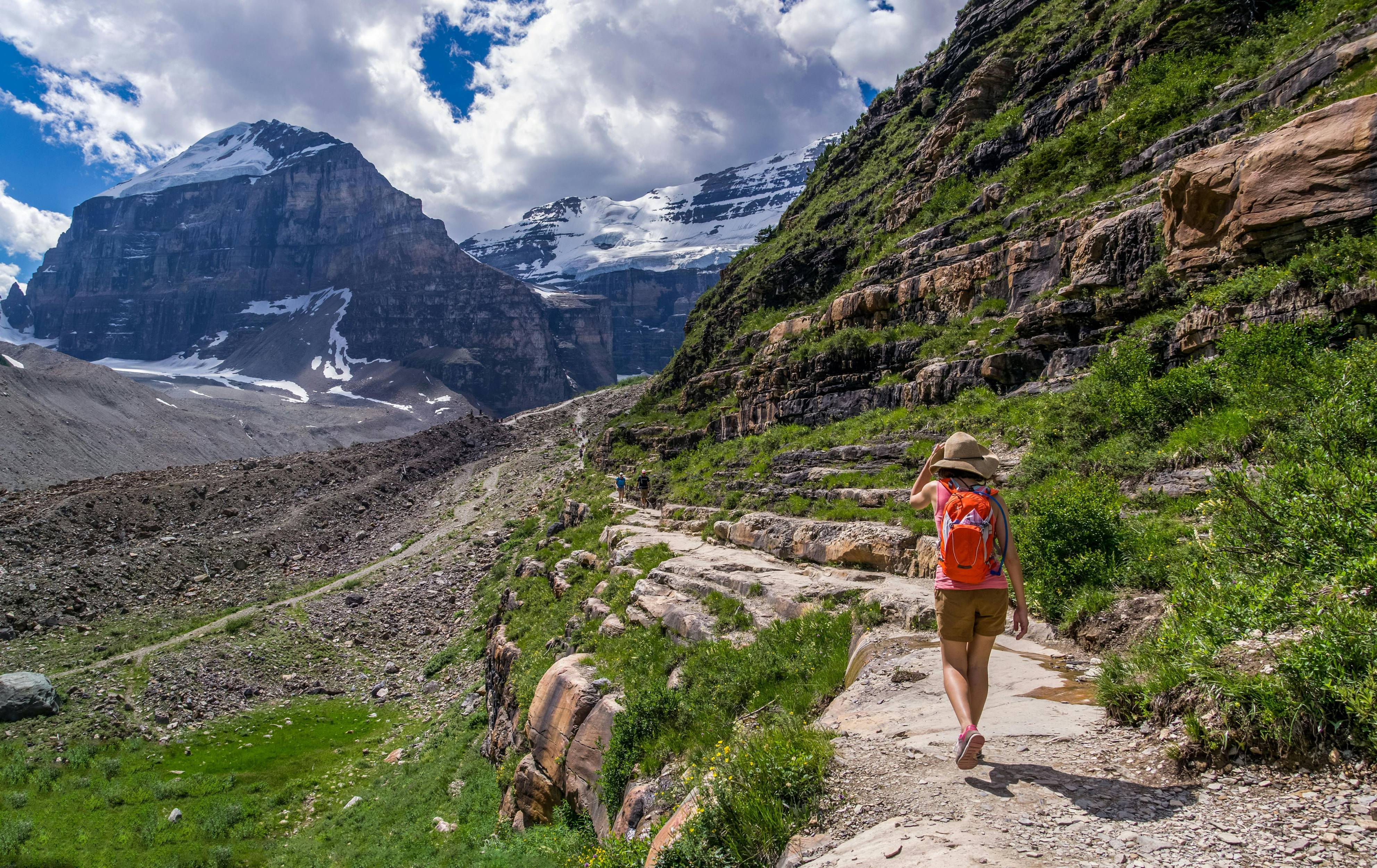
The Everest Base Camp trek is a 130–160 kilometre roundtrip trail through the Khumbu region of northeastern Nepal. It begins with a dramatic 35-minute mountain flight from Kathmandu to Lukla Airport and winds through Sherpa villages, Buddhist monasteries, and some of the most spectacular mountain scenery on Earth.
The classic EBC itinerary takes 12–14 days, though many experienced trekkers opt for a 16-day version to allow better acclimatisation and a side trip to Kala Patthar (5,545m) — the best viewpoint for Everest's summit.
Key Highlights Along the Route
-
Namche Bazaar – The bustling Sherpa capital at 3,440m, perfect for acclimatisation
-
Tengboche Monastery – A centuries-old Buddhist monastery with jaw-dropping mountain views
-
Dingboche & Lobuche – High-altitude villages where the air gets thin and the scenery gets wild
-
Khumbu Glacier – One of the world's largest glaciers, right at your feet
-
Everest Base Camp – Stand where legendary climbers begin their summit attempt
-
Kala Patthar – The sunrise view of Everest from here will reduce grown adults to tears
💡 Pro Tip: Many first-timers underestimate Kala Patthar. Add an extra rest day at Gorak Shep before attempting the climb — arriving at sunrise is a spiritual experience you will never forget.
The EBC trek is classified as a moderate-to-strenuous trek. You do not need technical mountaineering skills, but you do need a reasonable base level of fitness and mental resilience.
The biggest challenge is not the distance — it is the altitude. The trail tops out at over 5,500m, and altitude sickness (Acute Mountain Sickness, or AMS) is a real concern. At Peaceful Himalaya Treks, we follow strict acclimatisation protocols and carry supplemental oxygen and pulse oximeters on every trek.
Who Can Do the EBC Trek?
-
Age: Most trekkers are between 18–65, but we have guided guests aged 16 and 72
-
Fitness: You should be able to walk 5–7 hours a day on uneven terrain
-
Experience: No prior high-altitude experience is required
-
Pre-trek training: We recommend 8–12 weeks of cardio, hiking, and stair training
💡 Pro Tip: Train on hills, not flat ground. The EBC trail involves sustained climbs of 600–900m per day. Your knees and lungs will thank you later.
Nepal has two prime trekking windows, and choosing the right one makes a huge difference to your experience.
Spring (March – May) — Most Popular
Spring is the busiest and most popular season. Skies are clear, temperatures are mild, and rhododendrons bloom along the lower trails in a riot of pink and red. April is the sweet spot — you will share the trail with Everest summit teams, which adds a unique energy to the climb.
Autumn (September – November) — Equally Spectacular
Post-monsoon skies are crystal clear and the mountains look freshly washed. October is arguably the best month of all — visibility is outstanding, crowds are slightly thinner than spring, and temperatures are comfortable all the way to Base Camp.
Seasons to Avoid
-
Monsoon (June–August): Heavy rain, leeches on lower trails, poor visibility
-
Deep Winter (December–February): Extreme cold at altitude, some teahouses close
Transparency about costs is something we take seriously at Peaceful Himalaya Treks. Here is a realistic breakdown for international travellers.
Permits & Fees
-
Sagarmatha National Park Permit: USD 30
-
Khumbu Pasang Lhamu Rural Municipality Fee: NPR 2,000 (approx. USD 15)
-
TIMS Card (Trekkers' Information Management System): USD 20
Trek Package (Guided, 14 Days)
-
Budget: USD 900–1,200 (includes guide, teahouse accommodation, meals)
-
Mid-range: USD 1,400–1,800 (better teahouses, private rooms where available)
-
Premium: USD 2,200–3,000 (luxury lodges, hot showers, satellite phone)
International Flights & Visa
-
Return flight to Kathmandu: USD 600–1,200 depending on departure city
-
Nepal Tourist Visa: USD 30 (15 days) or USD 50 (30 days), available on arrival
Travel Insurance — Mandatory
This is non-negotiable. Your insurance must cover high-altitude trekking above 5,000m and helicopter evacuation (which can cost USD 5,000–8,000 without insurance). Popular policies include World Nomads and SafetyWing.
💡 Pro Tip: Book your Kathmandu–Lukla flight as early as possible. These tiny aircraft operate on visual flight rules only — weather cancellations are common, and rebooking on short notice is expensive.
Safety is our number one priority at Peaceful Himalaya Treks. Our guides are certified by the Nepal Mountaineering Association (NMA), trained in wilderness first aid, and carry full emergency equipment on every trek.
Altitude Sickness: Symptoms and Prevention
-
Symptoms: Headache, nausea, dizziness, fatigue, loss of appetite
-
Prevention: Ascend slowly (no more than 500m gain per day above 3,000m), hydrate well (3–4L of water daily), avoid alcohol
-
Treatment: If symptoms worsen, descend immediately — no summit is worth your life
Other Safety Essentials
-
Always trek with a licensed, registered guide — solo trekking in remote areas carries real risks
-
Register your trek with your country's embassy in Kathmandu
-
Carry a basic first aid kit, emergency medication (Diamox), and a portable charger
-
Inform your guide of any medical conditions before departure
Packing light but smart is the key. You will be carrying your daypack (or using a porter for the main pack) every day.
Essential Gear
-
Layering system: thermal base layer, fleece mid-layer, waterproof outer shell
-
Insulated down jacket (essential above Namche)
-
Trekking boots (broken in before the trip — never new boots on day 1)
-
Trekking poles (save your knees on descents)
-
Sleeping bag rated to -15°C
-
Headlamp with extra batteries
-
Sunscreen SPF 50+, sunglasses (UV protection), lip balm
-
Water purification tablets or a Steripen
💡 Pro Tip: You can rent most cold-weather gear in Kathmandu's Thamel district for a fraction of the purchase price. This is what most experienced trekkers do.
Your guide from Peaceful Himalaya Treks is not just a navigator — they are your safety officer, cultural interpreter, and motivator. Our Sherpa guides come from the Khumbu region itself. They grew up on these trails. They know when to push you and when to slow down.
Hiring a porter through a registered company like ours means your porter is paid a fair wage, carries a maximum of 25kg, and has proper insurance. We are proud members of the Trekking Agencies' Association of Nepal (TAAN).
Q: Do I need prior trekking experience for the Everest Base Camp trek?
A: No prior high-altitude experience is needed, but a good level of cardio fitness is essential. We recommend 8–12 weeks of pre-trek training including hiking, running, and stair climbing.
Q: Is altitude sickness guaranteed on the EBC trek?
A: Not at all — with proper acclimatisation, the majority of trekkers complete the route without serious AMS. Our guides follow strict 'climb high, sleep low' protocols and monitor every trekker daily.
Q: Can I do the EBC trek without a guide?
A: Technically yes, but we strongly advise against it. A local guide significantly reduces your risk of altitude sickness, route errors, and emergencies. Our guides also enrich your cultural experience enormously.
Q: What is the best age to do the EBC trek?
A: There is no upper age limit if you are in good health. Our youngest trekker was 14 and our oldest was 76. We tailor the pace and itinerary to each guest.
Q: How do I book the Everest Base Camp trek with Peaceful Himalaya Treks?
A: Visit Everest Base Camp Trek, choose your preferred dates, and our team will prepare a personalised itinerary within 24 hours. We handle all permits and logistics.