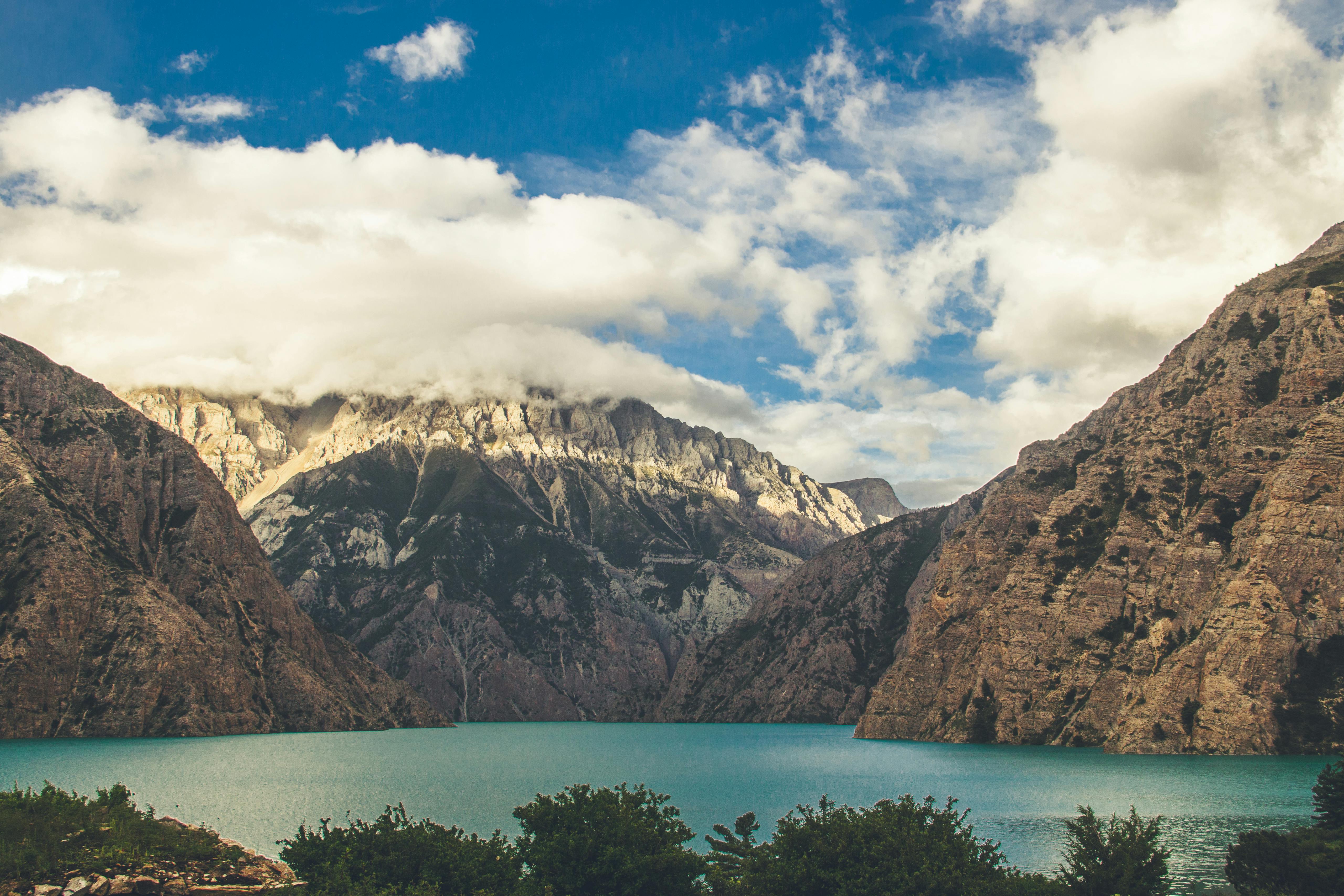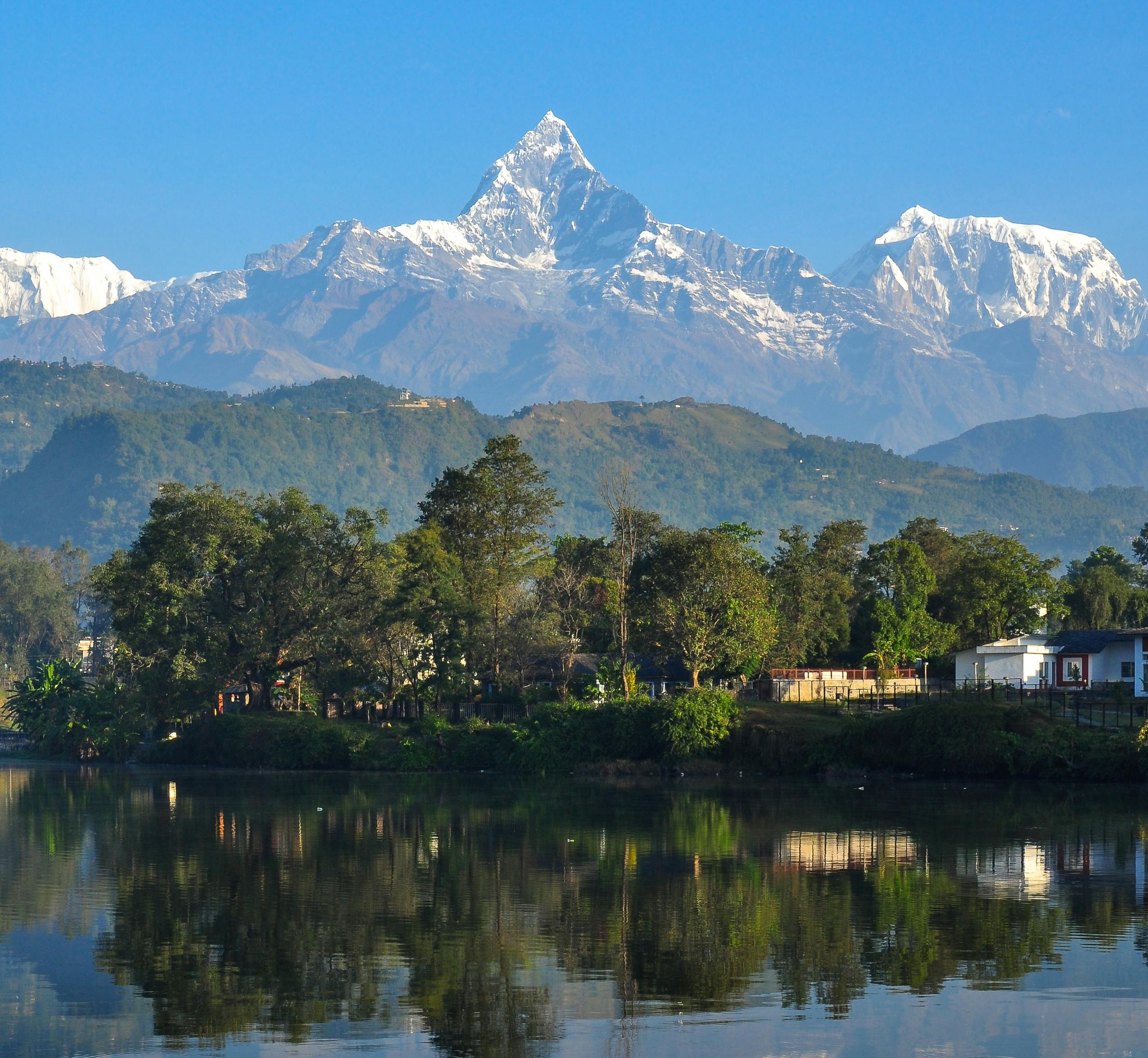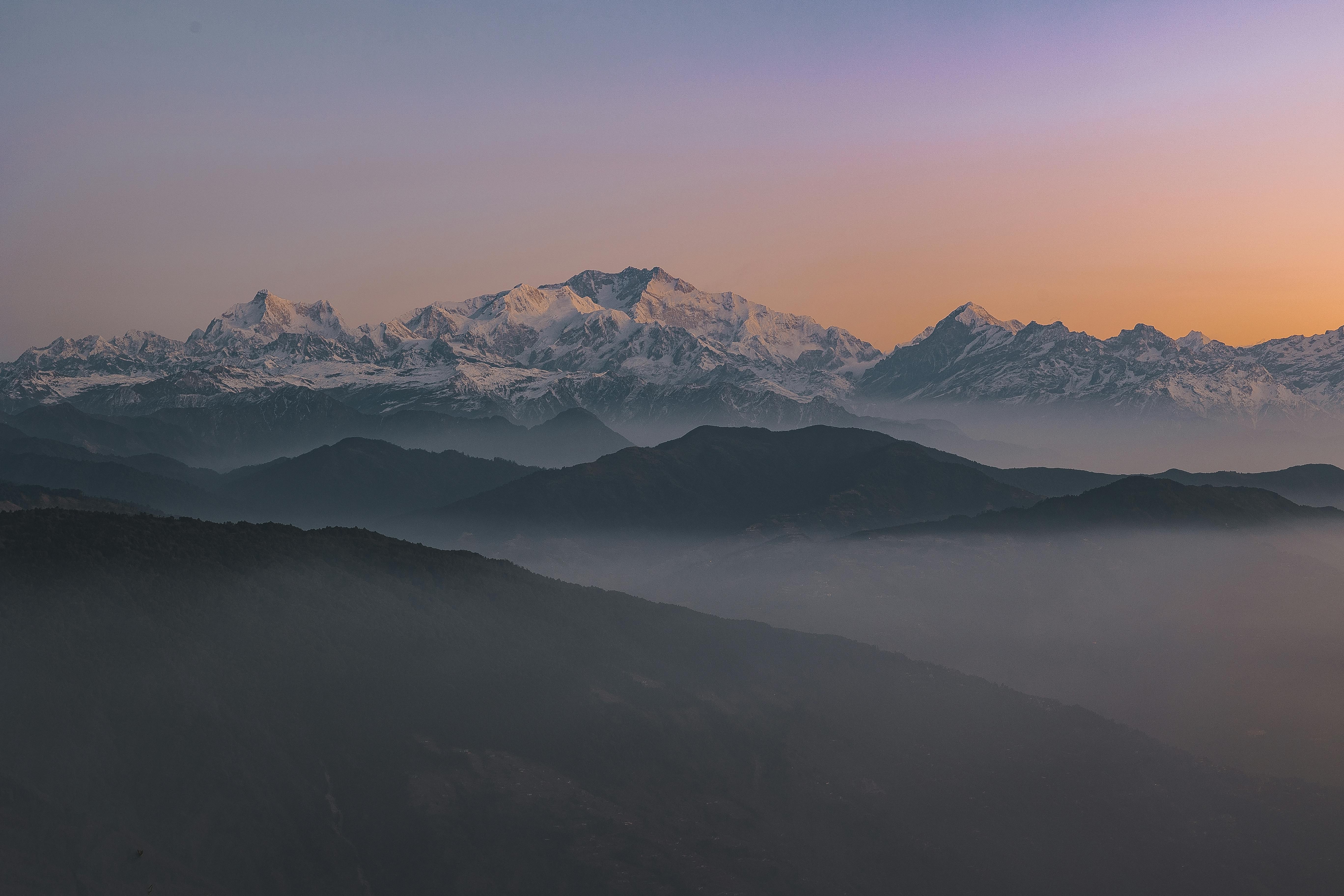
The Kanchenjunga Base Camp Trek with Peaceful Treks is a remote and exhilarating Himalayan adventure in eastern Nepal, offering trekkers spectacular views of Kanchenjunga (8,586m), the world’s third-highest peak, along with surrounding giants like Kumbhakarna, Pandim, and Jannu. Known for its isolated trails, rich biodiversity, and vibrant Sherpa and Limbu cultures, this trek takes you through dense forests, alpine meadows, traditional villages, and glacial valleys.
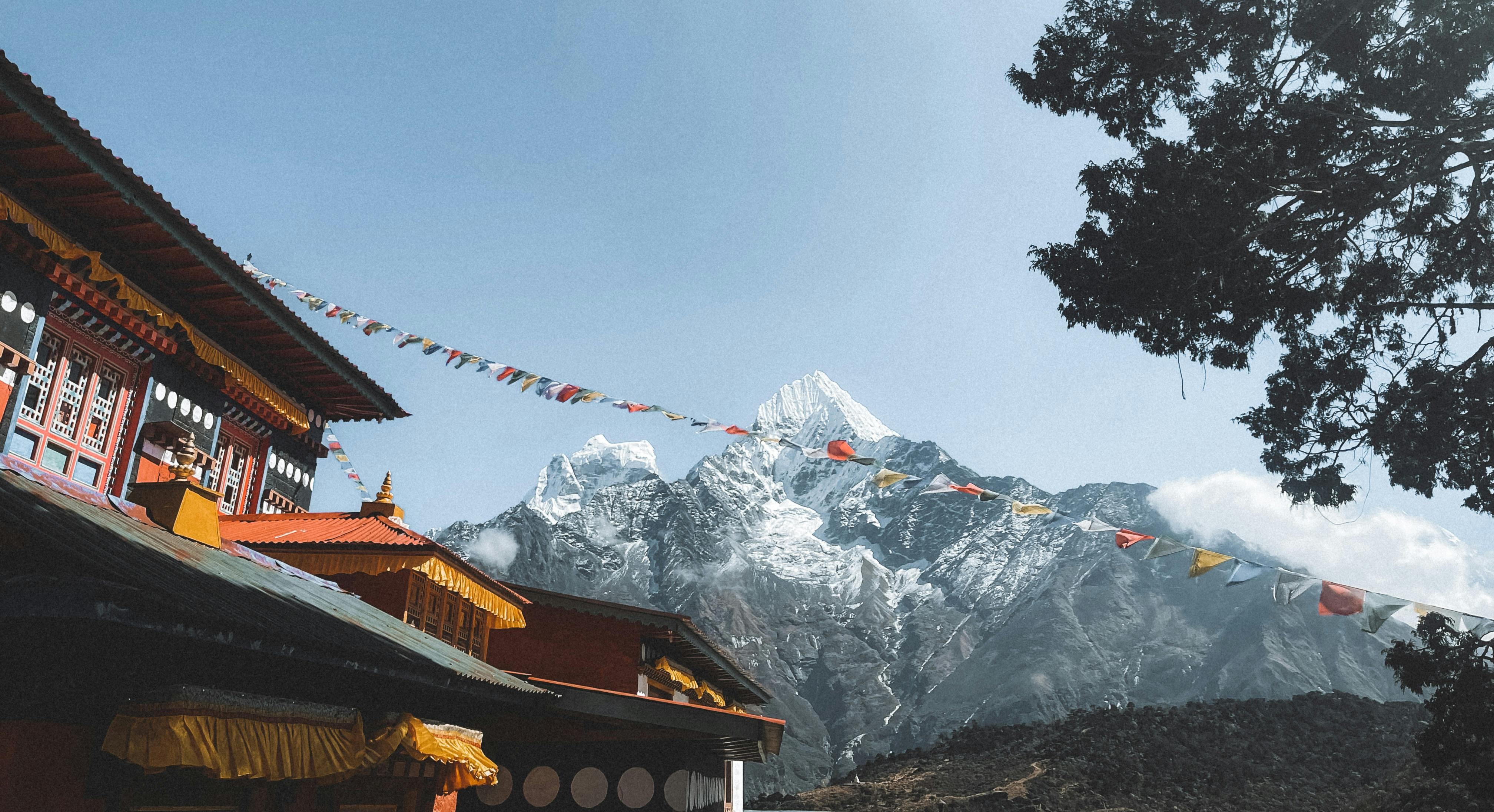
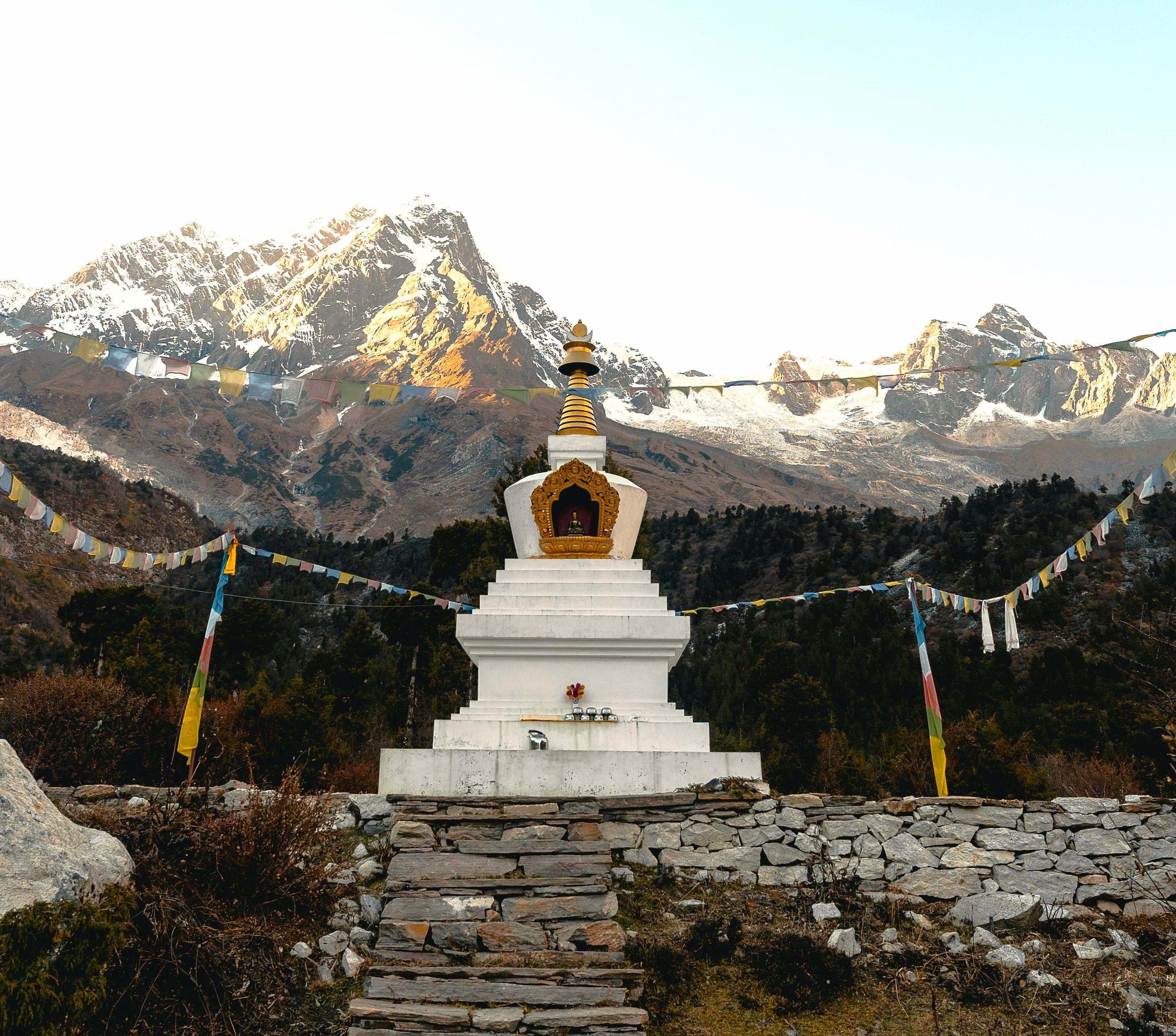
The trail features prayer flags, monasteries, mani stones, and chortens, reflecting centuries-old Buddhist traditions. Trekkers pass through untouched regions of the Kanchenjunga Conservation Area, enjoying the solitude of off-the-beaten-path trekking while observing rare flora and fauna, including red pandas, snow leopards, and Himalayan blue sheep. The trek culminates at the base camp of Kanchenjunga, surrounded by dramatic glaciers and snow-capped peaks.
With well-planned acclimatization days, experienced local guides, porter support, and teahouse accommodations, the Kanchenjunga Base Camp Trek is suitable for physically fit trekkers seeking a challenging, high-altitude, and remote Himalayan adventure. The best trekking seasons are spring (March–May) and autumn (September–November), when skies are clear, the trails are accessible, and mountain views are at their best. Peaceful Treks offers expertly managed trekking packages and customized travel options for a safe and unforgettable journey.
Key Highlights – Kanchenjunga Base Camp Trek
-
Trek to Kanchenjunga Base Camp, the foot of the world’s third-highest peak
-
Spectacular views of Kanchenjunga, Kumbhakarna, Pandim, and Jannu
-
Explore remote Sherpa and Limbu villages, experiencing authentic Himalayan culture
-
Trek through dense rhododendron and oak forests, alpine meadows, glacial rivers, and valleys
-
Encounter prayer flags, monasteries, mani stones, and chortens, reflecting local spirituality
-
Trek in a less-crowded, off-the-beaten-path region for solitude and adventure
-
Planned acclimatization days for high-altitude safety
-
Stay in teahouse accommodations along the route
-
Best trekking seasons are spring (March–May) and autumn (September–November)
-
Ideal for adventurous trekkers seeking a remote Himalayan expedition