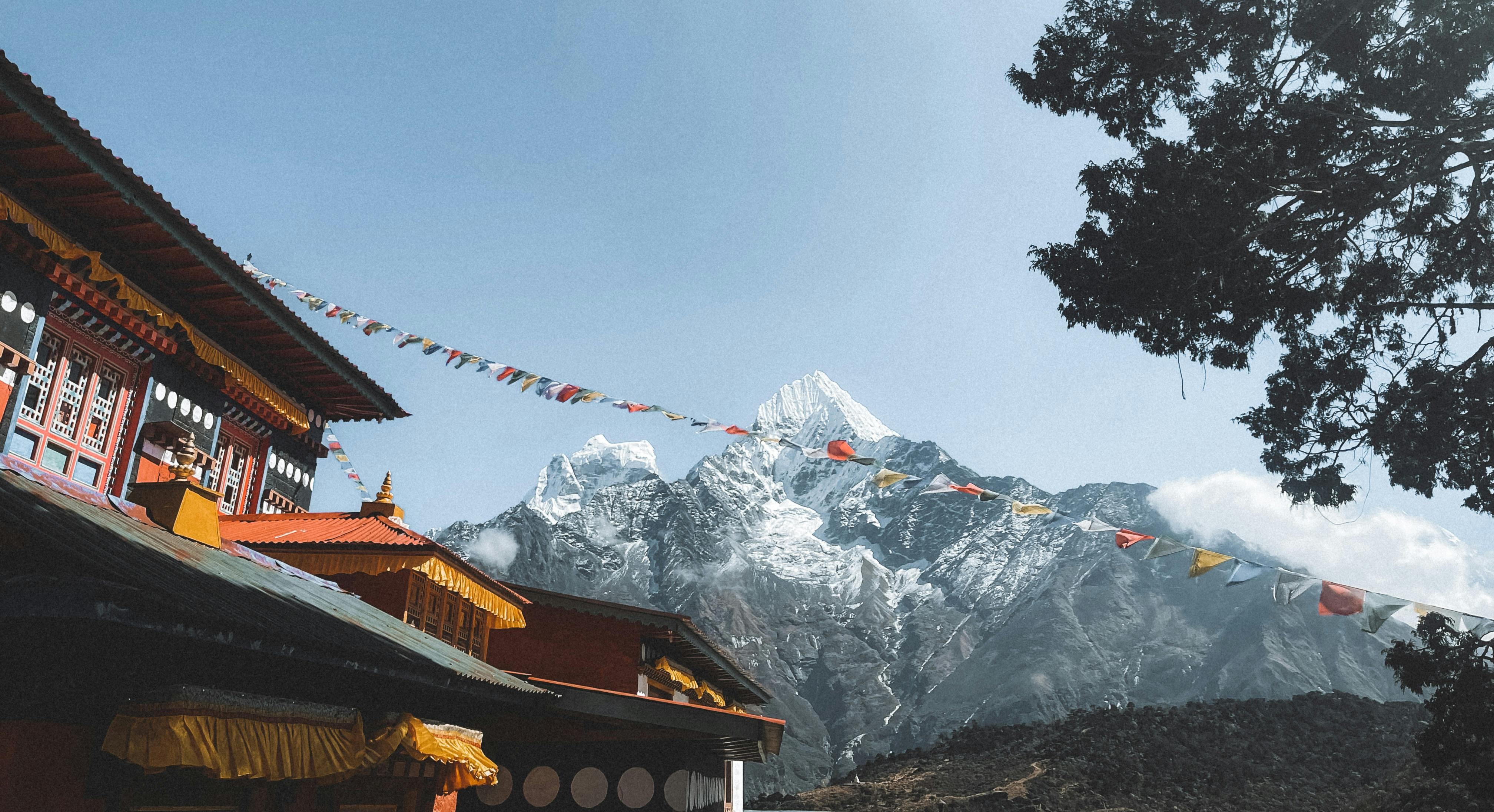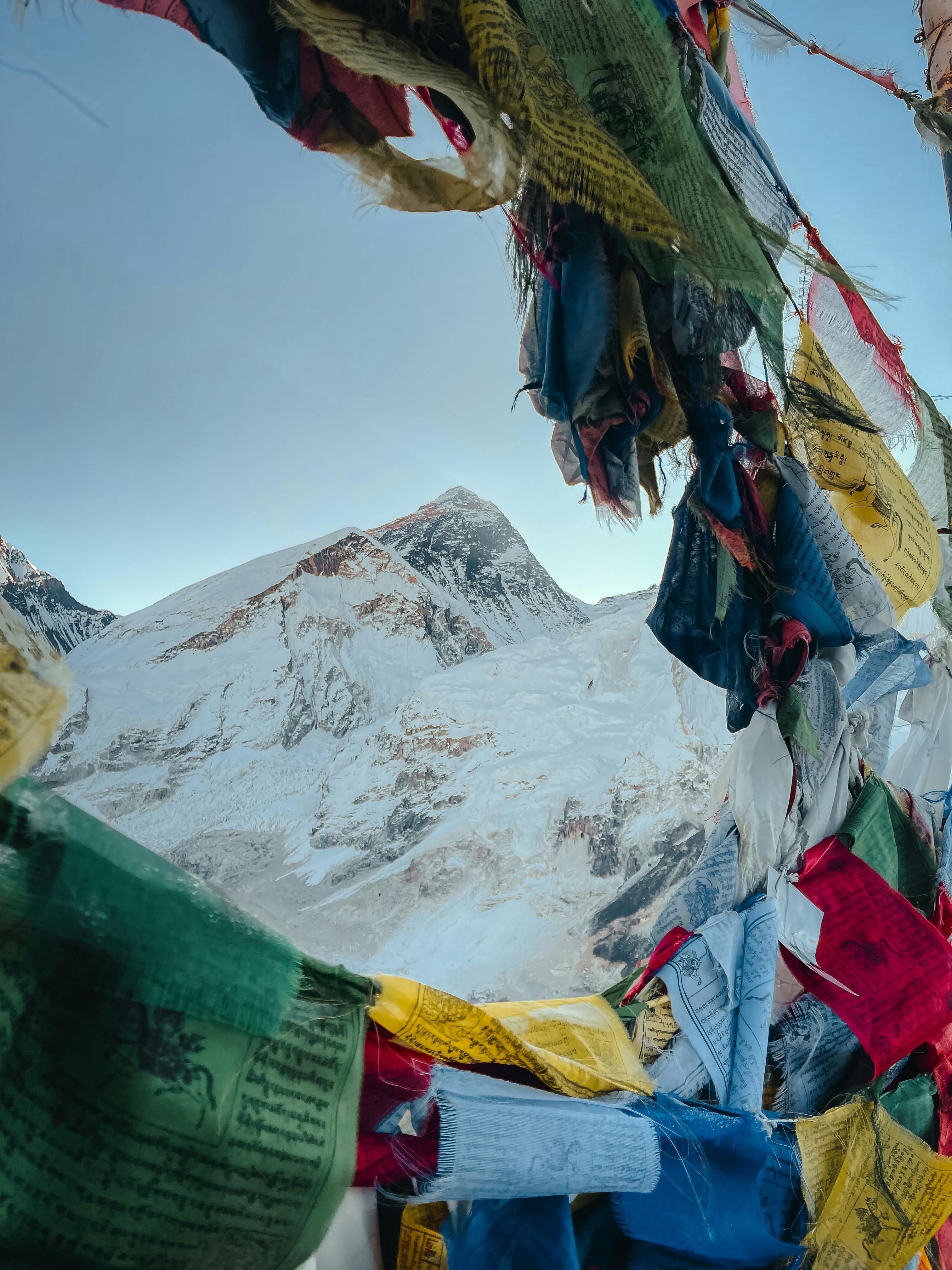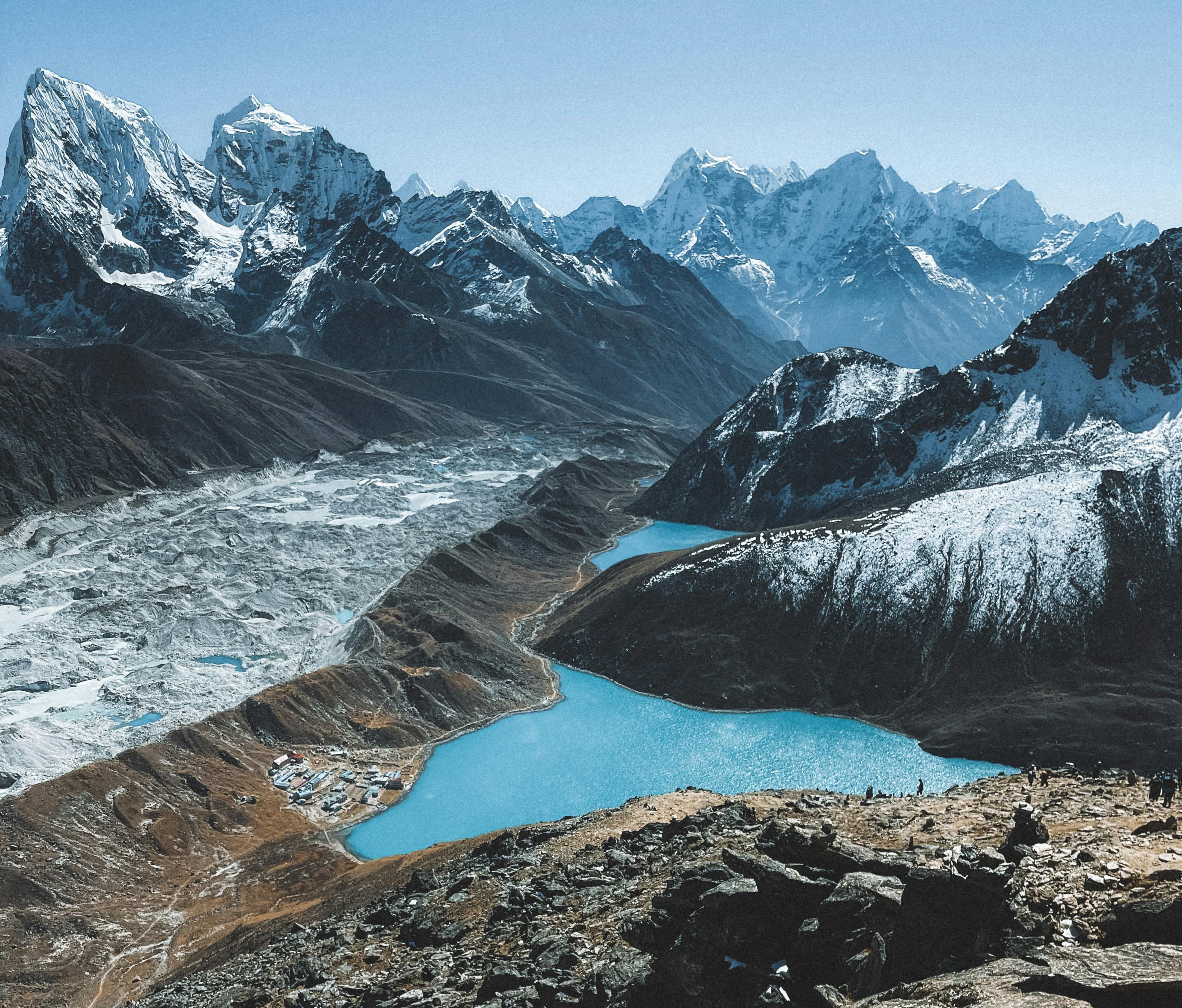
The Jiri to Everest Base Camp Trek provided by Peaceful Treks offers a longer and more genuine expedition into the Himalayas, following the historical path to Everest that predates the establishment of the Lukla airport. This trek leads you through Nepal's Khumbu region, traversing isolated Sherpa communities, terraced farms, lush forests, and picturesque glacial valleys. Throughout the trek, participants can appreciate the tranquility of high-altitude scenery, traditional Sherpa lifestyles, and rich Buddhist traditions, which include prayer flags, prayer wheels, and intricately carved Mani stones.
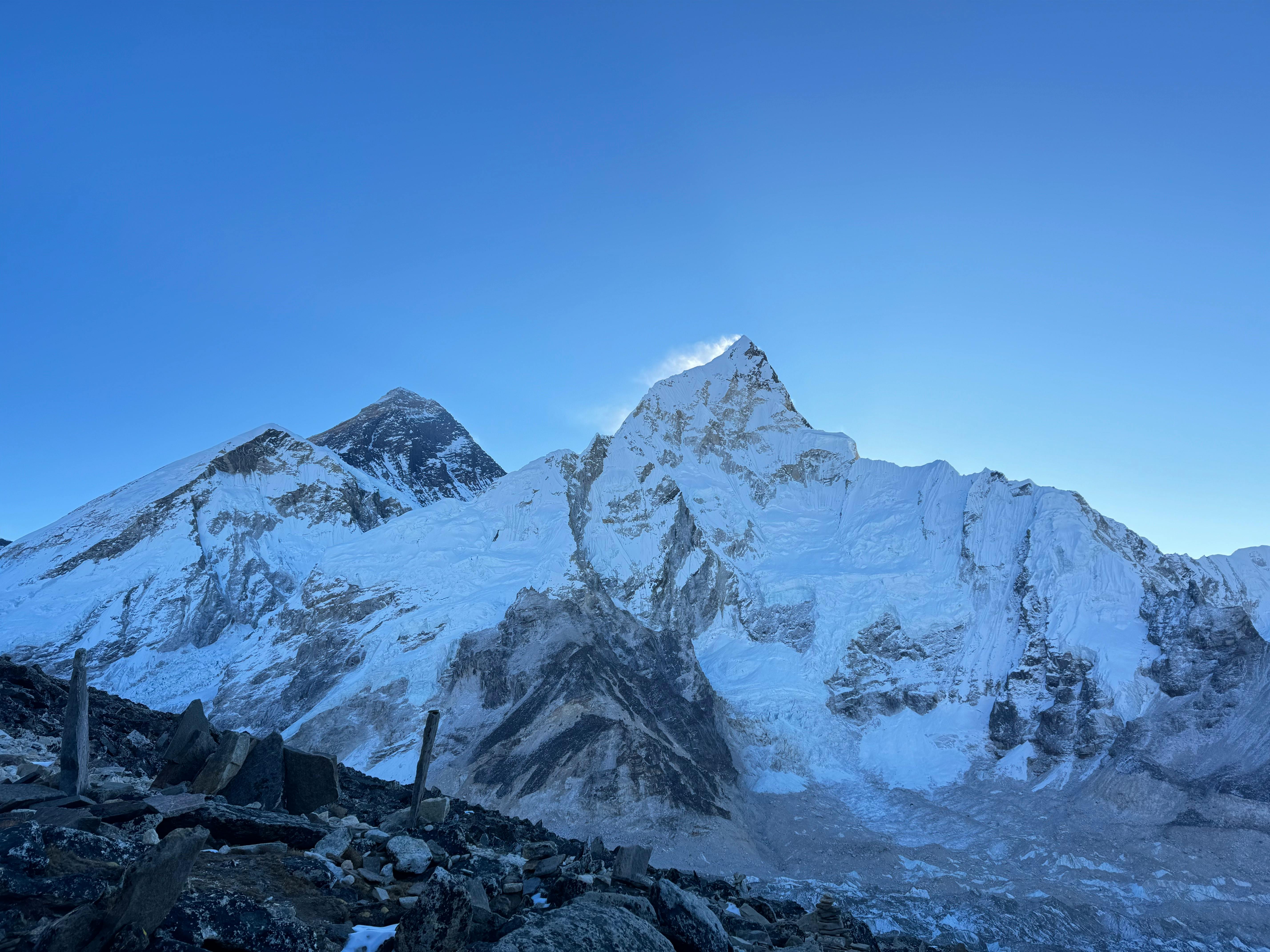
The path showcases breathtaking vistas of the Himalayas, featuring Mount Everest, Lhotse, Nuptse, Ama Dablam, and adjacent summits, while providing a deeper experience with fewer tourists than the Lukla route. With a carefully planned itinerary that includes acclimatization days, knowledgeable local guides, and support from porters, and comfortable teahouse accommodations, this trek is suitable for physically fit beginners as well as experienced trekkers. The best seasons for this adventure are spring (March–May) and autumn (September–November), when skies are clear, temperatures are mild, and the mountain scenery is at its most spectacular.
Ideal for those seeking a deep Himalayan adventure, the Jiri to Everest Base Camp Trek with Peaceful Treks combines authentic trekking experiences, cultural immersion, and expertly managed trekking packages and customized travel packages in Nepal.
Key Highlights – Jiri to Everest Base Camp Trek
-
Begin trekking from Jiri, the traditional gateway to Everest, and experience the authentic pre-Lukla route
-
Explore remote Sherpa villages, local markets, and traditional monasteries along the trail
-
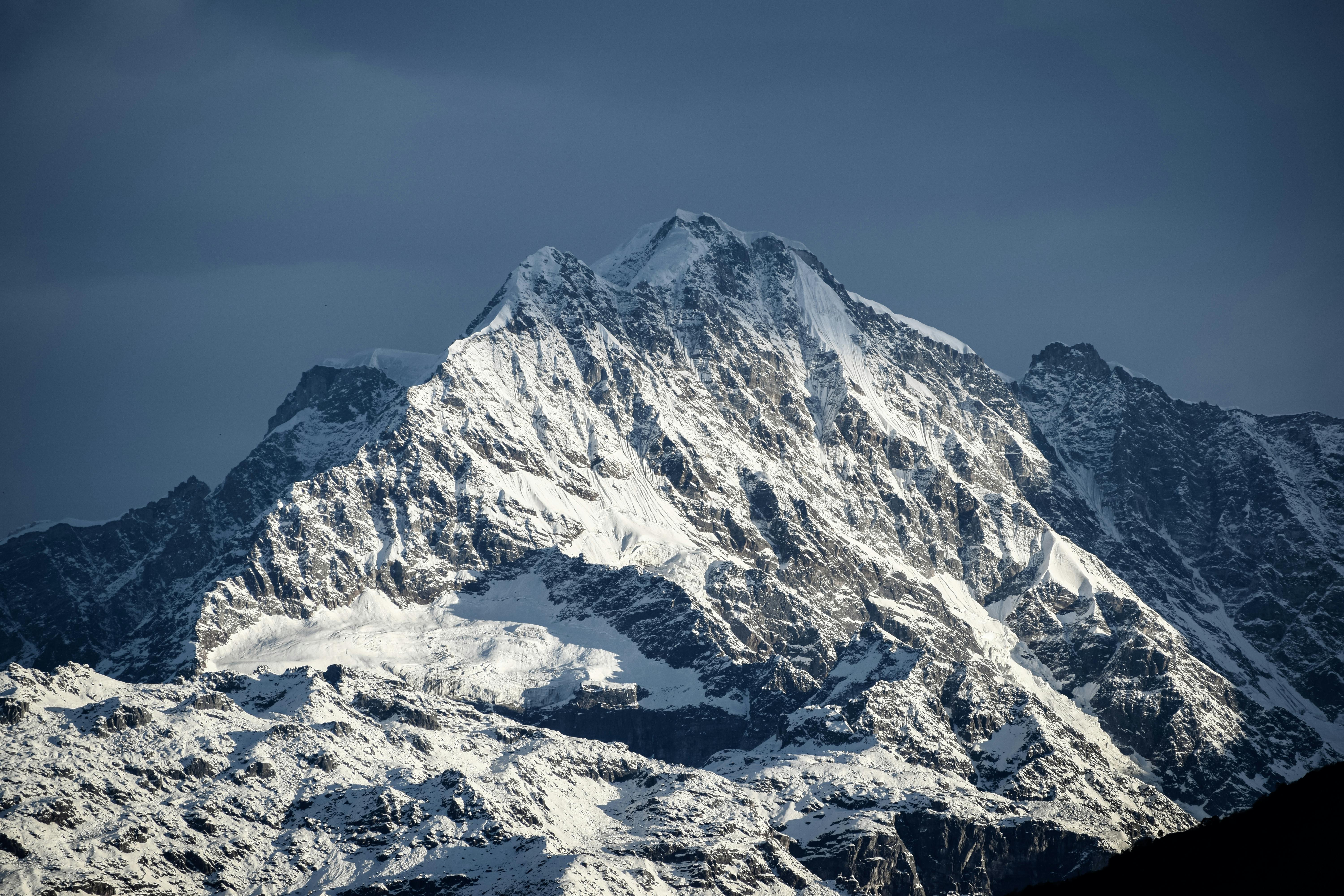
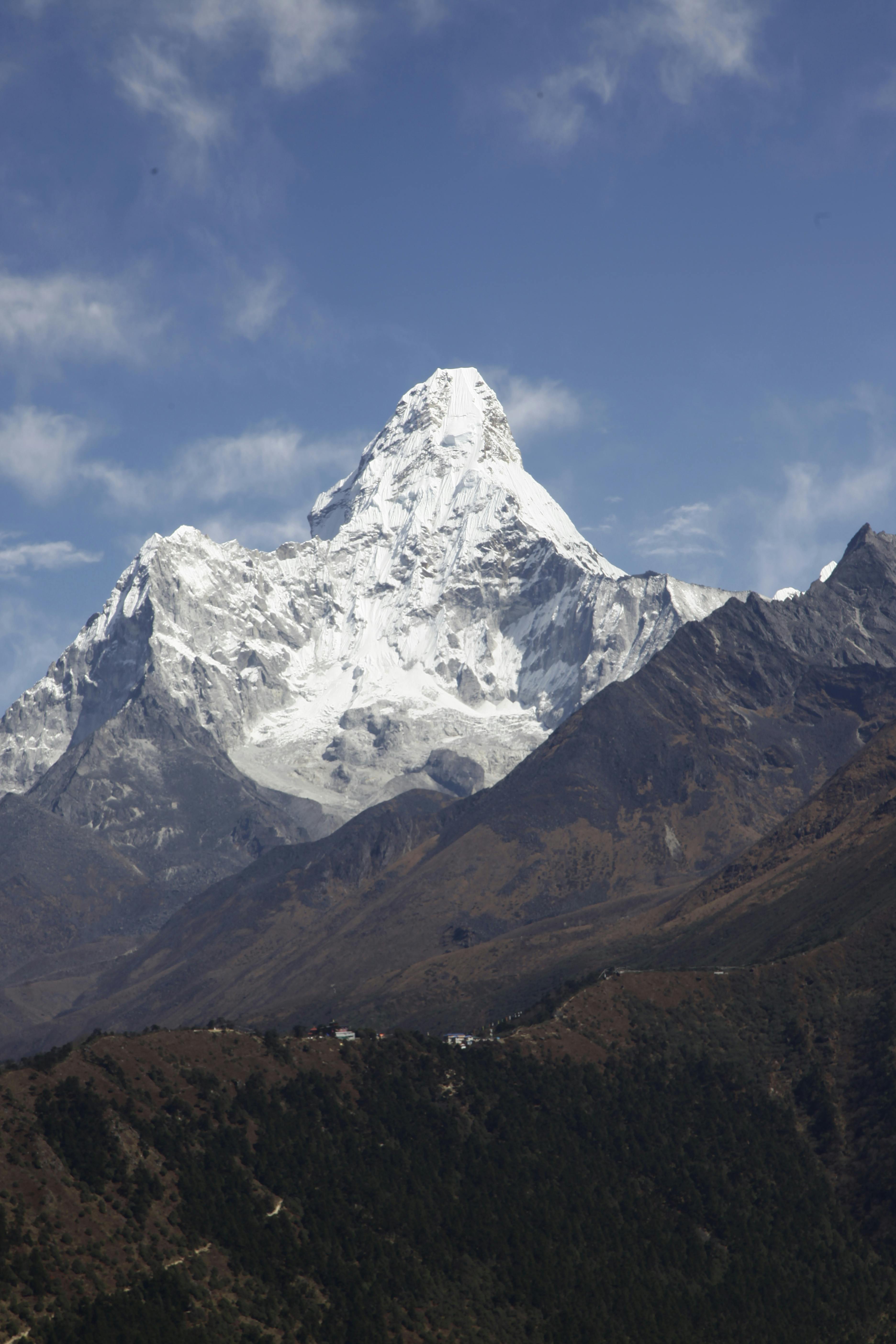
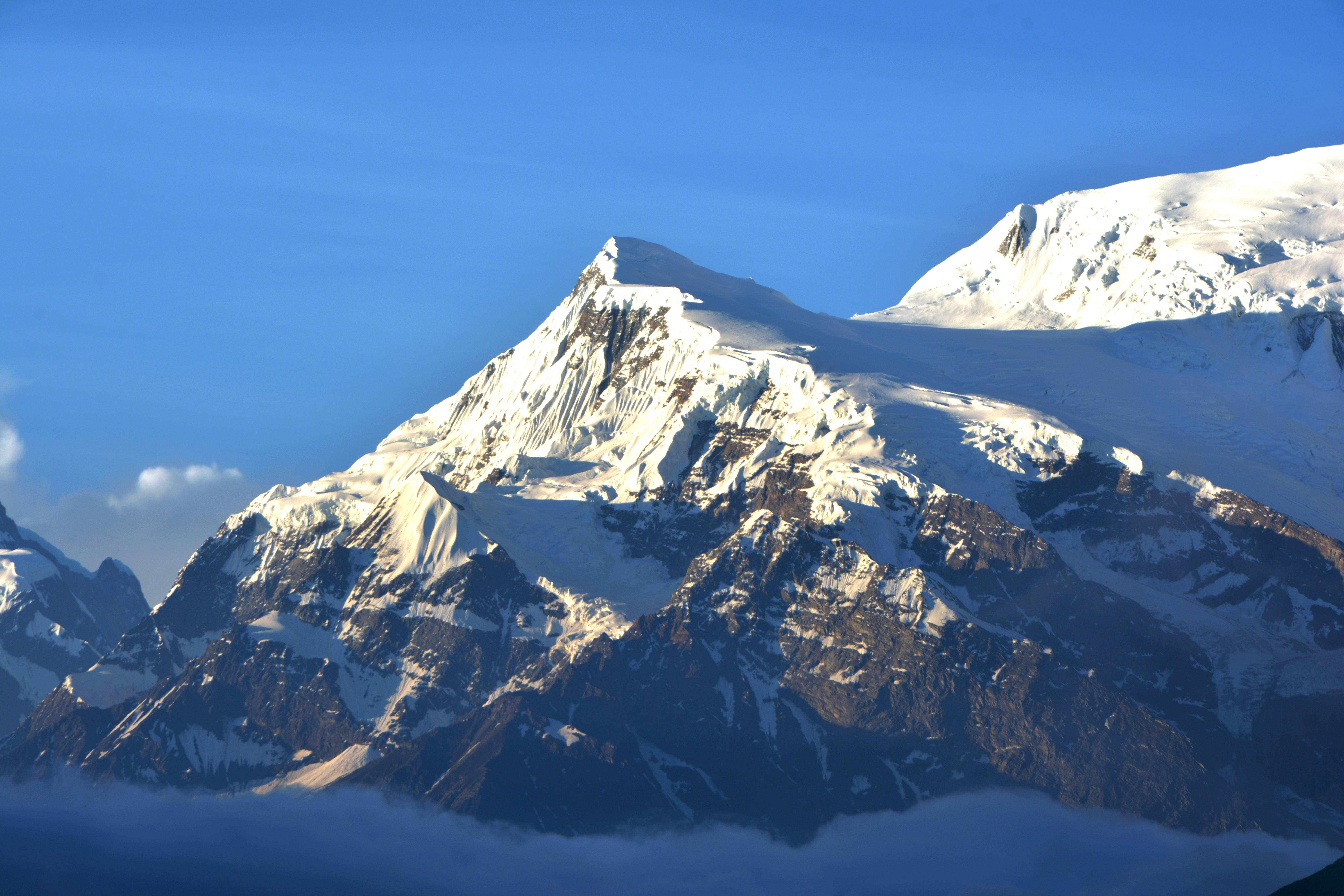
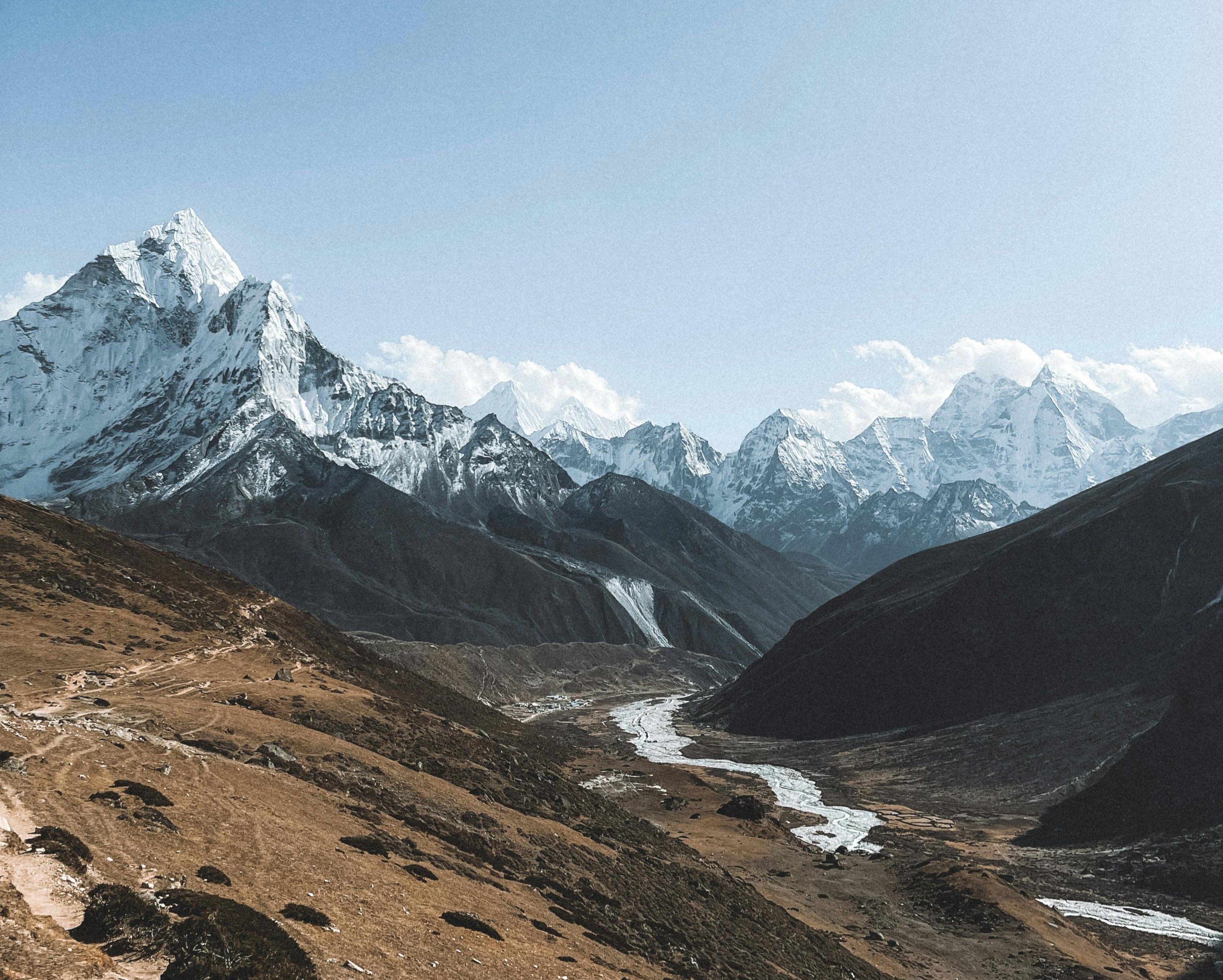
Witness panoramic views of Mount Everest, Lhotse, Nuptse, Ama Dablam, and other Himalayan giants
-
Trek through Sagarmatha National Park, a UNESCO World Heritage Site rich in biodiversity
-
Walk through dense forests of rhododendron, pine, juniper, and fir
-
Experience the peaceful glacial valleys, rivers, and suspension bridges along the route
-
Planned acclimatization days for safe and comfortable high-altitude trekking
-
Stay in teahouse accommodations throughout the journey
-
Enjoy a longer, less crowded trail offering a more immersive Everest experience
- Best trekking seasons are spring (March–May) and autumn (September–November)