Overview

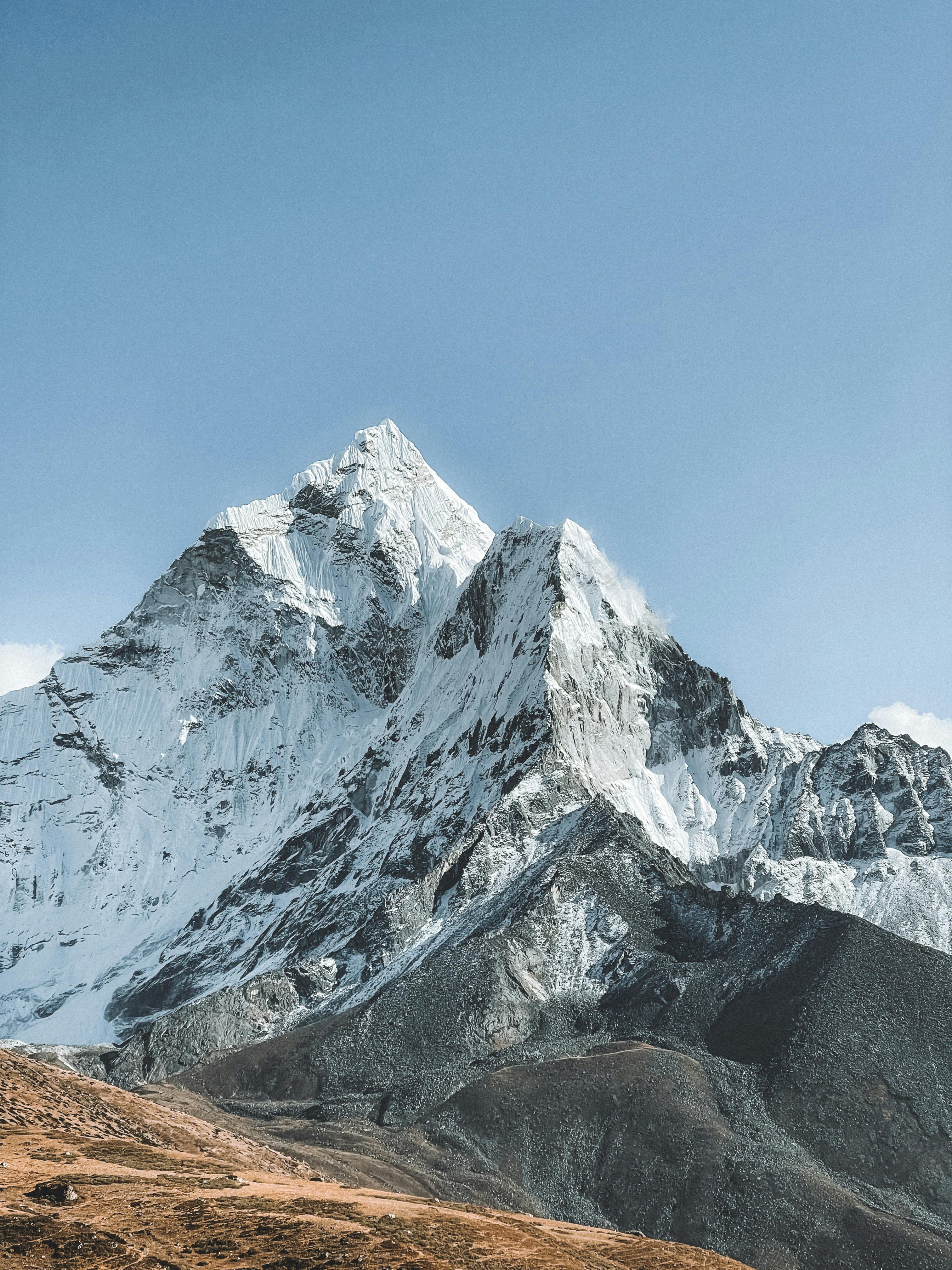
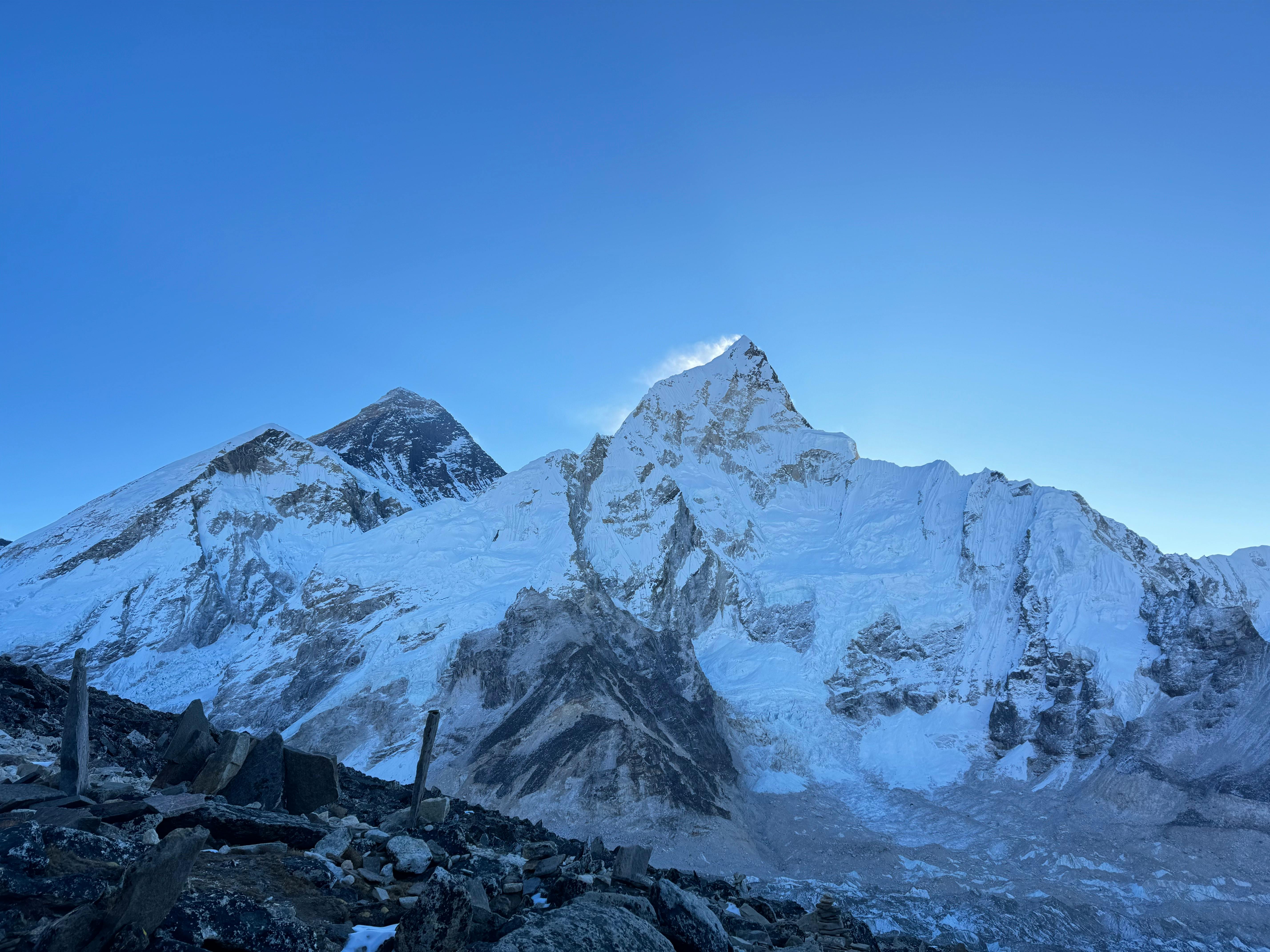
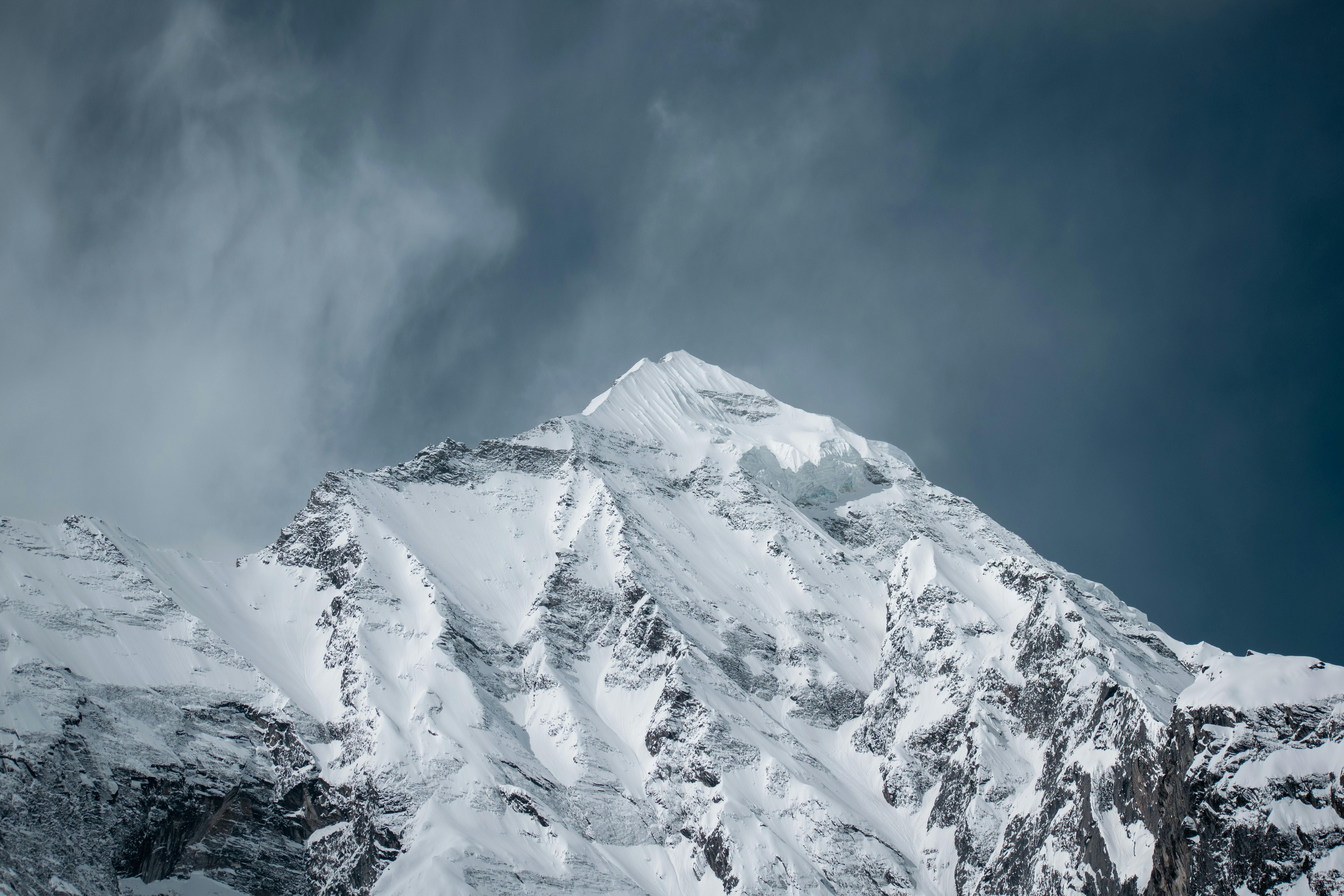
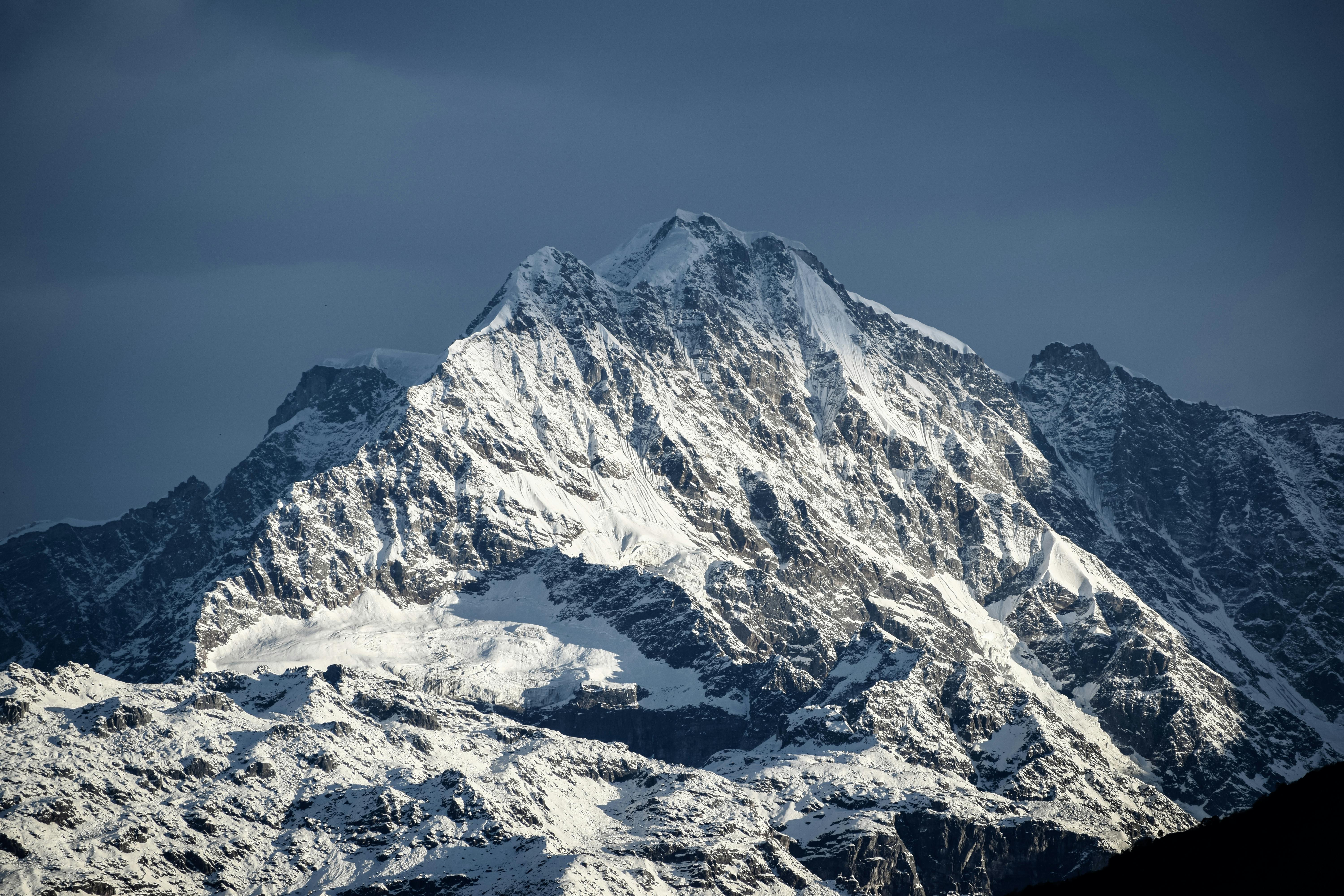
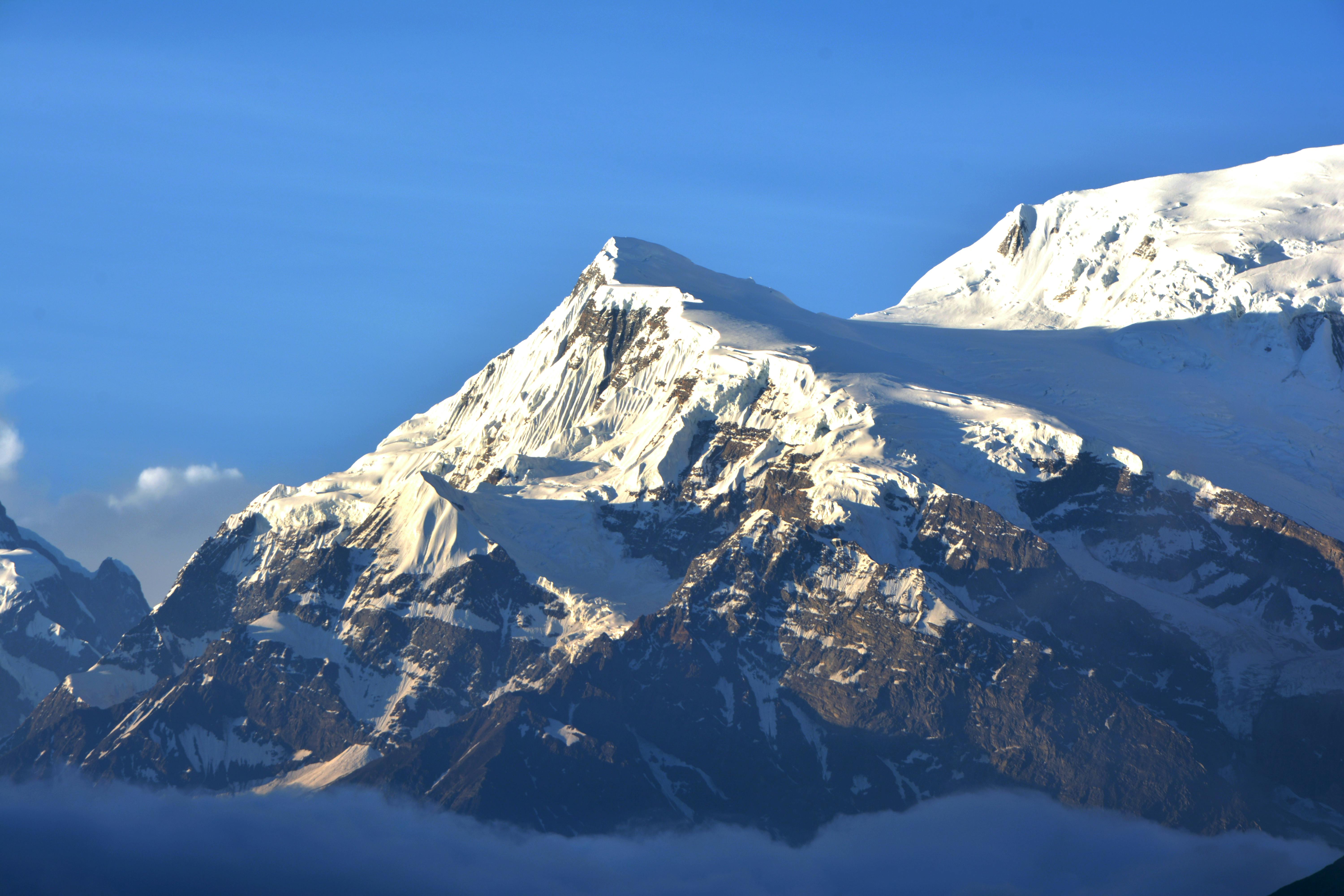
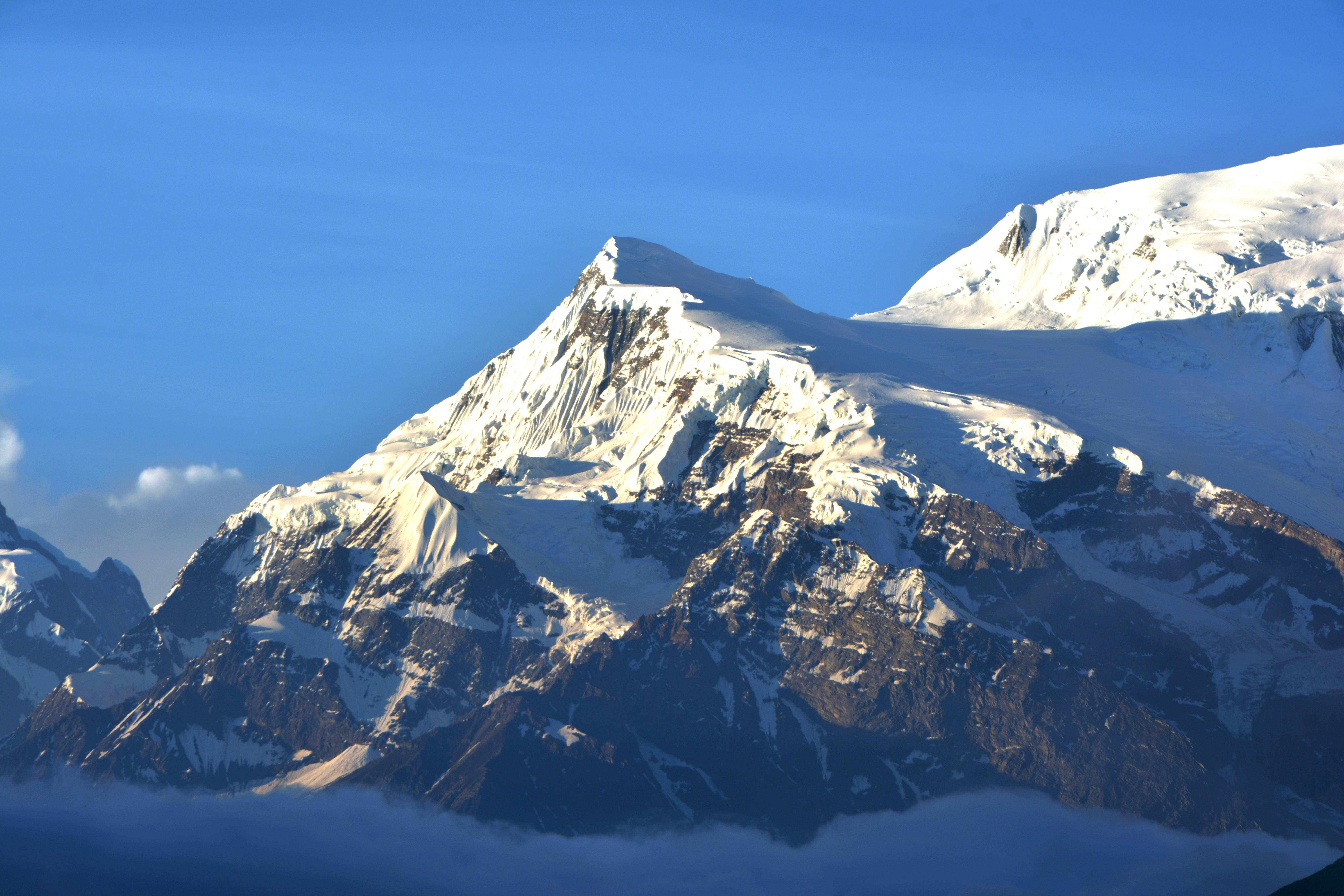
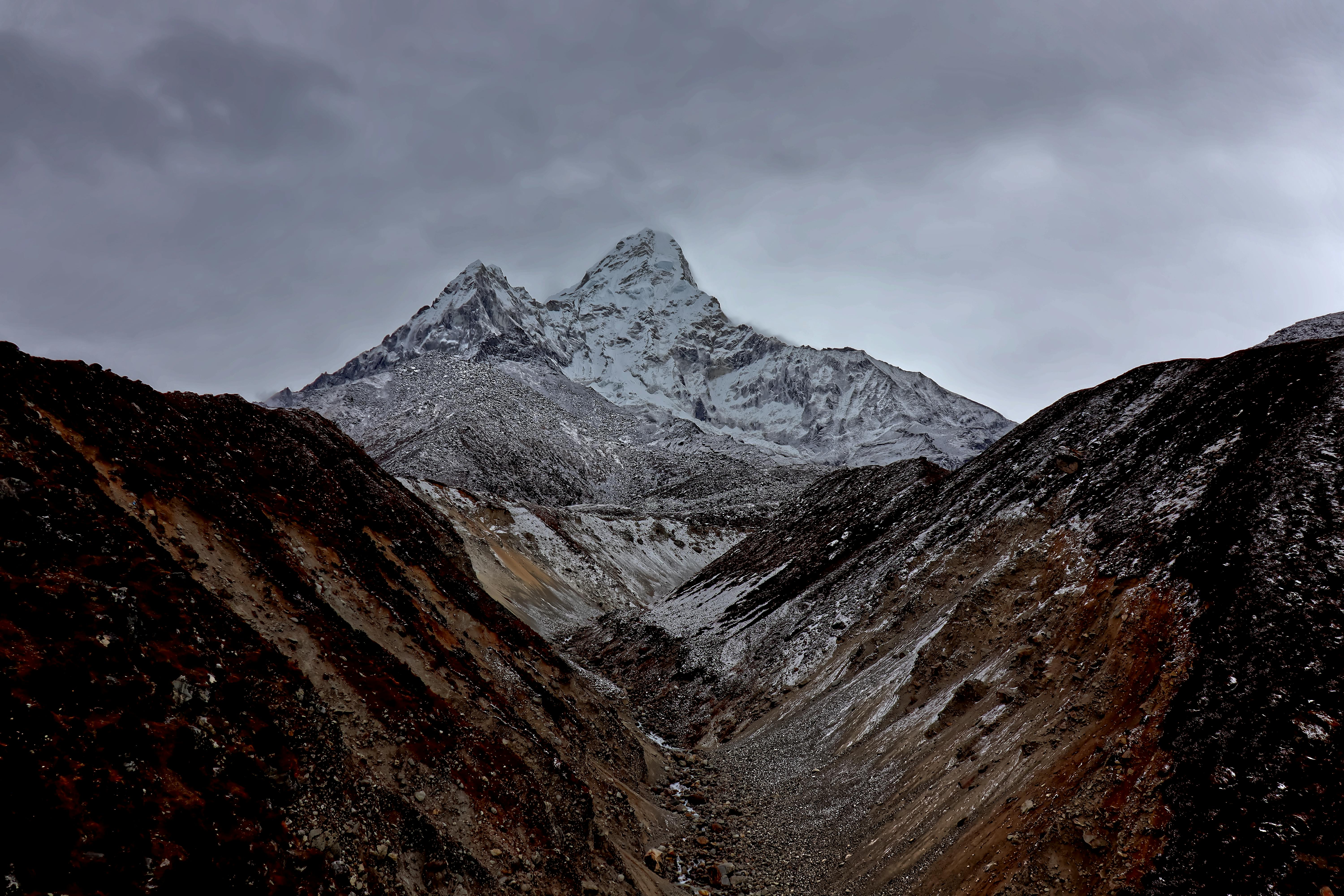
Ama Dablam (6,812m) is widely regarded as one of the most beautiful and technically rewarding mountains in the world. Located in the Everest region of Nepal, this iconic peak—often called the “Matterhorn of the Himalayas”—offers a thrilling challenge for experienced climbers seeking a true high-altitude technical expedition.

Organized by Peaceful Treks, this professionally guided Ama Dablam expedition is designed for climbers with prior mountaineering experience who are ready to take on steep rock, ice, and mixed terrain. The route follows the classic Southwest Ridge, involving exposed climbing sections, fixed ropes, and high camps strategically placed for summit success.

Our elite climbing team, including IFMGA-trained and NMA-certified guides, ensures the highest standards of safety, logistics, and support. From advanced rope systems to acclimatization strategies, every aspect of the expedition is carefully planned to maximize your chances of standing on one of the Himalayas’ most renowned summits.

From the summit, climbers are rewarded with jaw-dropping views of Everest, Lhotse, Makalu, and the entire Khumbu region.

Why Choose Ama Dablam with Peaceful Treks?

Peaceful Treks delivers high-end expedition services with strong safety records and expert leadership.

  • Highly experienced technical climbing guides (NMA/IFMGA standard)

  • Fixed rope support on key sections (Camp I–III & summit ridge)

  • High Sherpa-to-climber support ratio

  • Strategic acclimatization schedule

  • Advanced safety systems and emergency protocols

  • Proven success on technical Himalayan expeditions

  • Personalized expedition planning and support

Best Time for Ama Dablam Climbing

Spring and autumn provide the best conditions for Ama Dablam climbing. Stable weather, clear skies, and manageable wind conditions make these seasons ideal for technical climbing and summit success.


Who Can Climb Ama Dablam?

Ama Dablam is suitable only for experienced climbers with prior high-altitude and technical climbing experience. You should be proficient in:

  • Rock and ice climbing

  • Fixed rope techniques

  • Use of crampons and ice tools

  • High-altitude endurance


Start Your Ama Dablam Expedition

Ama Dablam Climbing with Peaceful Treks is a world-class mountaineering experience designed for serious climbers. With expert guidance, top-tier logistics, and a strong safety record, this expedition offers the ultimate Himalayan challenge.

Book your Ama Dablam expedition today and conquer one of the most iconic peaks in the world.

Itinerary

Day
1
Arrival in Kathmandu (1,400m) – Welcome & Expedition Introduction

Upon arrival at Tribhuvan International Airport, you will be greeted by the Peaceful Treks team and transferred to your hotel. After settling in, you can relax or explore nearby areas like Thamel. In the evening, enjoy a welcome dinner where you’ll meet your expedition leader, Sherpa team, and fellow climbers. A comprehensive briefing will cover expedition strategy, safety systems, and expectations for this technical climb.

Overnight: Hotel in Kathmandu

Day
2
Kathmandu – Gear Check, Permits & Technical Briefing

Today is dedicated to preparation. You will review all technical climbing equipment with your guide, ensuring everything meets expedition standards. Our team will handle permits and logistics. A detailed session will cover:

  • Fixed rope techniques

  • Use of ascenders and descenders

  • Safety procedures on exposed ridges

  • Communication and emergency protocols

This ensures every climber is technically prepared for Ama Dablam.

Overnight: Hotel

Day
3
Flight to Lukla (2,840m) & Trek to Phakding (2,650m)

Take an early morning scenic flight to Lukla, one of the most thrilling mountain airstrips. After landing, begin a gentle trek through pine forests and Sherpa villages. The trail follows the Dudh Koshi River with multiple suspension bridge crossings.

Experience: Easy trekking, cultural immersion
Duration: 3–4 hours
Overnight: Lodge

Max Alt: 2840 m
Day
4
Trek to Namche Bazaar (3,440m) – Gateway to Everest

Today’s trek includes steady ascents and iconic suspension bridge crossings, including the Hillary Bridge. As you climb, you may catch your first glimpse of Everest. The final ascent to Namche is challenging but rewarding.

Focus: Building stamina, first altitude gain
Duration: 5–6 hours
Overnight: Lodge in Namche

Max Alt: 3440 m
Day
5
Acclimatization Day in Namche – Active Recovery

To aid acclimatization, you’ll take a short hike to Everest View Hotel or nearby ridges. This “climb high, sleep low” strategy helps your body adapt to altitude. You’ll also explore Namche’s vibrant market, cafes, and local culture.

Activity: Short hikes, rest, hydration
Overnight: Lodge

Day
6
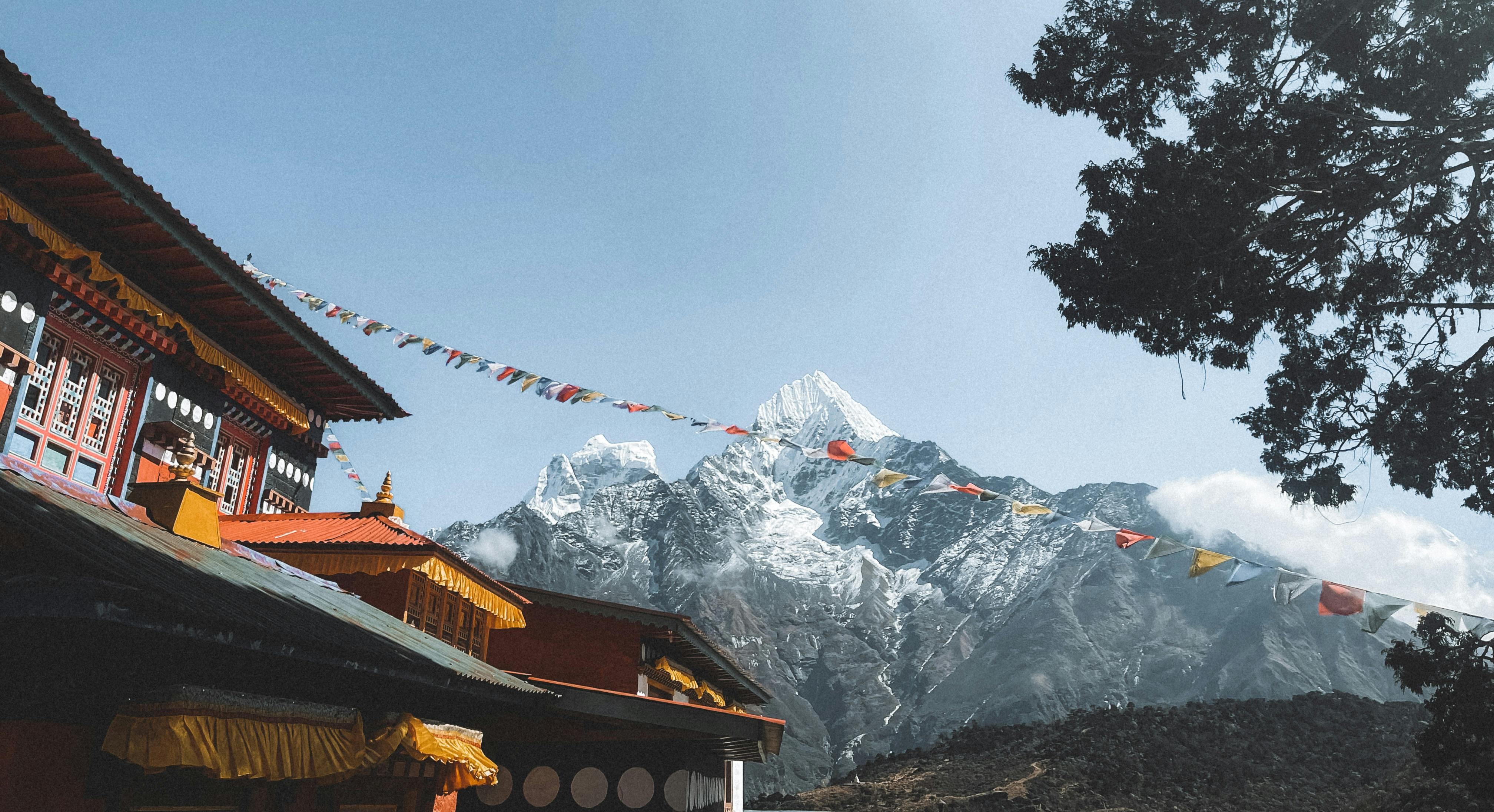
Trek to Tengboche (3,860m) – Monastery & Mountain Views

The trail offers stunning views of Ama Dablam, Everest, and Lhotse. After descending to the river, you’ll climb through forests to Tengboche. Visit the famous monastery and witness evening prayers.

Experience: Cultural and scenic highlight
Duration: 5–6 hours
Overnight: Lodge

Max Alt: 3860 m
Day
7
Trek to Pangboche (3,985m) – Closer to the Peak

A shorter trekking day allows better acclimatization. The trail gradually ascends with incredible views of Ama Dablam becoming more dominant. Pangboche is one of the oldest Sherpa villages in the region.

Focus: Acclimatization and rest
Duration: 3–4 hours
Overnight: Lodge

Max Alt: 3985 m
Day
8
Trek to Ama Dablam Base Camp (4,600m) – Expedition Begins

Leaving the main trail, you ascend toward Ama Dablam Base Camp. The terrain becomes more rugged, and the environment more alpine. Upon arrival, you’ll settle into a fully equipped expedition camp with dining tents, kitchen, and communication systems.

What Happens Here:

  • Camp setup and orientation

  • Review of climbing route

  • Rest and hydration

Overnight: Tented Camp

Max Alt: 4600 m
Day
9-11
Base Camp Training & Rotation to Camp I (~5,700m)

During these days, you will:

  • Practice climbing on fixed ropes

  • Learn efficient movement on exposed ridges

  • Carry loads to Camp I

  • Spend a night at Camp I for acclimatization

Terrain: Mixed rock scrambling and ridge climbing
Objective: Build technical confidence and altitude adaptation

Max Alt: ~5700 m
Day
12-14
Rotation to Camp II (~6,000m) – Technical Climbing Begins

You will climb from Base Camp to Camp I and then push toward Camp II. This section includes:

  • Narrow ridges with exposure

  • Fixed rope ascents

  • Technical rock and ice sections

Camp II is located on a spectacular ledge with dramatic views.

What You’ll Do:

  • Sleep at high altitude

  • Practice rope systems in real conditions

  • Improve endurance and efficiency

Day
15-17
Rest & Recovery at Base Camp

After rotations, return to Base Camp for recovery. These days are crucial for:

  • Rest and nutrition

  • Weather monitoring

  • Mental preparation for summit push

You’ll also review summit strategy and safety procedures with your guides.

Day
18
Climb to Camp I

Begin the summit push by ascending to Camp I. Move efficiently using fixed ropes and established routes.

Overnight: Camp I

Day
19
Climb to Camp II

Continue climbing through exposed ridges and technical sections. Careful movement and rope management are essential.

Overnight: Camp II

Day
20
Climb to Camp III (~6,400m) – High Camp

This is one of the most demanding sections, involving steep ice and mixed terrain. Camp III is located beneath the Dablam (hanging glacier).

Focus: Safety, hydration, preparation for summit
Overnight: Camp III

Max Alt: ~6400 m
Day
21
Summit Ama Dablam (6,812m) & Descend to Camp II/Base Camp

Summit day begins early (midnight or 1 AM). The climb involves:

  • Steep ice climbing

  • Fixed rope ascents

  • Exposed ridge traverses

Reaching the summit rewards you with one of the most spectacular views in the Himalayas. After celebrating, descend carefully to Camp II or Base Camp depending on conditions.

Duration: 10–14 hours
Overnight: Camp II/Base Camp

Max Alt: 6812 m
Day
22-23
Descend to Base Camp & Trek to Pangboche

Pack up Base Camp and begin descent back to Pangboche.

Day
24
Trek to Namche Bazaar

Return along familiar trails with a lighter body and a huge sense of achievement.

Day
25
Trek to Lukla

Final trekking day celebrating the completion of your expedition.

Day
26
Flight to Kathmandu

Return flight to Kathmandu and transfer to hotel.

Day
27
Leisure Day in Kathmandu

Relax, explore, or celebrate your successful expedition.

Day
28
Final Departure

Transfer to the airport for your onward journey.

Map Route

Ama Dablam Peak Climbing

Included

  • Airport transfers in Kathmandu
  • Domestic flights (Kathmandu–Lukla–Kathmandu)
  • Teahouse accommodation during trekking
  • Full expedition tents at Base Camp & higher camps
  • All meals during trek and expedition
  • Experienced climbing guides and Sherpa support team
  • Ama Dablam climbing permit and all fees
  • Sagarmatha National Park permit
  • Khumbu region permits
  • Fixed ropes, anchors, and technical setup
  • Porters and yaks for load carrying
  • Base Camp facilities (kitchen, dining tent, communication)
  • First aid and emergency support
  • Staff insurance

Excluded

  • International flights
  • Nepal visa fees
  • Personal climbing insurance (mandatory)
  • Personal technical climbing gear
  • Extra hotel nights
  • Personal expenses and beverages
  • Tips for guides and staff
  • Rescue and evacuation costs

Gear List

    • High-altitude down suit
    • Base and mid layers
    • Waterproof shell (Gore-Tex)
    • Expedition gloves and mittens
    • Balaclava and thermal headwear
    • UV glacier sunglasses & goggles
    • High-altitude mountaineering boots
    • Crampon-compatible double boots
    • Gaiters and thermal socks
    • Climbing harness
    • Helmet
    • Crampons
    • Ice tools (technical axes)
    • Ascenders/descenders
    • Carabiners, slings, safety lines
    • Sleeping bag (-25°C or lower)
    • Headlamp
    • Backpack & duffel
    • Personal medical kit
    • Hydration system
    • Sunscreen (high SPF)
Welcome to the Beta Version of Peaceful Himalaya Treks

We're still working on some features, so check back soon for updates. Thank you for your patience!