Overview

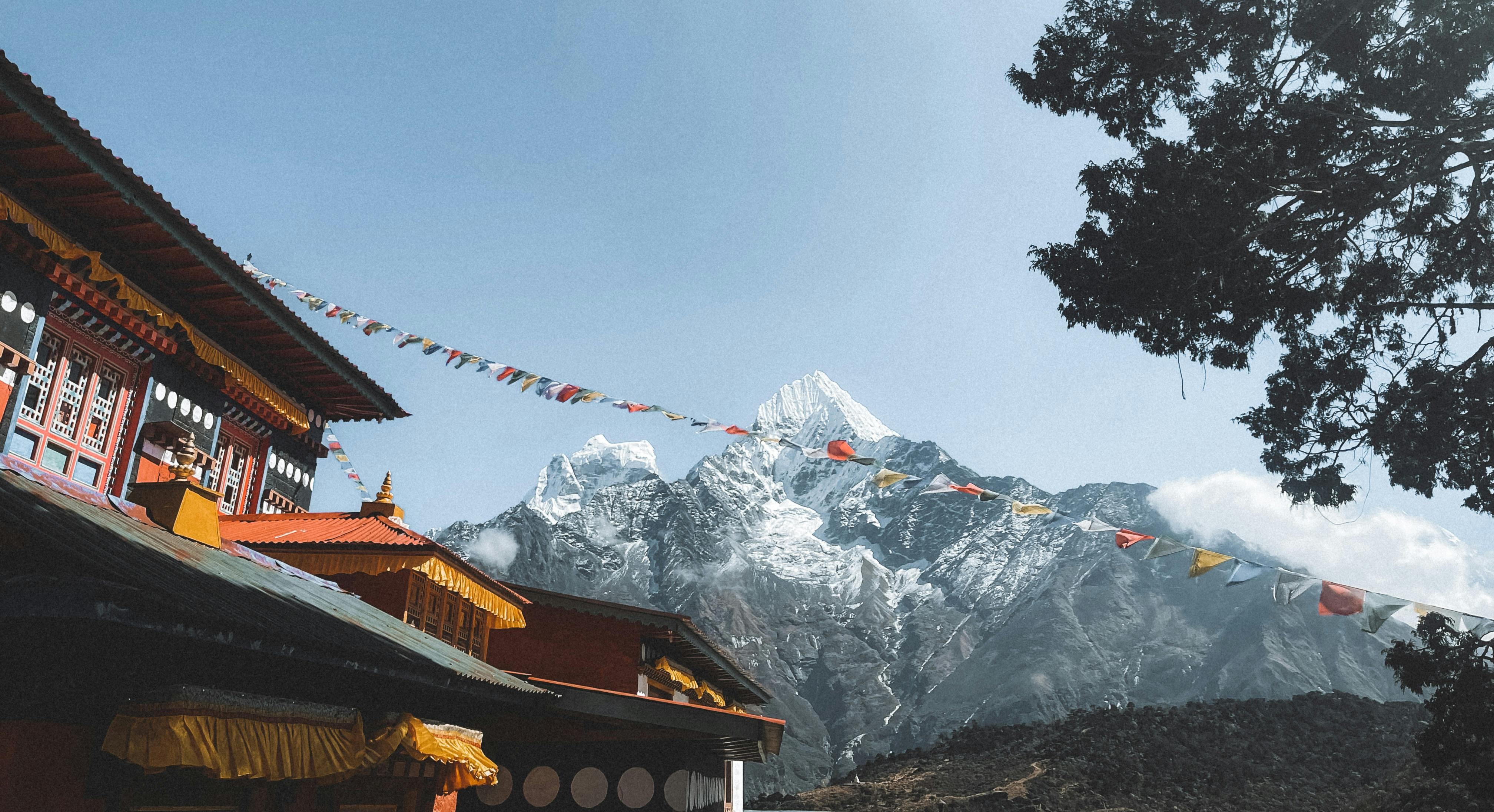
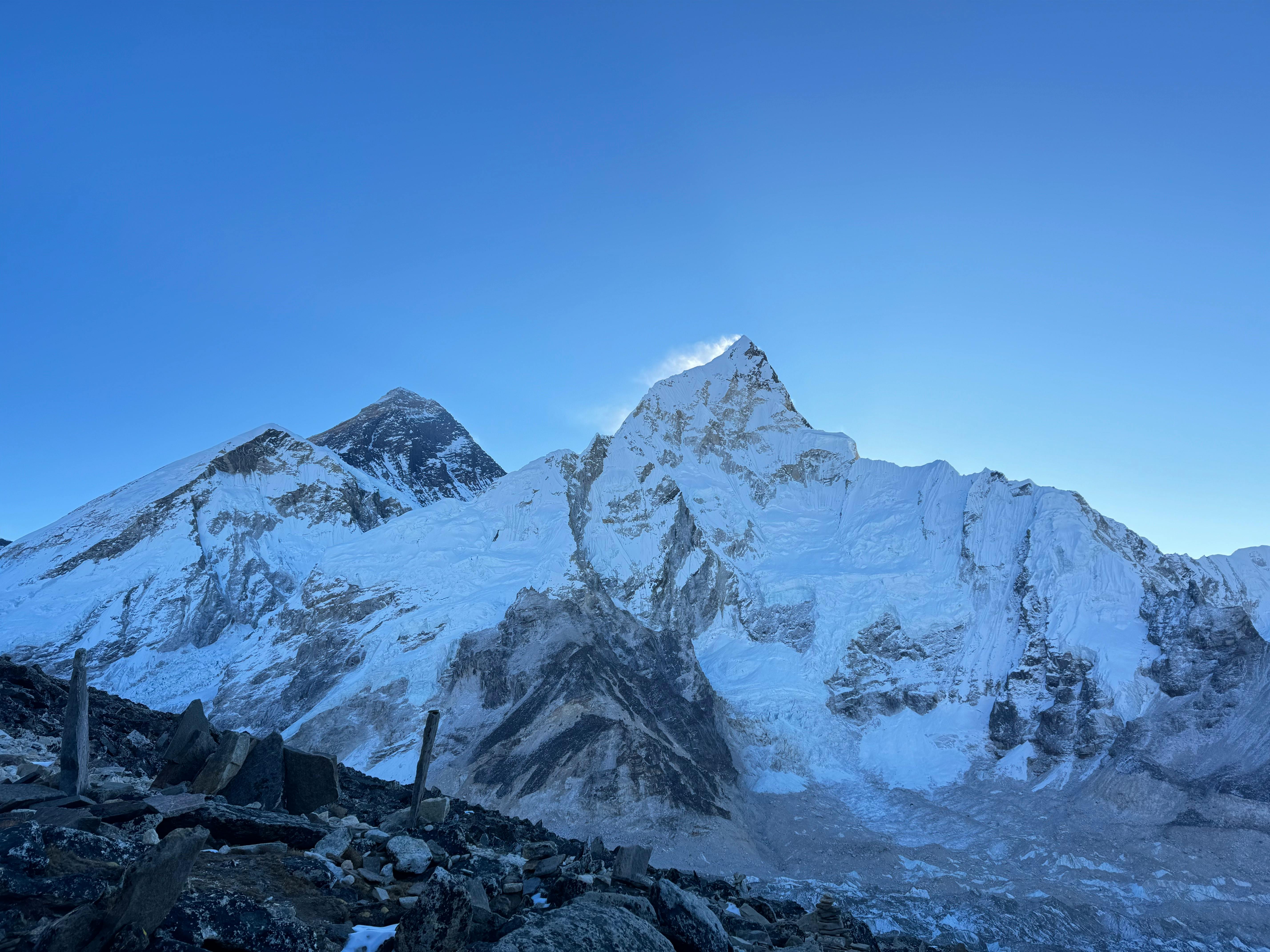
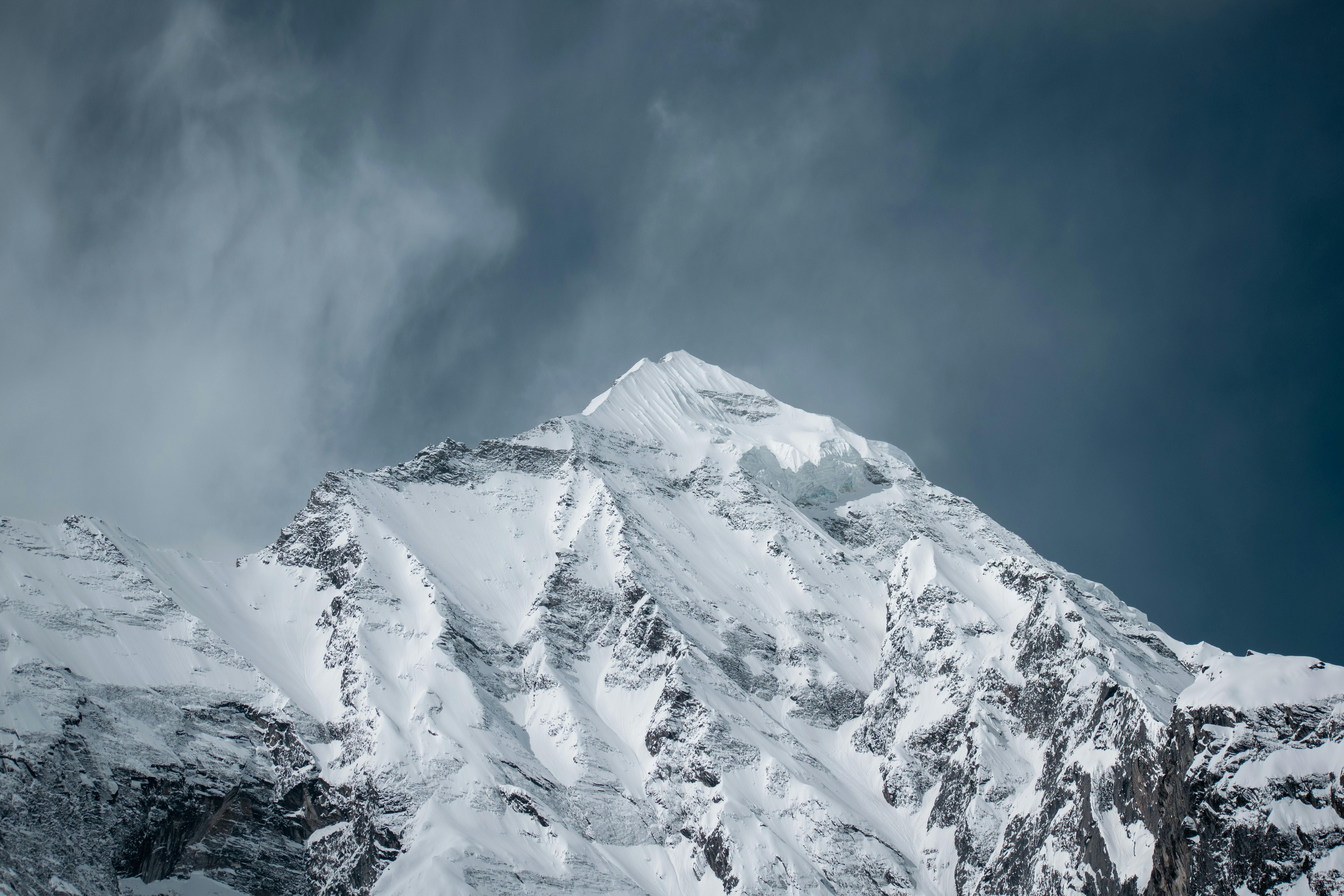
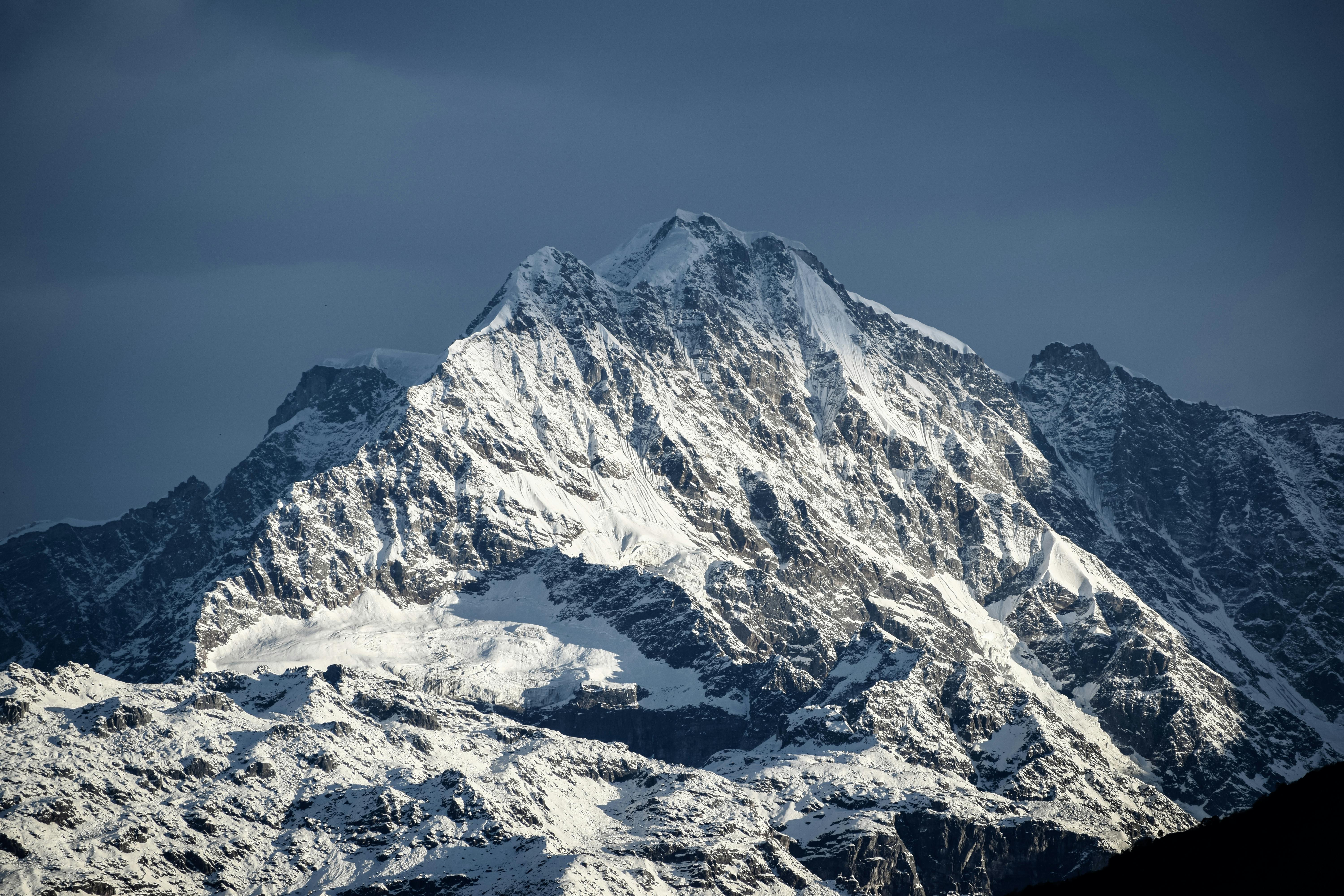
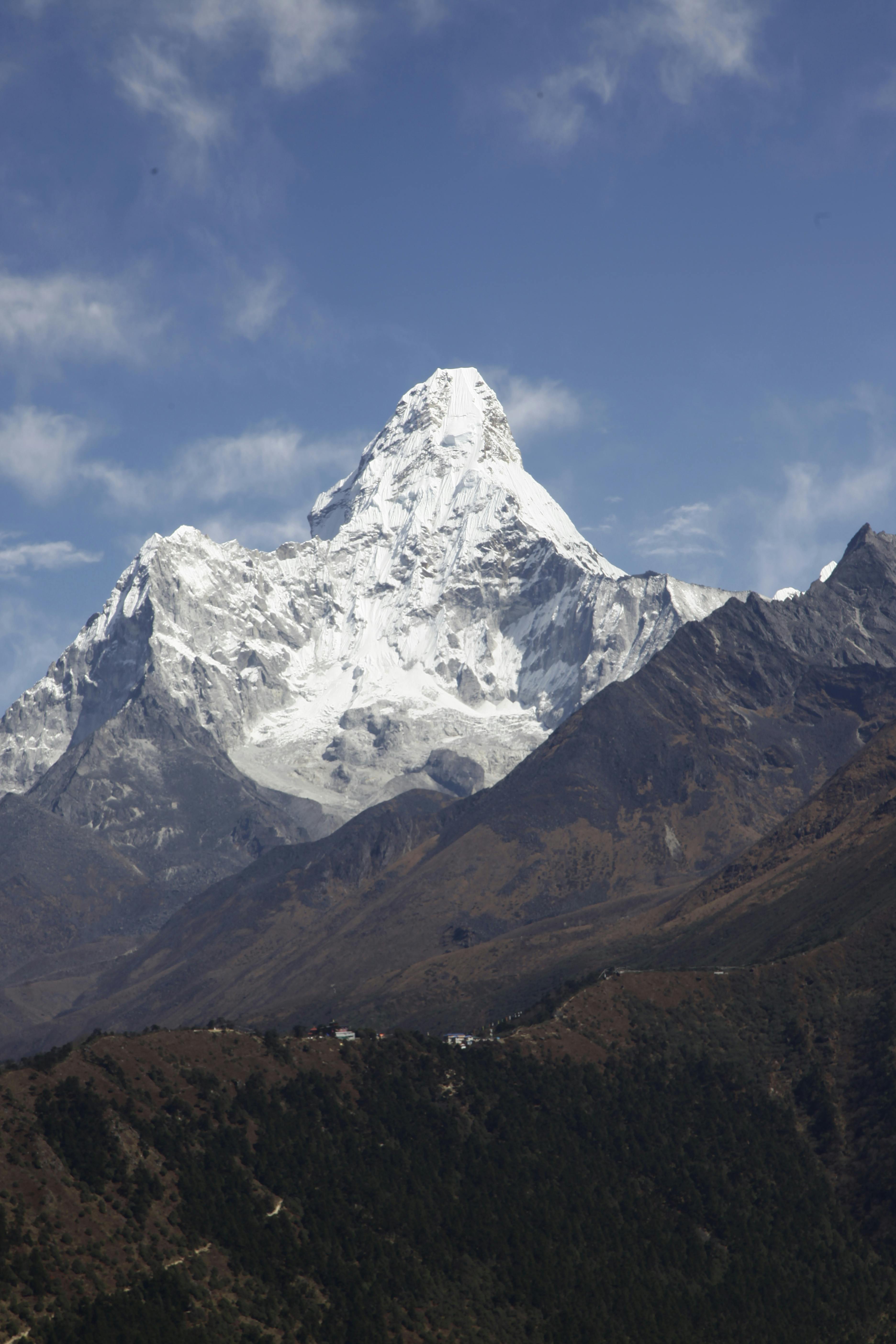
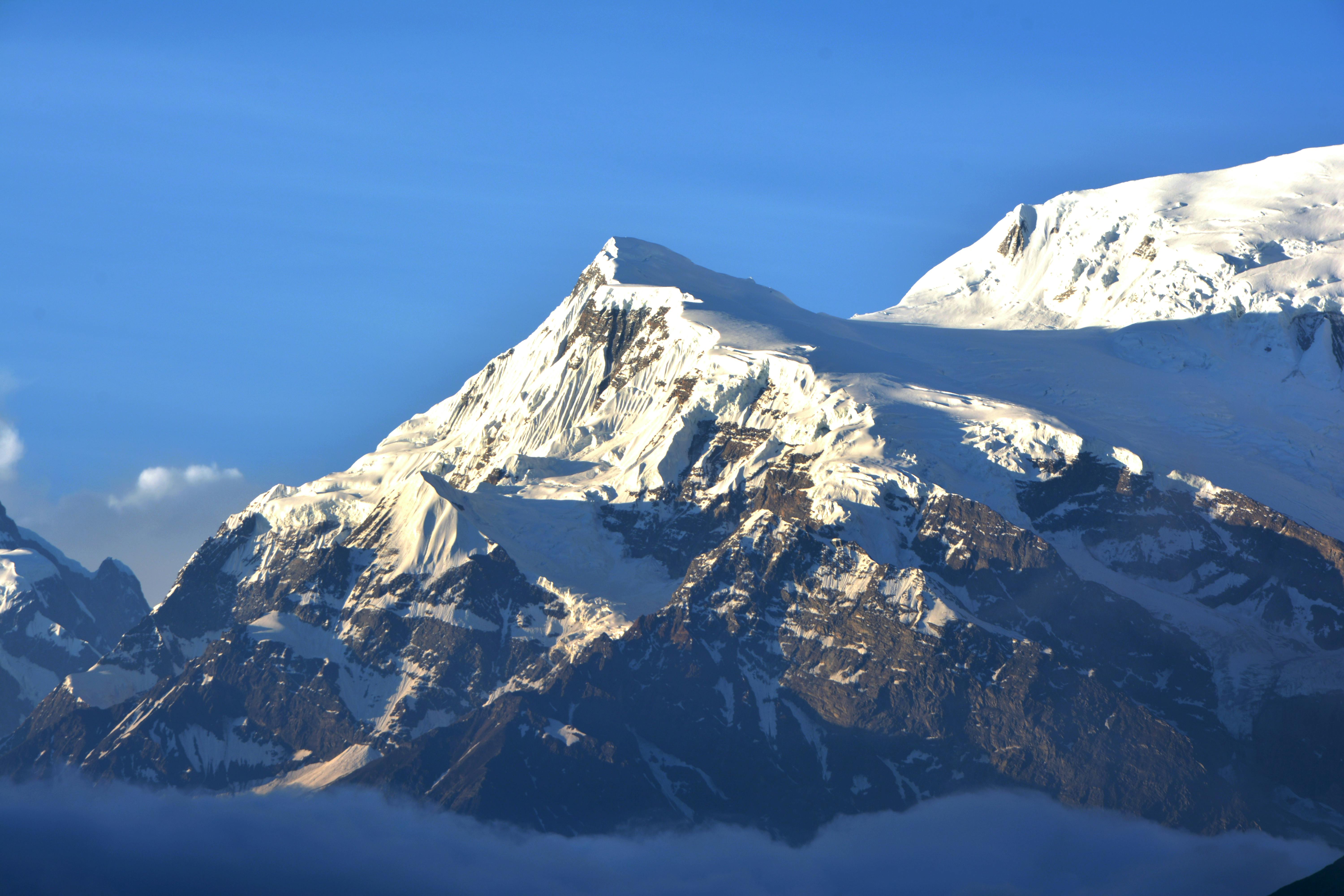
Chulu Far East Peak Climbing (6,059m) is one of the lesser-crowded and highly rewarding trekking peaks in Nepal, located in the northern Annapurna region near the famous Thorong La Pass. Offering a perfect blend of trekking and mountaineering, this peak is ideal for climbers seeking a quieter alternative to more popular peaks while still experiencing a true Himalayan summit.

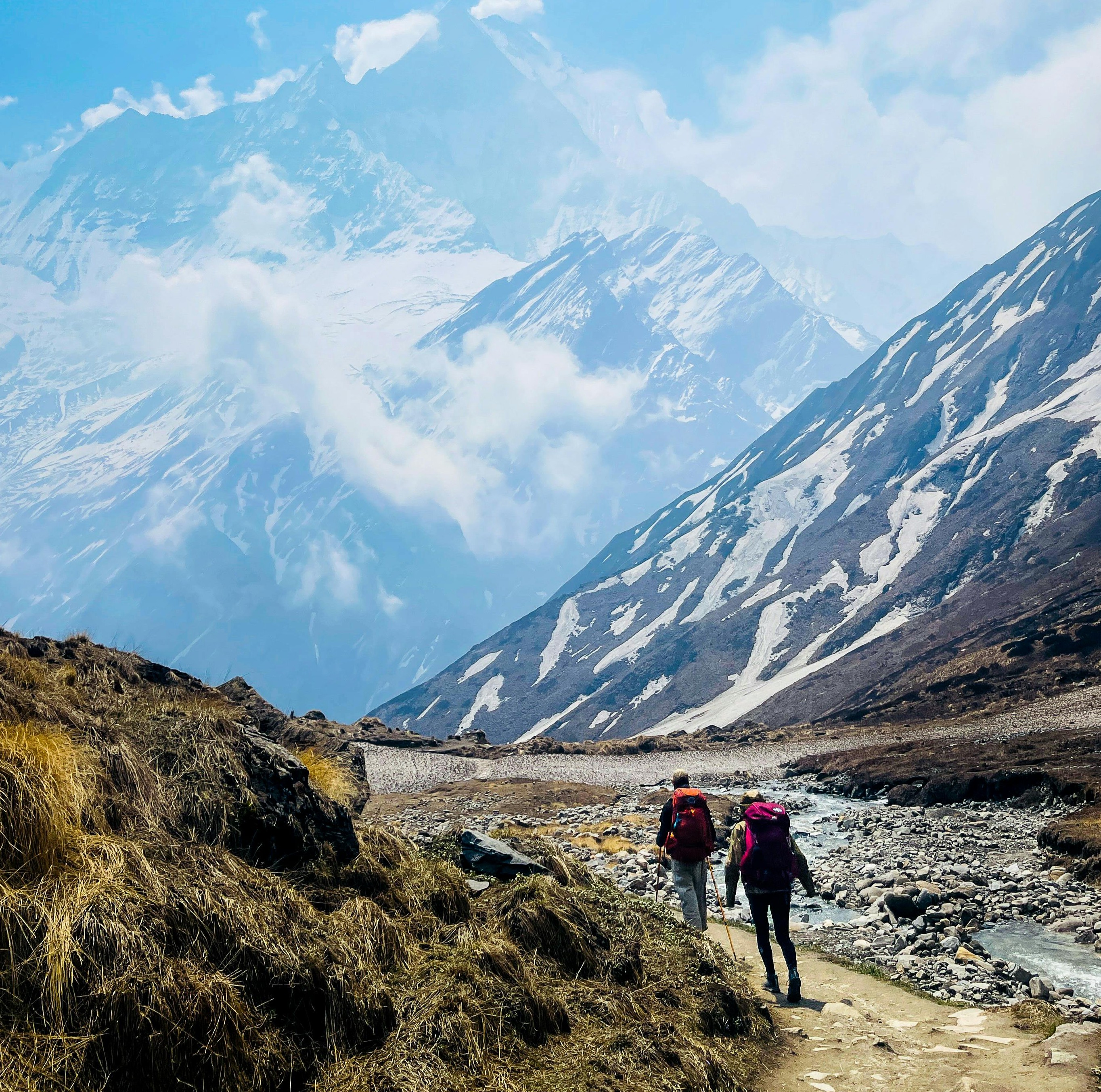
Organized by Peaceful Treks, this professionally guided expedition is crafted with a strong emphasis on safety, gradual acclimatization, and personalized support. The journey follows the classic Annapurna Circuit trail, allowing climbers to experience diverse landscapes—from lush subtropical forests to high alpine deserts—while gradually preparing for the climb.

Our expert climbing guides, certified by the Nepal Mountaineering Association (NMA) and trained in high-altitude rescue, provide hands-on training in rope techniques, crampon use, and glacier travel. With a carefully structured itinerary and strong logistical support, Chulu Far East becomes an achievable and highly satisfying climb even for first-time mountaineers.

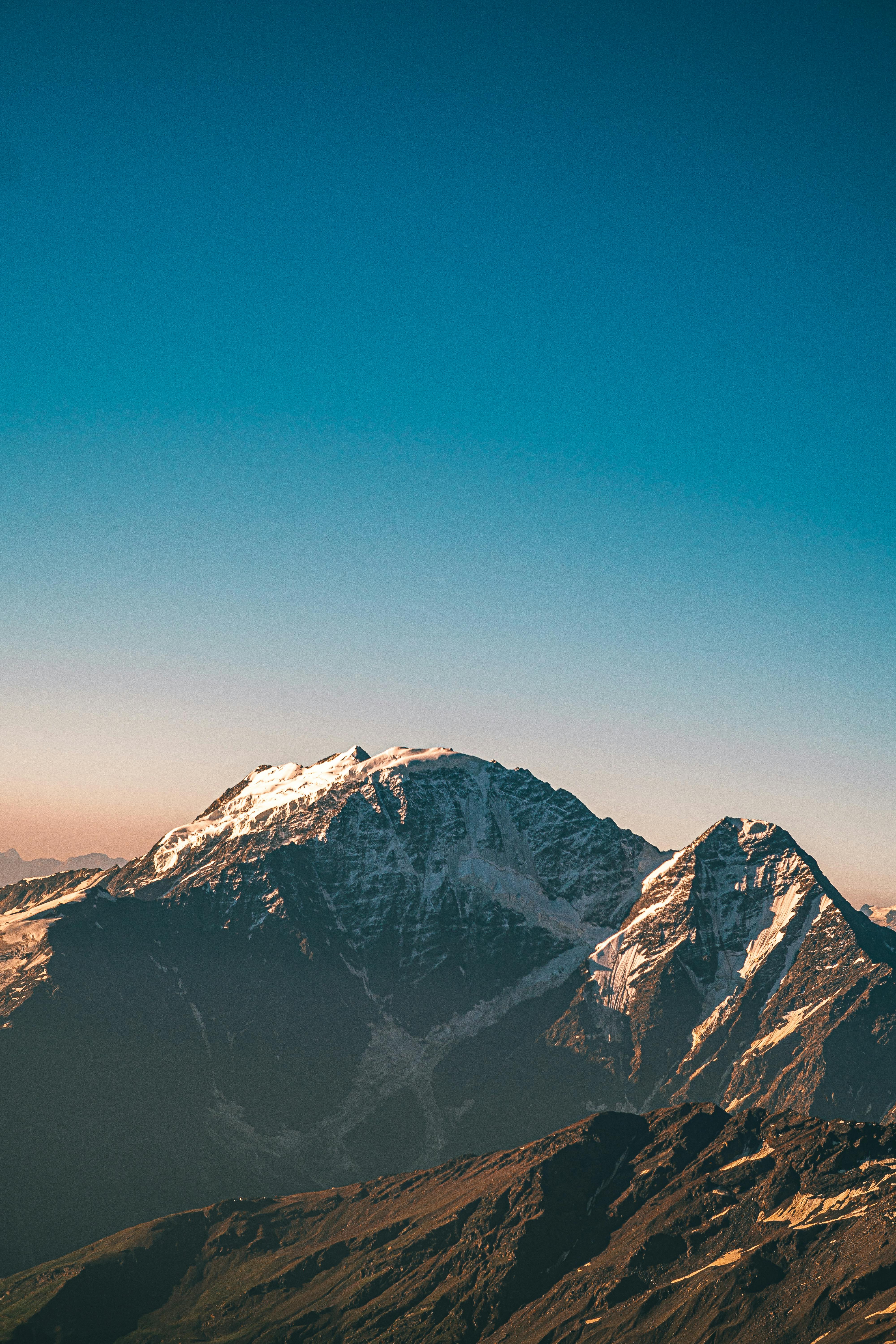
From the summit, climbers are rewarded with breathtaking views of Annapurna II, III, IV, Gangapurna, Tilicho Peak, and the vast Manang Valley.

Why Choose Chulu Far East with Peaceful Treks?

Peaceful Treks is a trusted local operator with deep roots in Nepal’s trekking and mountaineering industry. Our Chulu Far East expedition is designed using proven Himalayan climbing strategies to maximize both safety and summit success.

  • Certified Expertise: NMA-certified climbing guides with extensive 6000m+ expedition experience

  • Proven Acclimatization Strategy: Gradual altitude gain aligned with international high-altitude safety standards

  • High Success Rate: Carefully planned summit window and rotation strategy

  • Small Group Expeditions: Personalized attention and better safety management

  • Technical Training Included: Hands-on training in crampons, ropes, and glacier travel

  • Local Authority: Deep operational knowledge of Annapurna region logistics and conditions

  • Safety First Approach: Emergency protocols, first aid readiness, and experienced support crew

Best Time for Chulu Far East Climbing

Spring and autumn are the best seasons for Chulu Far East climbing. These months offer stable weather, clear skies, and ideal climbing conditions.

Spring provides moderate temperatures and vibrant landscapes, while autumn offers crystal-clear mountain views and dry conditions—both excellent for summit success.


Who Can Climb Chulu Far East?

Chulu Far East is perfect for trekkers looking to step into mountaineering. While prior technical experience is helpful, it is not mandatory.

Climbers should have:

  • Good physical fitness

  • Ability to trek 5–7 hours daily

  • Basic endurance for high altitude

With proper guidance and training, beginners can successfully summit.


Start Your Chulu Far East Adventure

Chulu Far East Climbing with Peaceful Treks is an exceptional Himalayan journey combining adventure, culture, and achievement. With fewer crowds, stunning landscapes, and a rewarding summit, this expedition is ideal for those seeking an authentic climbing experience.

Book your Chulu Far East climbing package today and explore one of Nepal’s hidden Himalayan gems with a trusted local expert.


Itinerary

Day
1
Arrival in Kathmandu (1,400m) – Welcome & Expedition Briefing

Upon arrival at Tribhuvan International Airport, you will be warmly welcomed by the Peaceful Treks team and transferred to your hotel. After check-in, take time to relax or explore the vibrant streets of Thamel. In the evening, enjoy a traditional Nepali welcome dinner while meeting your guide and fellow climbers. A detailed expedition briefing will cover itinerary, safety protocols, altitude awareness, and gear preparation.

Overnight: Hotel in Kathmandu

Day
2
Kathmandu Sightseeing, Permits & Gear Check

Today combines cultural exploration with expedition preparation. You will visit UNESCO World Heritage Sites such as Pashupatinath, Boudhanath, and Swayambhunath. Meanwhile, our team will arrange permits and logistics. In the afternoon, your climbing guide will conduct a full gear inspection and provide a technical introduction to:

  • Basic rope handling

  • Crampon and ice axe usage

  • High-altitude safety practices

Overnight: Hotel

Day
3
Drive to Besisahar (760m) – Journey to Annapurna

After breakfast, begin a scenic drive from Kathmandu to Besisahar, the gateway to the Annapurna region. The journey passes through terraced farmlands, rivers, and rural villages, offering a glimpse into Nepal’s countryside lifestyle.

Duration: 6–7 hours
Overnight: Lodge in Besisahar

Max Alt: 760 m
Day
4
Drive to Chame (2,670m) – Entering the Mountains

Continue your journey along the Marsyangdi River on a rugged mountain road. The landscape transforms into steep valleys, waterfalls, and pine forests. Chame, the district headquarters of Manang, offers your first close-up mountain views.

Experience: Transition to higher altitude
Duration: 5–6 hours
Overnight: Lodge in Chame

Max Alt: 2670 m
Day
5
Trek to Upper Pisang (3,300m) – Start of Trekking

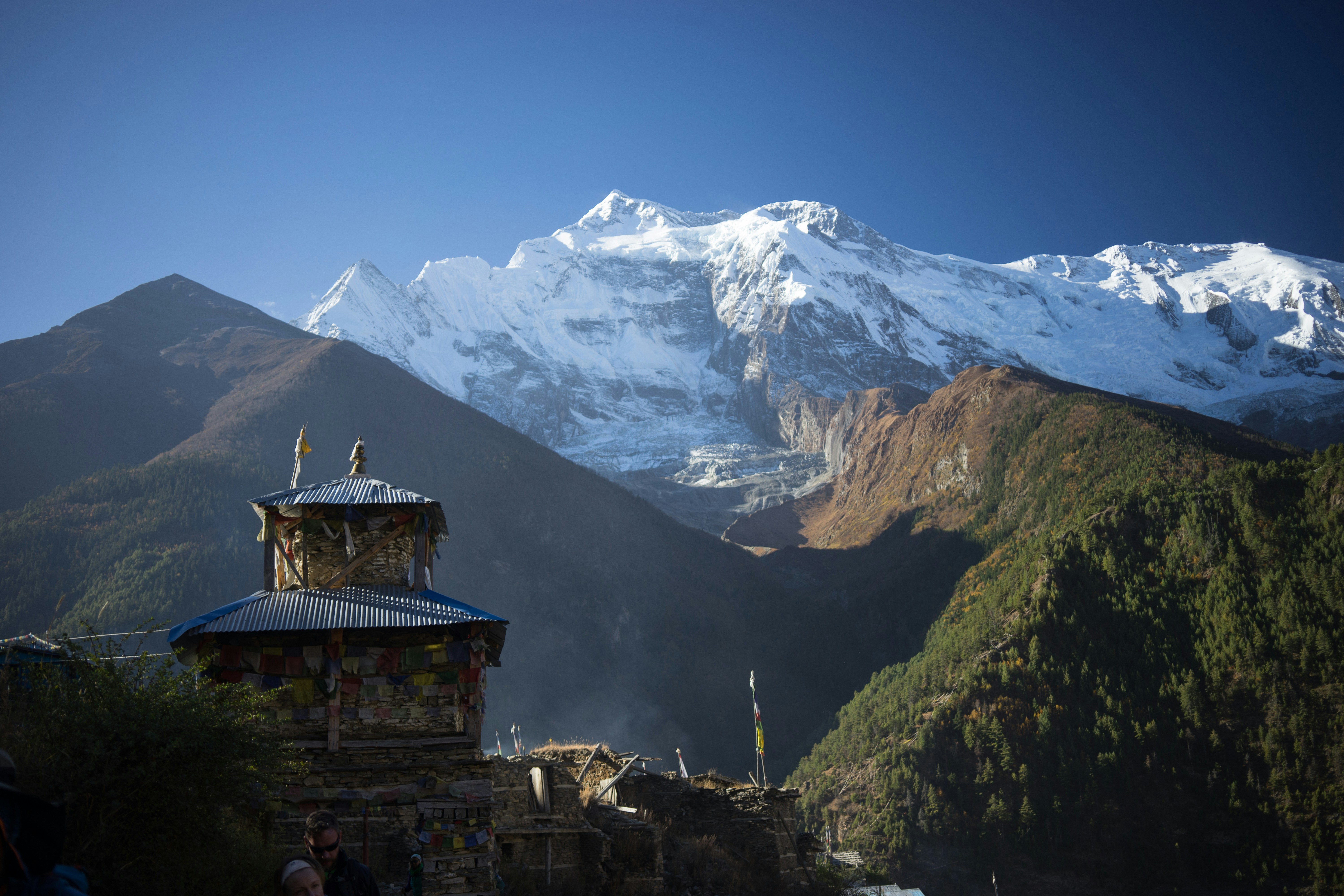
Your trekking adventure begins today. The trail winds through pine forests and narrow valleys with stunning views of Annapurna II. Crossing suspension bridges and rivers, you reach Upper Pisang, a culturally rich village with Tibetan influences.

Focus: Gradual altitude gain, rhythm building
Duration: 5–6 hours
Overnight: Teahouse

Max Alt: 3300 m
Day
6
Trek to Manang (3,540m) – Scenic High Trail

Today you follow the upper trail via Ghyaru and Ngawal, offering spectacular panoramic views of Annapurna II, III, and IV. The terrain becomes drier and more alpine as you enter the rain-shadow region of Manang.

What You’ll Experience: Expansive mountain views, unique culture
Duration: 5–6 hours
Overnight: Lodge in Manang

Max Alt: 3540 m
Day
7
Acclimatization Day in Manang – Essential Altitude Adaptation

To prepare for higher elevations, you’ll spend a day acclimatizing. A short hike to Ice Lake or nearby ridges allows your body to adjust to thinner air. You can also explore monasteries, local museums, or interact with the local community.

Activity: “Climb high, sleep low” strategy
Overnight: Lodge

Day
8
Trek to Yak Kharka (4,050m) – Into Alpine Wilderness

The trail gradually ascends through alpine landscapes with sparse vegetation. You’ll pass yak pastures and small settlements while enjoying peaceful surroundings.

Focus: Slow ascent for proper acclimatization
Duration: 4–5 hours
Overnight: Lodge

Max Alt: 4050 m
Day
9
Trek to Chulu Far East Base Camp (~4,900m) – Climbing Phase Begins

Leaving the main Annapurna Circuit trail, you ascend toward Chulu Far East Base Camp. The terrain becomes more rugged and remote. Upon arrival, the team sets up camp and prepares for the climbing phase.

What Happens:

  • Camp setup

  • Route overview

  • Rest and hydration

Duration: 4–5 hours
Overnight: Tented Camp

Max Alt: ~4900 m
Day
10
Acclimatization & Technical Training at Base Camp

This is a crucial preparation day. Under expert guidance, you will practice:

  • Walking with crampons on snow and ice

  • Ice axe techniques

  • Fixed rope climbing (ascending/descending with Jumar)

  • Basic glacier travel safety

This hands-on training ensures confidence for the summit attempt.

Overnight: Tented Camp

Day
11
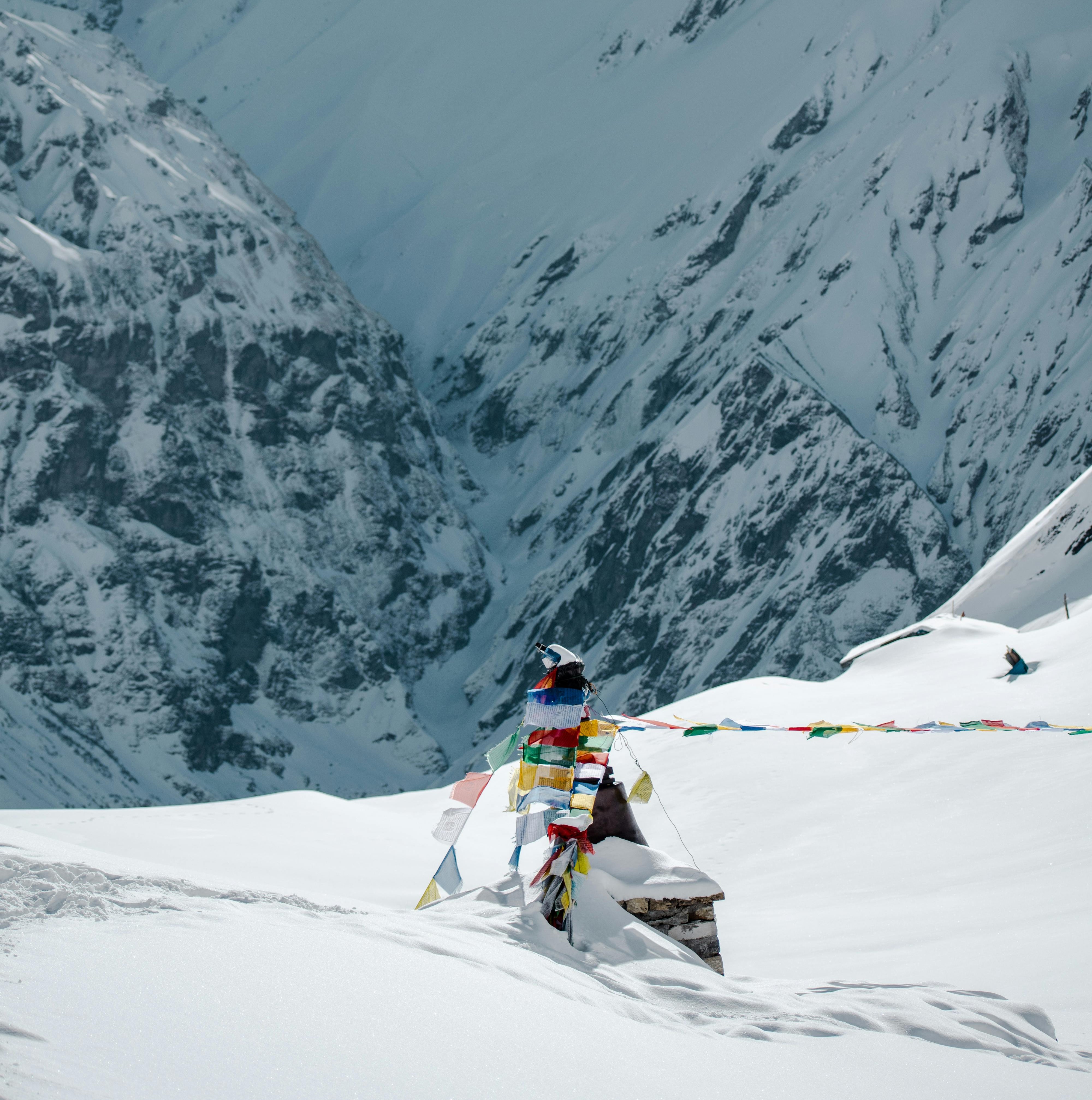
Trek to High Camp (~5,500m) – Steep Alpine Ascent

Today you climb toward High Camp over steep and sometimes snowy terrain. The route may involve sections requiring rope support. As you gain elevation, the views become more dramatic and expansive.

At High Camp, your guide will brief you on the summit plan, weather conditions, and safety measures.

Focus: Final preparation for summit
Duration: 4–6 hours
Overnight: Tented Camp

Max Alt: ~5500 m
Day
12
Summit Chulu Far East (6,059m) & Return to Base Camp – Achievement Day

Summit day begins early (around 2–3 AM). Equipped with headlamps, you will ascend gradually over snow slopes and ridges. Some sections require fixed rope use.

Reaching the summit rewards you with breathtaking views of Annapurna II, III, IV, Gangapurna, Tilicho Peak, and the vast Himalayan landscape.

After celebrating your achievement, descend carefully back to Base Camp.

Climbing Duration: 8–10 hours
Overnight: Tented Camp

Max Alt: 6059 m
Day
13
Reserve Day – Weather Contingency

This extra day provides flexibility in case of bad weather or delays, significantly improving summit success rate and safety.

Overnight: Camp/Lodge

Day
14
Trek to Thorong Phedi (4,540m) – Return to Main Trail

Descend back to the Annapurna Circuit trail and continue toward Thorong Phedi. The trail is easier, allowing recovery after the climb.

Duration: 5–6 hours
Overnight: Lodge

Max Alt: 4540 m
Day
15
Cross Thorong La Pass (5,416m) & Descend to Muktinath (3,800m)

One of the most challenging trekking days. Start early to cross Thorong La Pass. The climb is demanding but offers incredible views. After reaching the pass, descend to Muktinath, a sacred pilgrimage site.

Duration: 7–9 hours
Overnight: Lodge

Max Alt: 5416 m
Day
16
Drive to Jomsom – Mustang Region Experience

Travel through the Kali Gandaki Valley, known for its unique landscapes and strong winds. Enjoy views of the Mustang region.

Overnight: Lodge

Day
17
Flight to Pokhara – Relaxation by the Lake

Take a scenic flight to Pokhara. Spend the day relaxing by Phewa Lake, enjoying cafes, or celebrating your successful climb.

Overnight: Hotel

Day
18
Return to Kathmandu

Travel back to Kathmandu by flight or tourist bus. Enjoy a farewell dinner with the team.

Overnight: Hotel

Day
19
Final Departure

Transfer to the airport for your onward journey, marking the end of your Chulu Far East climbing adventure.

Map Route

Chulu Far East Peak Climbing

Included

  • Airport pickup and drop-off in Kathmandu
  • Ground transportation (Kathmandu–Besisahar–Kathmandu)
  • Teahouse accommodation during trekking
  • Tented camps during climbing phase
  • All meals during trek and climb
  • Experienced English-speaking trekking guide & climbing guide
  • Chulu Far East climbing permit and government fees
  • Annapurna Conservation Area Permit (ACAP)
  • TIMS card
  • Porters (1 porter for 2 climbers)
  • Group climbing gear (ropes, anchors, ice screws)
  • First aid kit and emergency support
  • Insurance for guides and porters

Excluded

  • International airfare
  • Nepal visa fees
  • Personal travel insurance (mandatory)
  • Personal climbing gear
  • Extra hotel nights
  • Beverages and personal snacks
  • Wi-Fi, hot showers, and charging during trek
  • Tips for guides and porters
  • Personal expenses and unforeseen costs

Gear List

    • Moisture-wicking base layers
    • Insulating layers (fleece/down)
    • Waterproof jacket & pants
    • Heavy down jacket (summit push)
    • Warm gloves, mittens, hat, balaclava
    • UV sunglasses & goggles
    • Mountaineering boots (crampon compatible)
    • Trekking boots
    • Gaiters
    • Warm socks
    • Harness
    • Helmet
    • Crampons
    • Ice axe
    • Ascender (Jumar)
    • Descender
    • Carabiners and slings
    • Sleeping bag (-15°C to -25°C)
    • Headlamp
    • Trekking poles
    • Backpack & duffel bag
    • Water bottles
    • Personal medications
    • Sunscreen & lip balm
Welcome to the Beta Version of Peaceful Himalaya Treks

We're still working on some features, so check back soon for updates. Thank you for your patience!