Overview

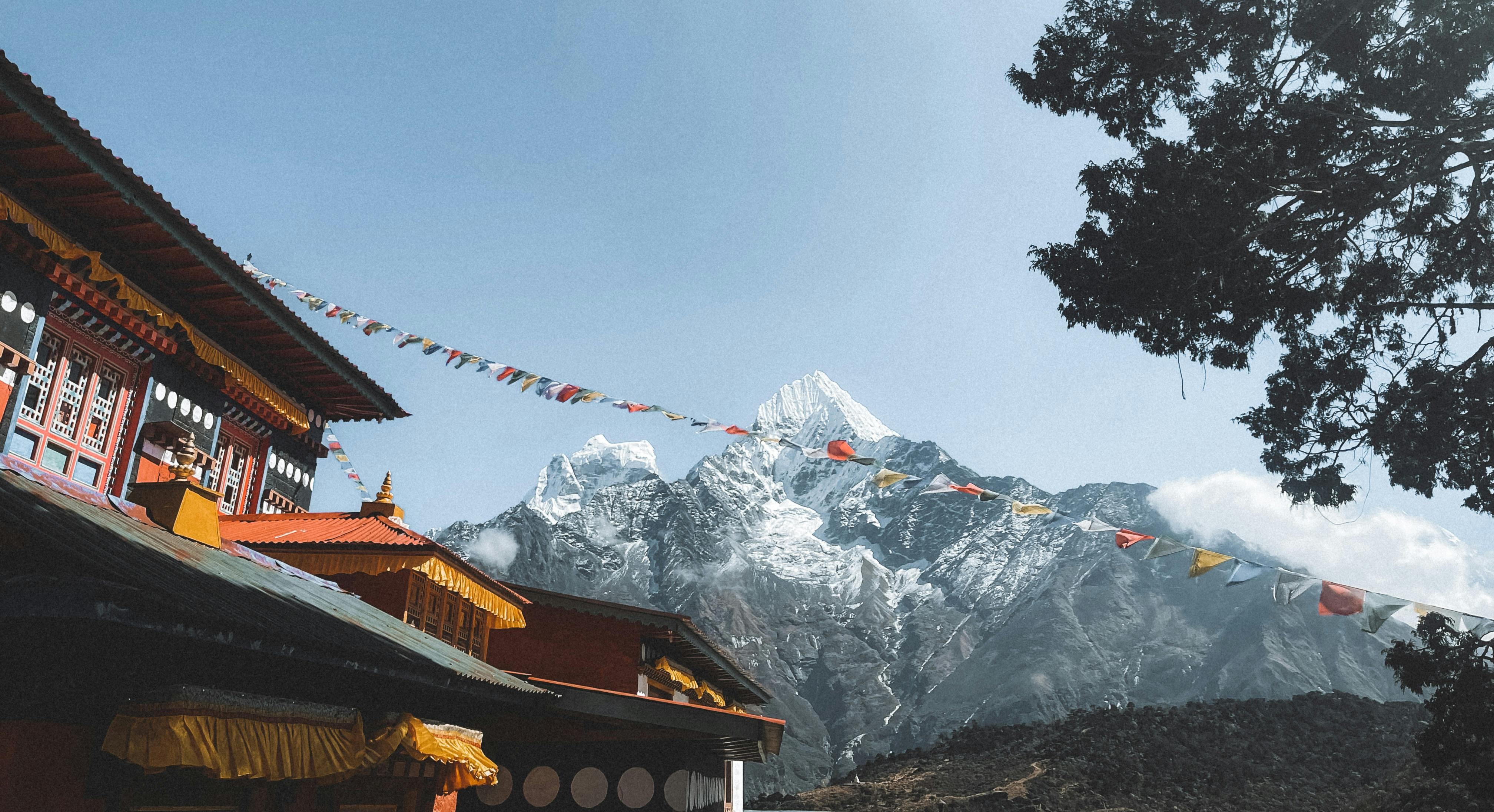
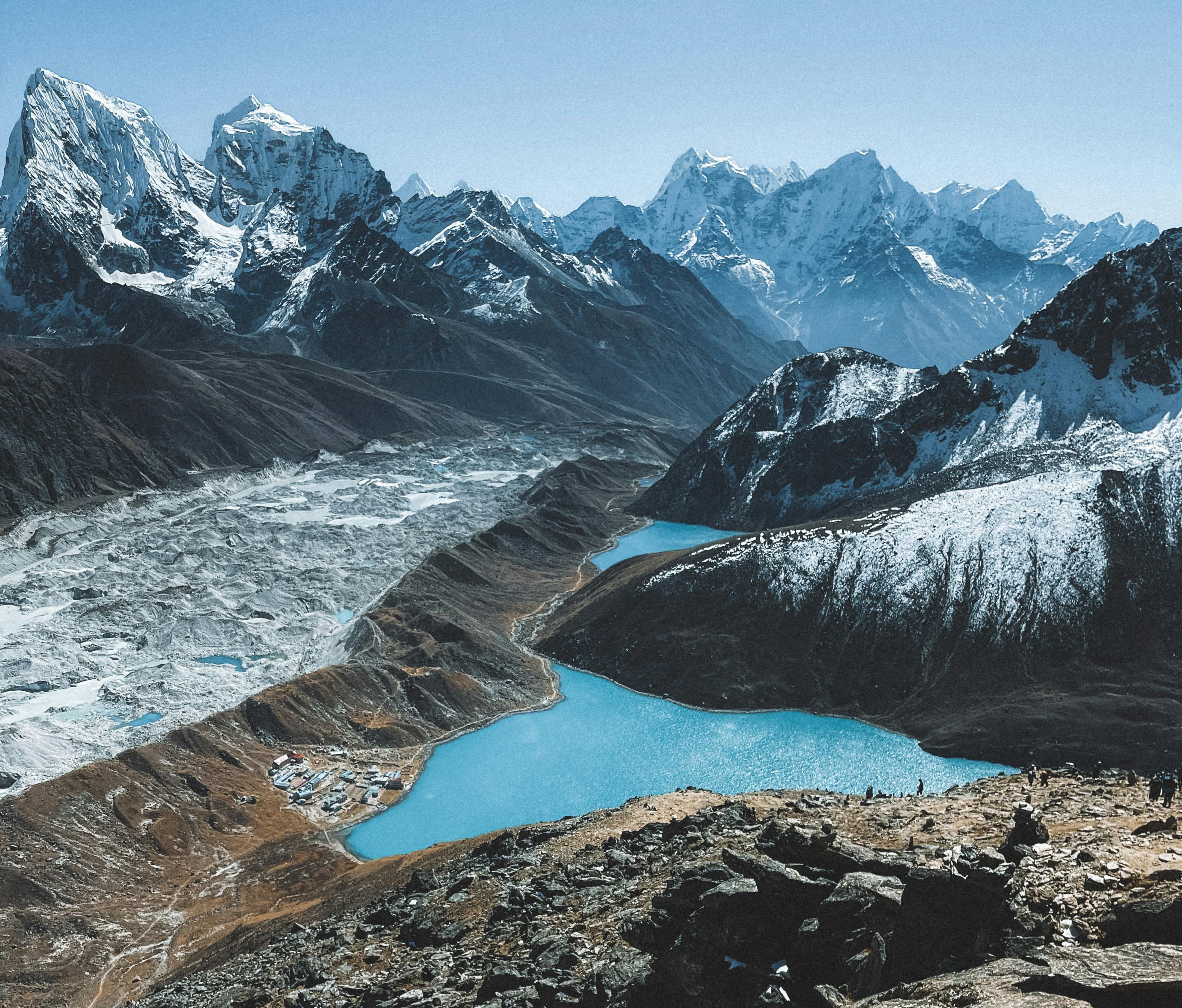
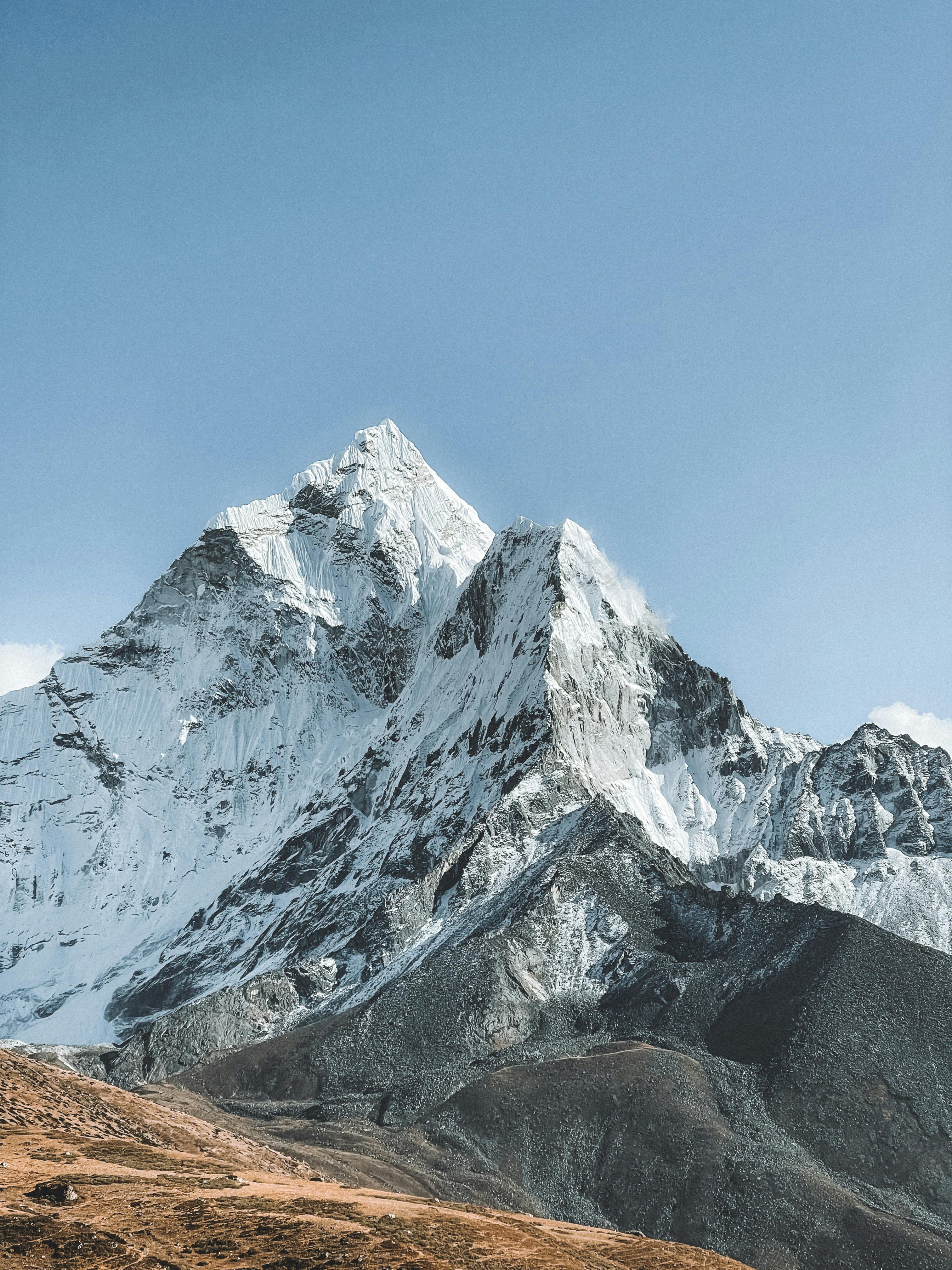
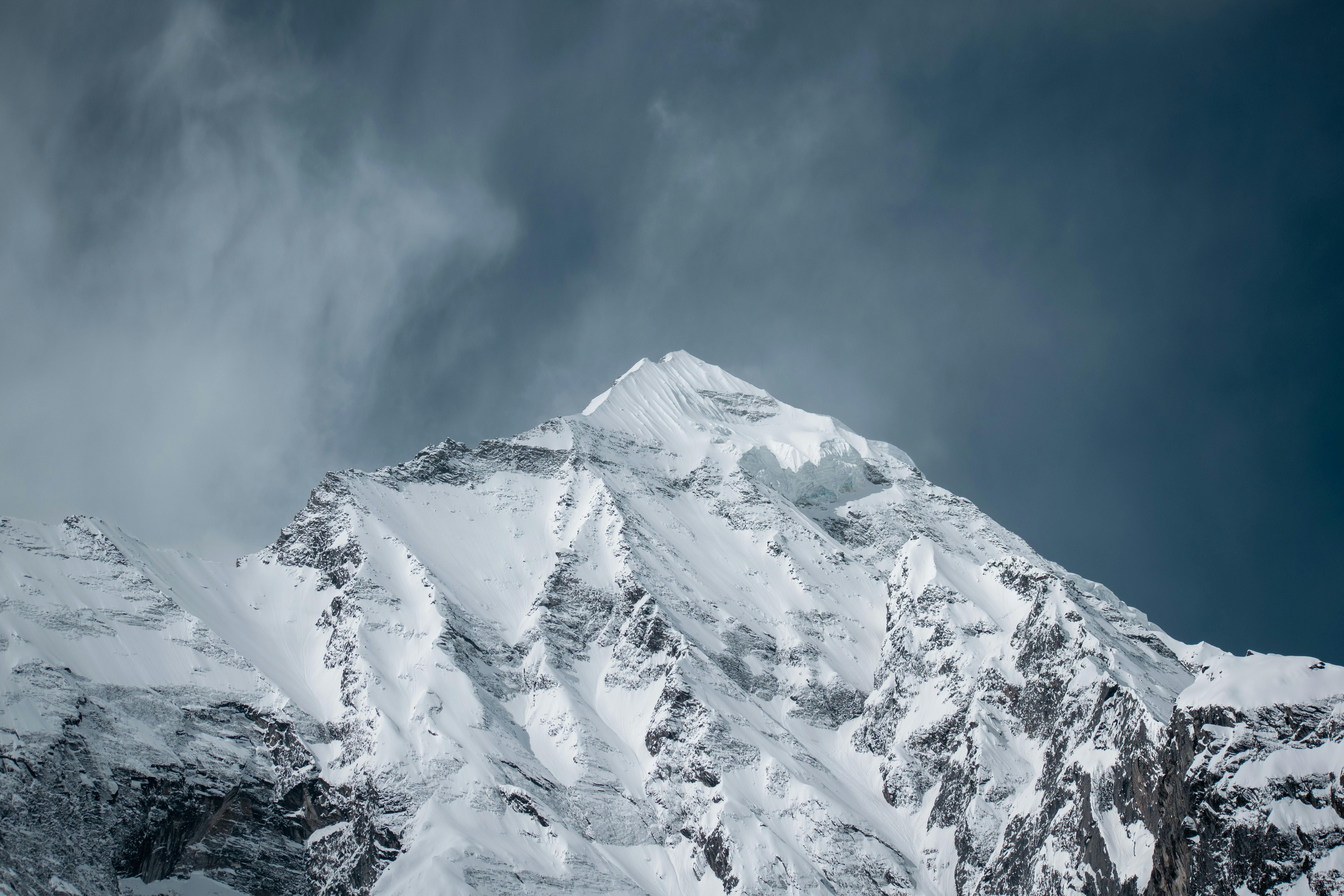
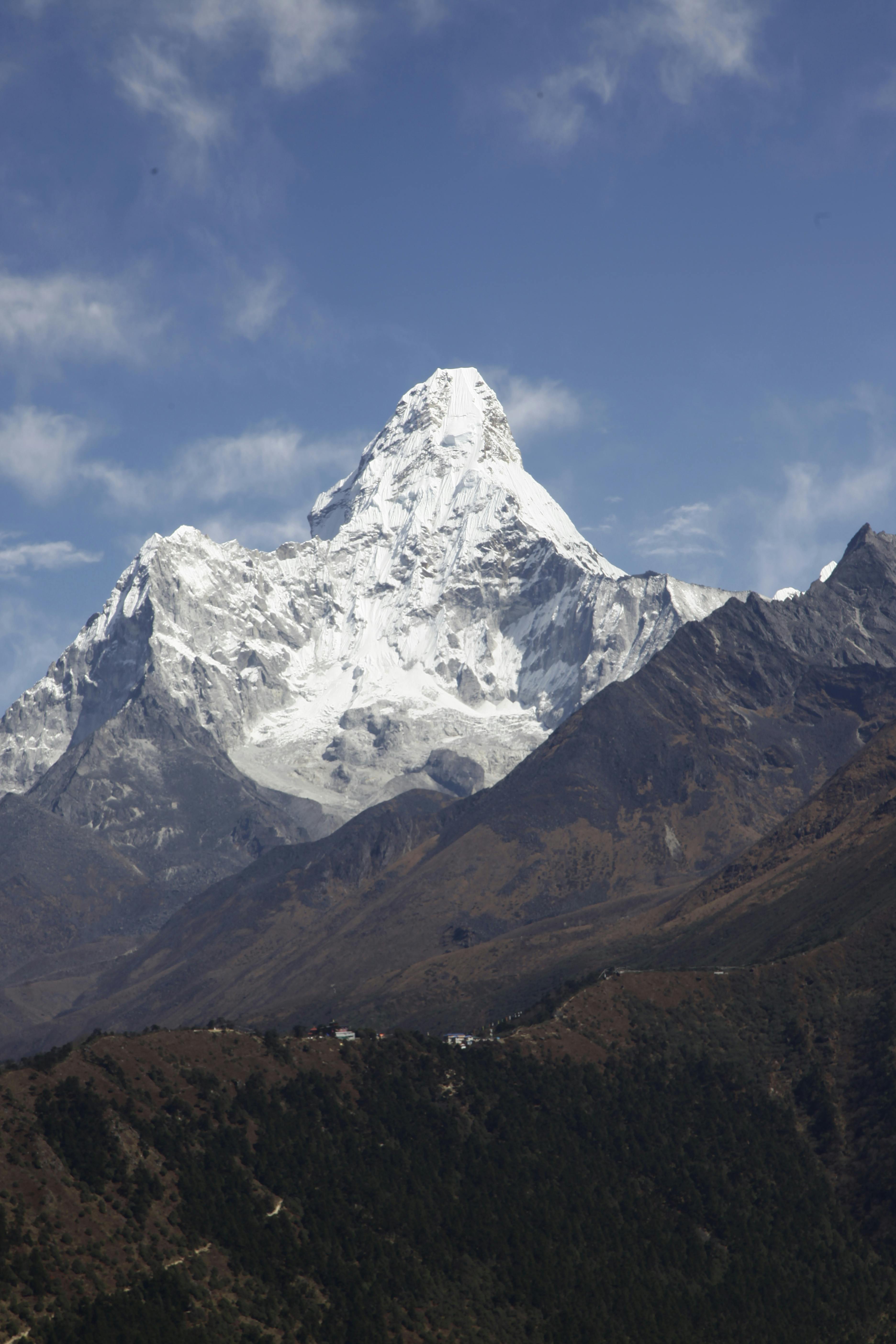
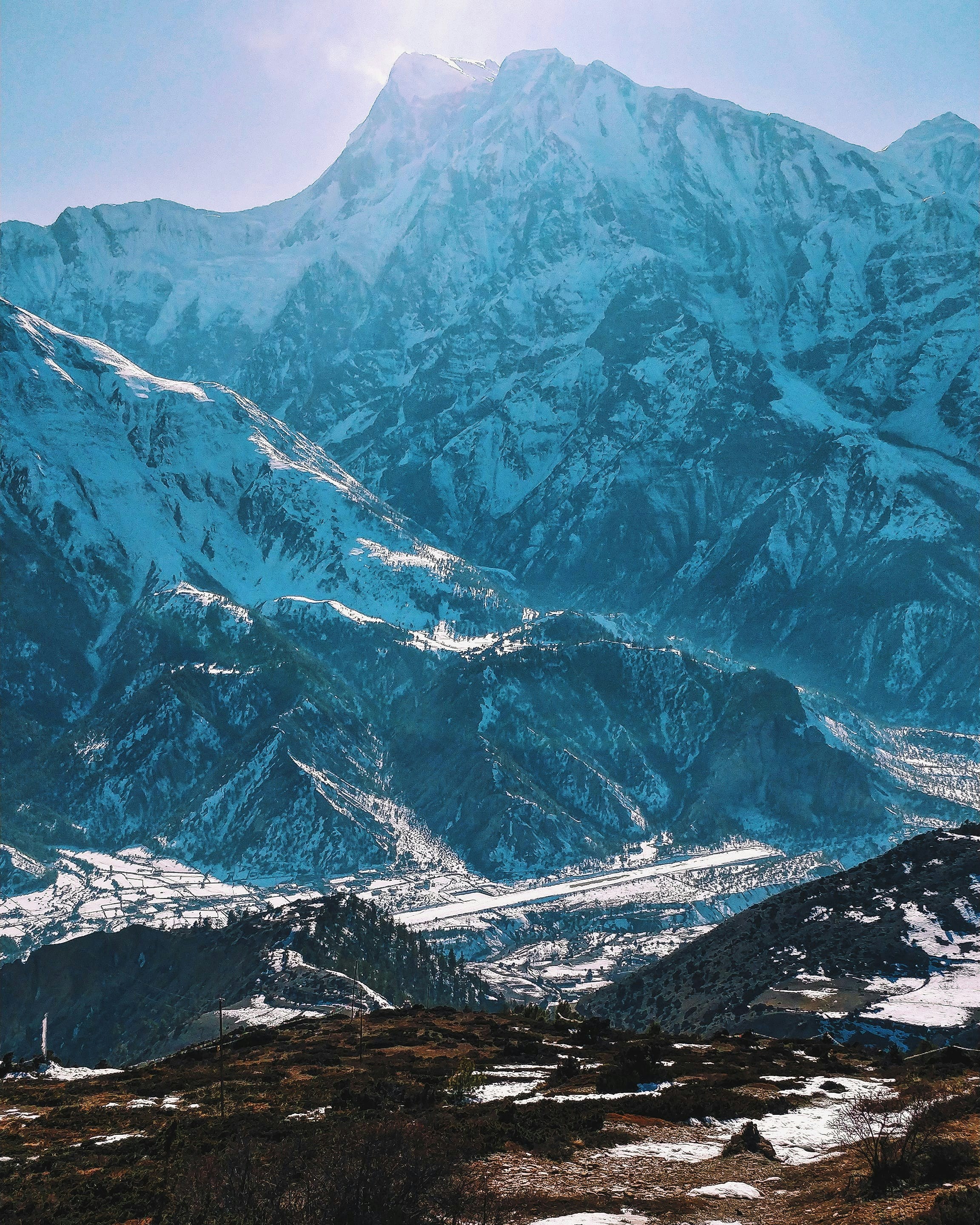
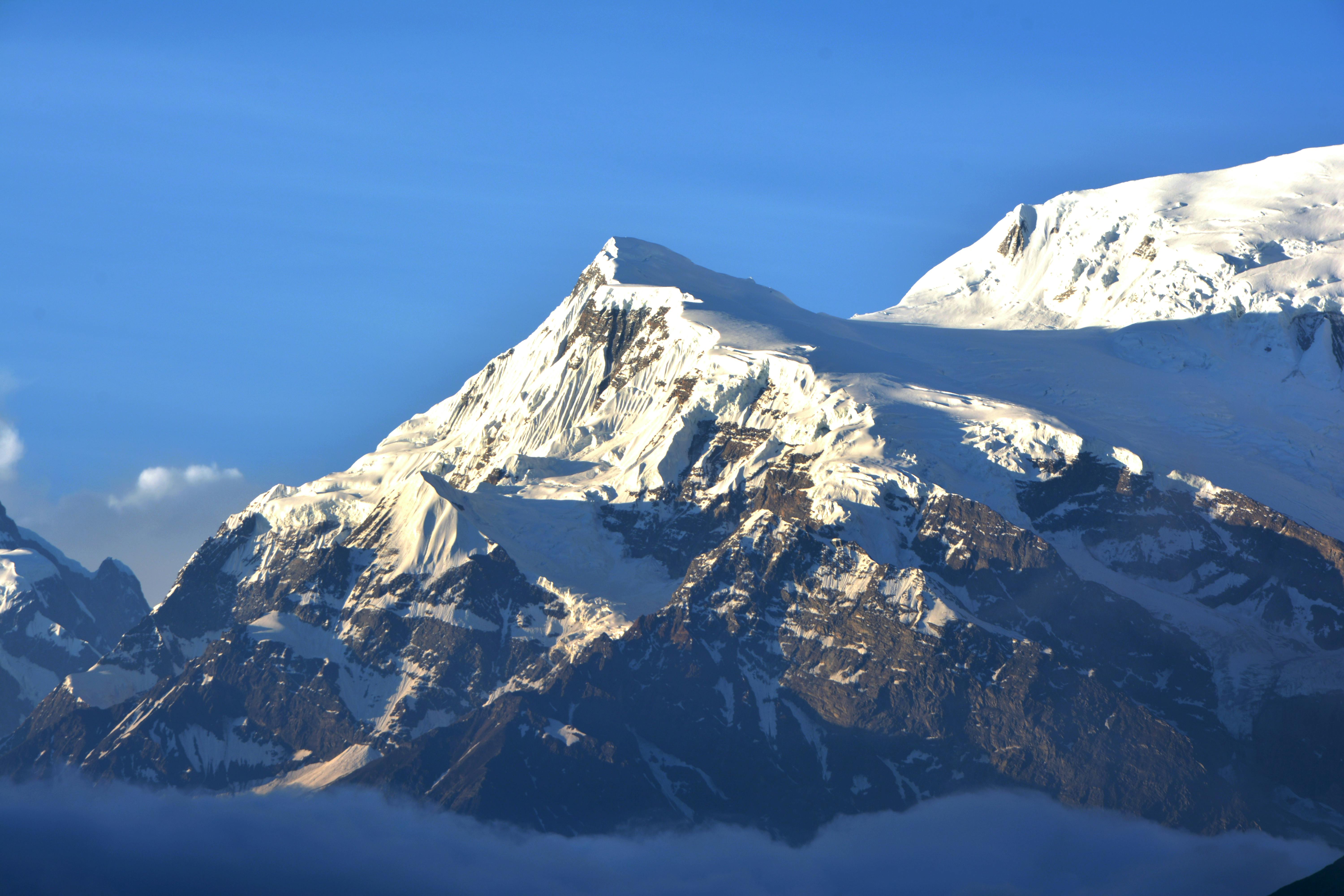
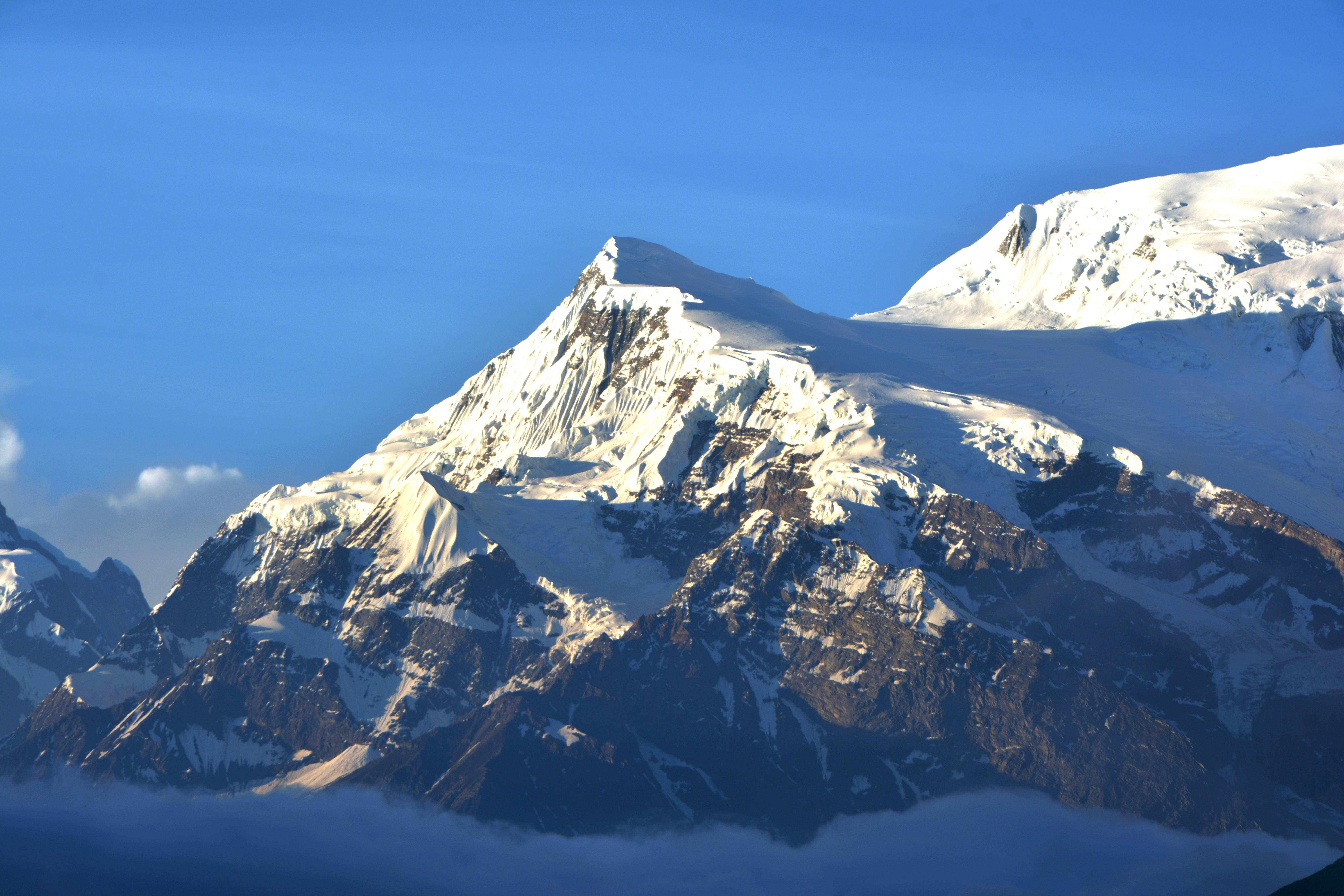
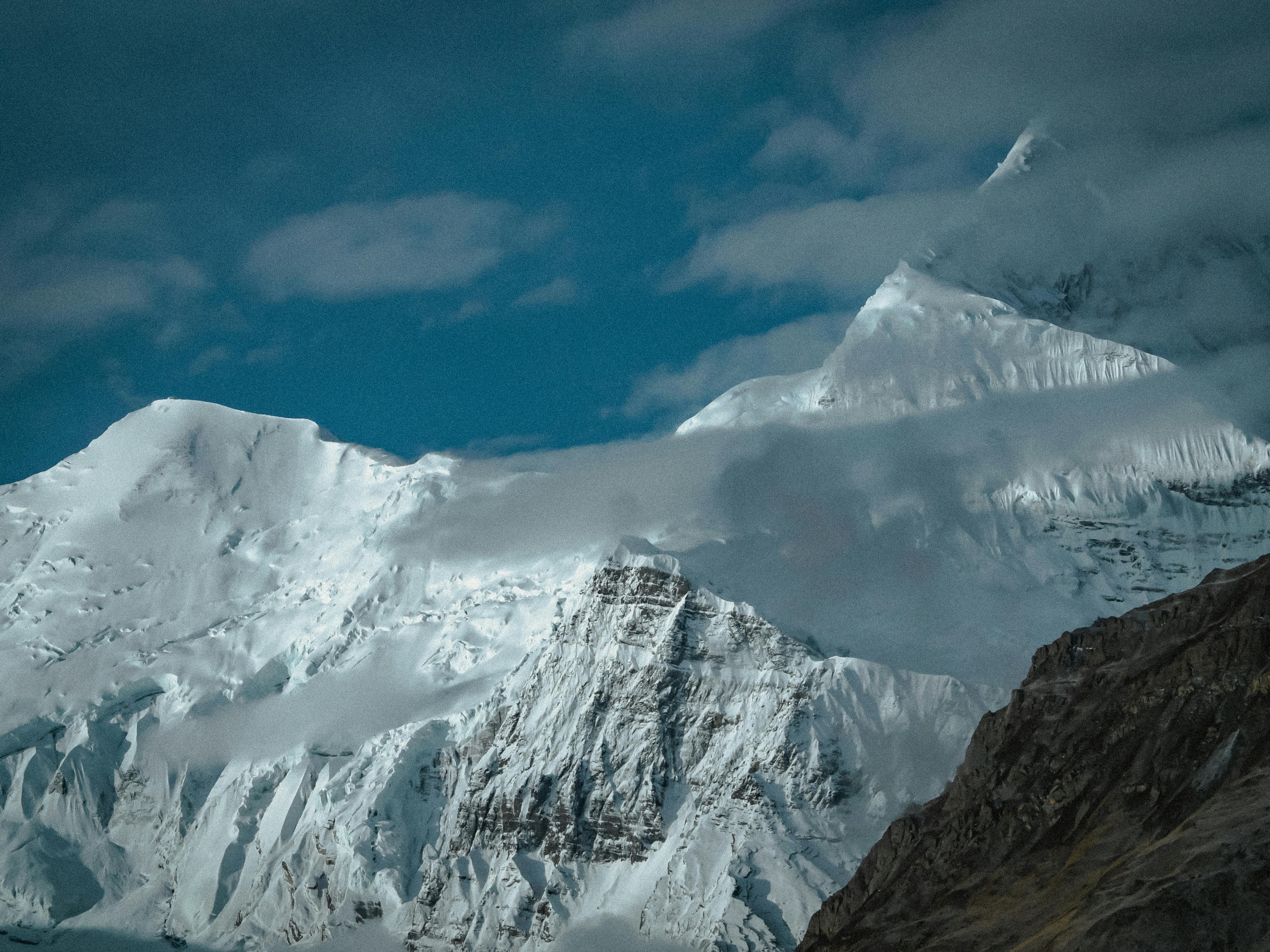
Mera Peak Climbing (6,476m) is the highest trekking peak in Nepal and one of the most rewarding Himalayan adventures for climbers seeking a non-technical yet physically demanding ascent. Located in the remote Hinku Valley of the Everest region, Mera Peak offers an extraordinary journey through untouched wilderness, far from the crowded trails.

Organized by Peaceful Treks, this professionally guided Mera Peak expedition is designed for safety, proper acclimatization, and a high summit success rate. The route takes you through pristine forests, traditional Sherpa settlements, and high alpine landscapes before reaching the glacier and summit.

Our certified climbing guides, experienced in high-altitude expeditions and emergency response, provide essential training in glacier travel, rope techniques, and the use of mountaineering equipment. Although Mera Peak does not require advanced technical skills, the altitude makes it a serious and rewarding challenge.

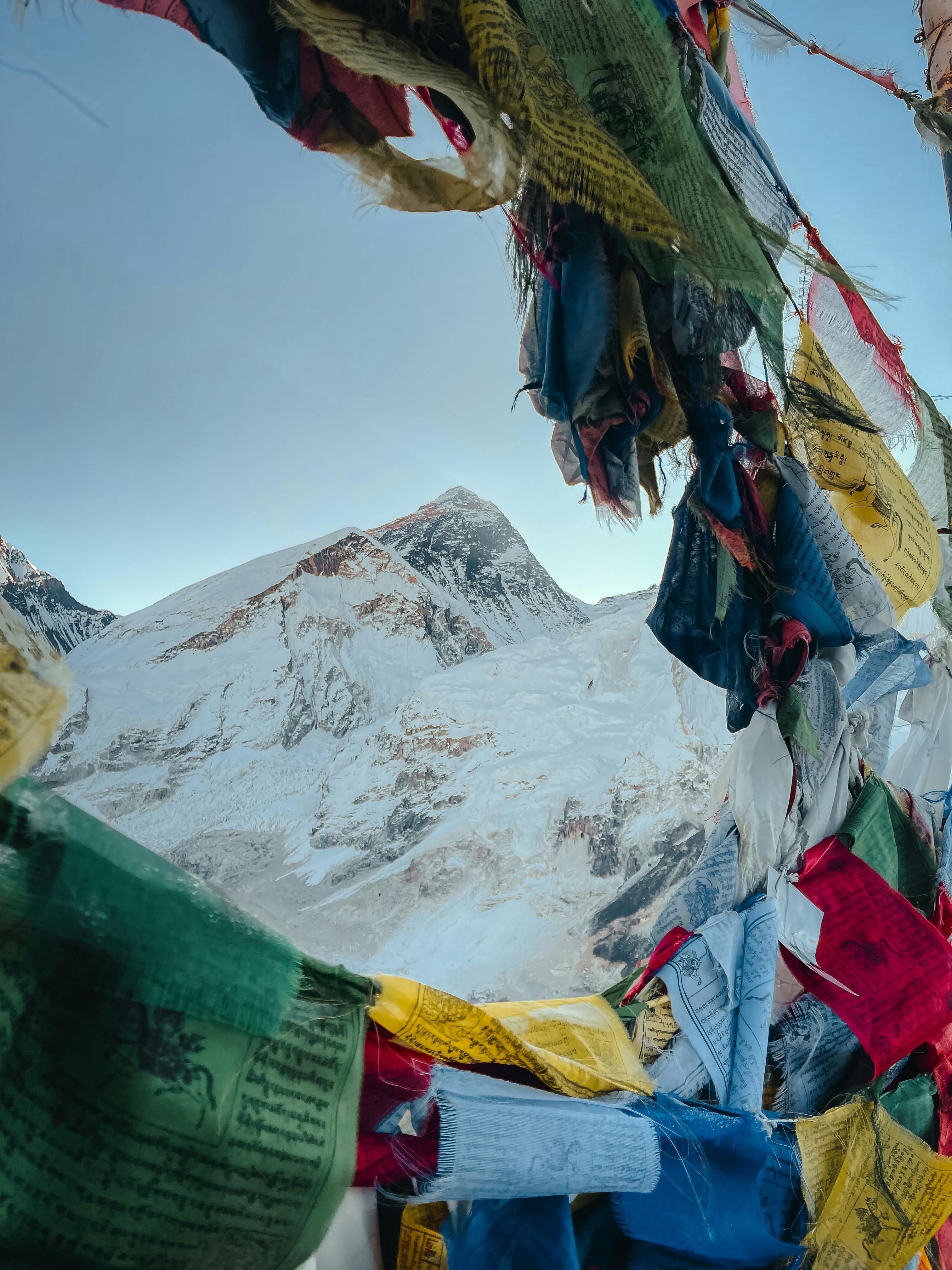
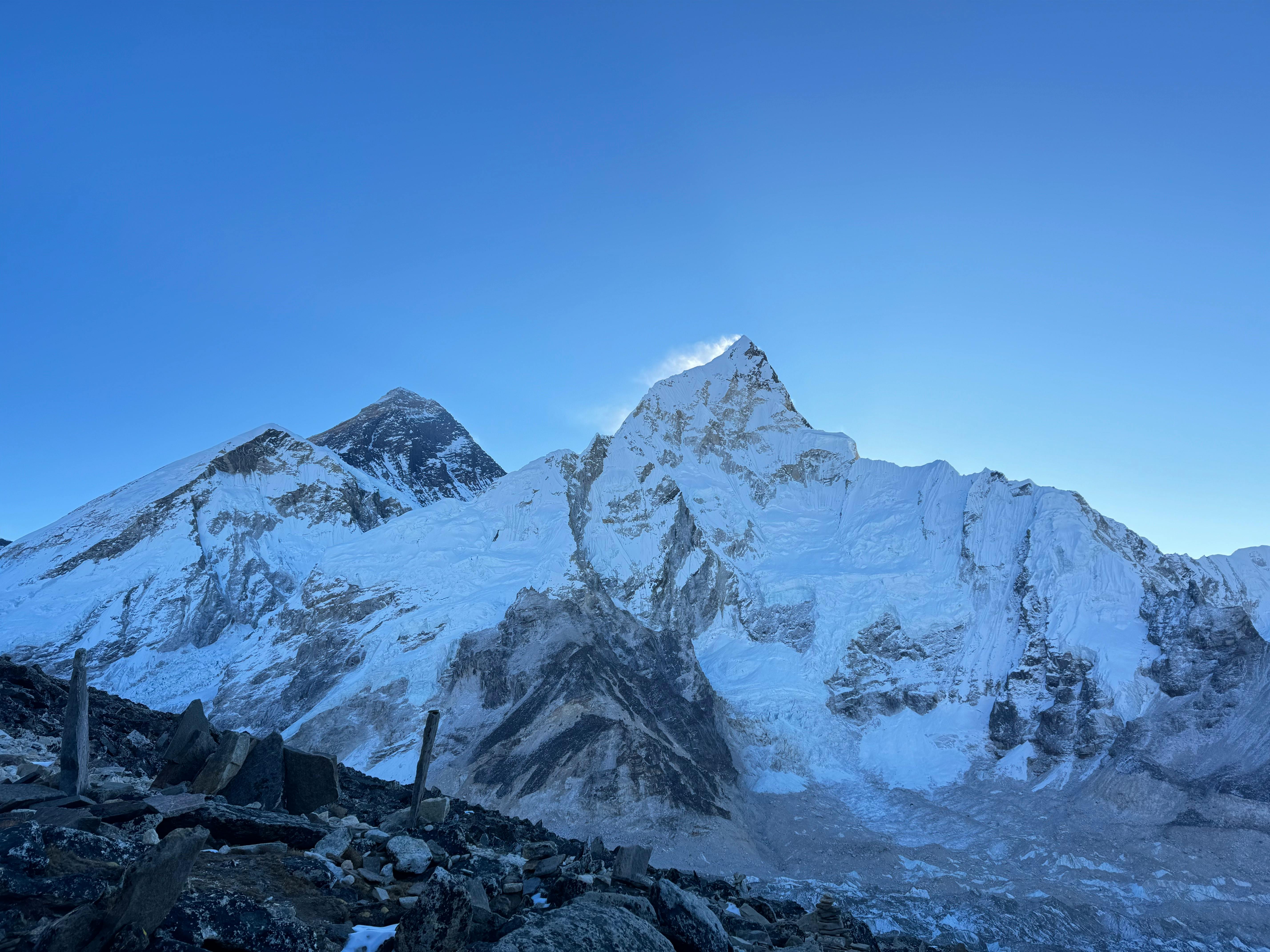
From the summit, climbers are rewarded with one of the most spectacular panoramas in the Himalayas, including five of the world’s highest peaks—Everest, Lhotse, Makalu, Cho Oyu, and Kanchenjunga.

Why Choose Mera Peak Climbing with Peaceful Treks?

Peaceful Treks is a trusted local company with extensive experience in Himalayan expeditions, offering safe and well-organized climbing programs.

  • Highly experienced, NMA-certified climbing guides

  • Excellent summit success rate on Mera Peak

  • Carefully planned acclimatization schedule

  • Small group sizes for personalized support

  • Pre-climb training on glacier travel and rope use

  • Strong logistical support and safety systems

  • Deep local expertise in the Everest region


Best Time for Mera Peak Climbing

Spring and autumn are the best seasons for Mera Peak climbing. These periods provide stable weather, clear skies, and optimal visibility for summit attempts.

Spring offers warmer conditions and blooming landscapes, while autumn provides crisp air and excellent mountain views—ideal for photography and climbing success.


Who Can Climb Mera Peak?

Mera Peak is suitable for beginners with good physical fitness who want to experience high-altitude mountaineering. No advanced technical skills are required, but prior trekking experience is highly recommended.

Climbers should be prepared to walk 5–7 hours daily and handle high-altitude conditions above 6,000 meters.


Start Your Mera Peak Adventure

Mera Peak Climbing with Peaceful Treks is a life-changing Himalayan journey. From remote valleys to standing atop Nepal’s highest trekking peak, this expedition offers both challenge and unmatched reward.

Book your Mera Peak climbing package today and experience the Himalayas with a trusted local expert.


Itinerary

Day
1
Arrival in Kathmandu (1,400m) – Welcome & Expedition Briefing

Upon arrival at Tribhuvan International Airport, you will be greeted by the Peaceful Treks team and transferred to your hotel. After check-in, you can relax or explore the lively streets of Thamel. In the evening, enjoy a traditional Nepali welcome dinner while meeting your climbing guide and fellow climbers. A detailed briefing will cover safety protocols, itinerary, and gear requirements, setting the foundation for a well-prepared expedition.

Overnight: Hotel in Kathmandu

Day
2
Kathmandu Sightseeing, Permits & Gear Preparation

Today combines cultural immersion with expedition preparation. You will visit major UNESCO World Heritage Sites such as Pashupatinath Temple, Boudhanath Stupa, and Swayambhunath. Meanwhile, our team arranges climbing permits and logistics. In the afternoon, you’ll undergo a complete gear check and receive a technical briefing on glacier travel, altitude safety, and climbing techniques.

Overnight: Hotel in Kathmandu

Day
3
Flight to Lukla (2,840m) & Trek to Paiya (2,730m)

An early morning scenic flight to Lukla offers breathtaking views of the Himalayas. After landing, your trek begins on a less crowded trail compared to Everest Base Camp. The route descends through lush forests and traditional Sherpa villages, crossing suspension bridges and enjoying peaceful surroundings.

Trekking Experience: First day adjustment, easy pace
Duration: 5–6 hours
Overnight: Lodge in Paiya

Max Alt: 2730 m
Day
4
Trek to Panggom (2,850m) – Into Remote Himalayan Trails

Today’s trail includes multiple ascents and descents through dense rhododendron and bamboo forests. You will cross small passes and experience authentic rural Himalayan life. The path is quiet and off-the-beaten-track, giving a true wilderness trekking experience.

What You’ll Experience: Remote villages, forest trekking, cultural encounters
Duration: 5–6 hours
Overnight: Lodge in Panggom

Max Alt: 2850 m
Day
5
Trek to Ningsow (2,860m) – Ridge Walk & Forest Trails

The trail climbs steadily to a ridge with beautiful views before descending into thick forests. This section is rich in biodiversity, and you may encounter Himalayan wildlife such as pheasants or mountain goats. The peaceful environment helps you gradually adapt to trekking conditions.

Focus: Gradual altitude gain, endurance building
Duration: 5–6 hours
Overnight: Lodge in Ningsow

Max Alt: 2860 m
Day
6
Trek to Chhatra Khola (3,120m) – Entering the Hinku Valley

Today involves both descending and ascending trails through forested terrain. As you move deeper into the Hinku Valley, the environment becomes more isolated and pristine. Crossing streams and walking through untouched landscapes, you’ll truly feel immersed in the Himalayas.

Highlight: Transition into remote alpine region
Duration: 6–7 hours
Overnight: Lodge

Max Alt: 3120 m
Day
7
Trek to Kothe (3,600m) – Along the Hinku River

Following the Hinku River, today’s trek offers a gradual ascent with stunning views of surrounding peaks. The forest begins to thin, revealing more open landscapes and mountain scenery. The trail is serene, allowing you to enjoy the raw beauty of nature.

What You’ll Do: Steady trekking, photography, altitude adaptation
Duration: 5–6 hours
Overnight: Lodge in Kothe

Max Alt: 3600 m
Day
8
Trek to Thaknak (4,350m) – High Alpine Terrain

As altitude increases, the environment becomes more rugged and glacial. You’ll pass yak pastures and small seasonal settlements. The views of Mera Peak and surrounding mountains become more prominent.

Focus: Acclimatization and slow pace trekking
Duration: 4–5 hours
Overnight: Lodge

Max Alt: 4350 m
Day
9
Trek to Khare (5,045m) – Base for Climbing Phase

Today’s trek brings you to Khare, the main base for Mera Peak climbing. The trail is gradual but requires steady effort due to altitude. Upon arrival, you can rest and hydrate while enjoying views of Mera Peak’s summit ridge.

Activity: Rest, hydration, preparation
Duration: 4–5 hours
Overnight: Lodge in Khare

Max Alt: 5045 m
Day
10
Acclimatization & Technical Training Day

This is a crucial day for both acclimatization and skill-building. Under the guidance of expert climbing guides, you will practice:

  • Using crampons and ice axe

  • Walking on snow and ice

  • Rope techniques (ascending/descending with Jumar)

  • Glacier safety basics

This hands-on training ensures confidence and safety during the summit push.

Overnight: Lodge in Khare

Max Alt: 5045 m
Day
11
Trek to Mera High Camp (5,780m) – Glacier Approach

Today marks the beginning of the climbing phase. You will trek across the Mera Glacier using crampons and rope where necessary. The climb to High Camp is gradual but physically demanding due to altitude.

At High Camp, enjoy one of the most spectacular Himalayan panoramas including Everest, Lhotse, Makalu, and Cho Oyu.

What You’ll Experience: Glacier travel, high-altitude exposure
Duration: 5–7 hours
Overnight: Tented Camp

Max Alt: 5780 m
Day
12
Summit Mera Peak (6,476m) & Return to Khare – The Ultimate Achievement

Summit day begins very early (around 2–3 AM). Equipped with headlamps, you will ascend gradually on snow slopes. The climb is non-technical but long and physically demanding due to extreme altitude.

The final section involves a steeper climb with fixed ropes. Upon reaching the summit, you’ll witness one of the best panoramic views in the Himalayas—five 8000m peaks visible in a single horizon.

After celebrating your success, descend carefully back to High Camp and continue down to Khare.

Climbing Duration: 8–12 hours
Overnight: Lodge in Khare

Max Alt: 6476 m
Day
13
Reserve Day – Weather & Safety Buffer

This extra day ensures flexibility in case of bad weather or delays. It significantly increases the success rate and safety of the expedition.

Overnight: Lodge

Day
14
Trek to Kothe – Descent Begins

After the summit, you descend through familiar trails. The lower altitude brings more oxygen, making trekking easier and more comfortable.

Focus: Recovery and relaxation
Duration: 5–6 hours
Overnight: Lodge

Day
15
Trek to Thuli Kharka – Climb Back to Ridge

Today involves a steady climb through forests and ridges. The trail offers beautiful views and a different perspective of the region.

Duration: 5–6 hours
Overnight: Lodge

Day
16
Trek to Lukla via Zatrwa La Pass (4,600m)

Cross the Zatrwa La Pass early in the morning for stunning sunrise views over the Himalayas. After reaching the pass, descend steeply back to Lukla.

Highlight: Final mountain views and trek completion
Duration: 6–7 hours
Overnight: Lodge in Lukla

Max Alt: 4600
Day
17
Flight to Kathmandu – Return from the Himalayas

Take an early morning flight back to Kathmandu. After transfer to your hotel, you can relax, celebrate your success, or explore the city.

Overnight: Hotel

Day
18
Final Departure

Our team will transfer you to the airport for your departure. You leave Nepal with unforgettable memories and a successful Mera Peak summit.

Map Route

Mera Peak Climbing

Included

  • Airport pickup and drop-off in Kathmandu
  • Domestic flights (Kathmandu–Lukla–Kathmandu)
  • Teahouse accommodation during trekking
  • Tented accommodation during climbing phase
  • All meals during trek and climb
  • English-speaking trekking guide & climbing guide
  • Mera Peak climbing permit and all government fees
  • Makalu Barun National Park entry permit
  • TIMS card
  • Porters (1 porter for 2 climbers)
  • Group climbing gear (ropes, ice screws, anchors)
  • First aid kit and emergency support
  • Staff insurance (guides and porters)

Excluded

  • International airfare
  • Nepal visa fees
  • Personal travel insurance (mandatory)
  • Personal climbing gear
  • Extra nights in Kathmandu
  • Drinks and personal snacks
  • Hot showers, Wi-Fi, and charging during trek
  • Tips for guides and porters
  • Personal expenses and unforeseen costs

Gear List

    • Base layers (thermal tops & bottoms)
    • Fleece/down jacket
    • Waterproof jacket & pants
    • Heavy down jacket (summit)
    • Gloves (inner & insulated)
    • Warm hat, balaclava
    • UV sunglasses & goggles
    • Mountaineering boots (crampon compatible)
    • Trekking boots
    • Gaiters
    • Warm socks
    • Harness
    • Helmet
    • Crampons
    • Ice axe
    • Ascender (Jumar)
    • Descender (ATC/Figure 8)
    • Carabiners
    • Sleeping bag (-20°C recommended)
    • Headlamp
    • Trekking poles
    • Backpack & duffel bag
    • Water bottles
    • Personal medications
    • Sunscreen and lip balm
Welcome to the Beta Version of Peaceful Himalaya Treks

We're still working on some features, so check back soon for updates. Thank you for your patience!